



JDM culture has its untouchables. Every enthusiast knows them by heart, as these are the cars that dominate YouTube thumbnails, auction listings, and teenagers’ bedroom walls. While icons such as the Supra, Skyline GT-R, RX-7, NSX, Evo, and WRX stole the show, there’s also an entire world of Japanese legends that never got their moment in the spotlight — cars that were brilliant, fast, tunable, overengineered, and criminally overlooked.
Some were Japan-only, others were overshadowed by their more famous siblings, there were those with styling that confused people, and the ones that simply got buried under the weight of the JDM heroes. This list celebrates the cars that should be talked about but rarely are, the underrated JDM machines with real performance credibility, reliable engines, strong aftermarket potential, and that special kind of character only Japanese engineering can deliver.
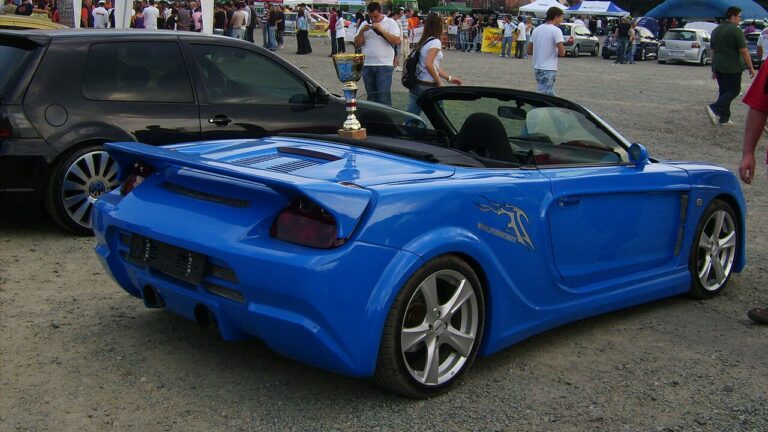
Toyota Mark X (GRX130 / GRX133)
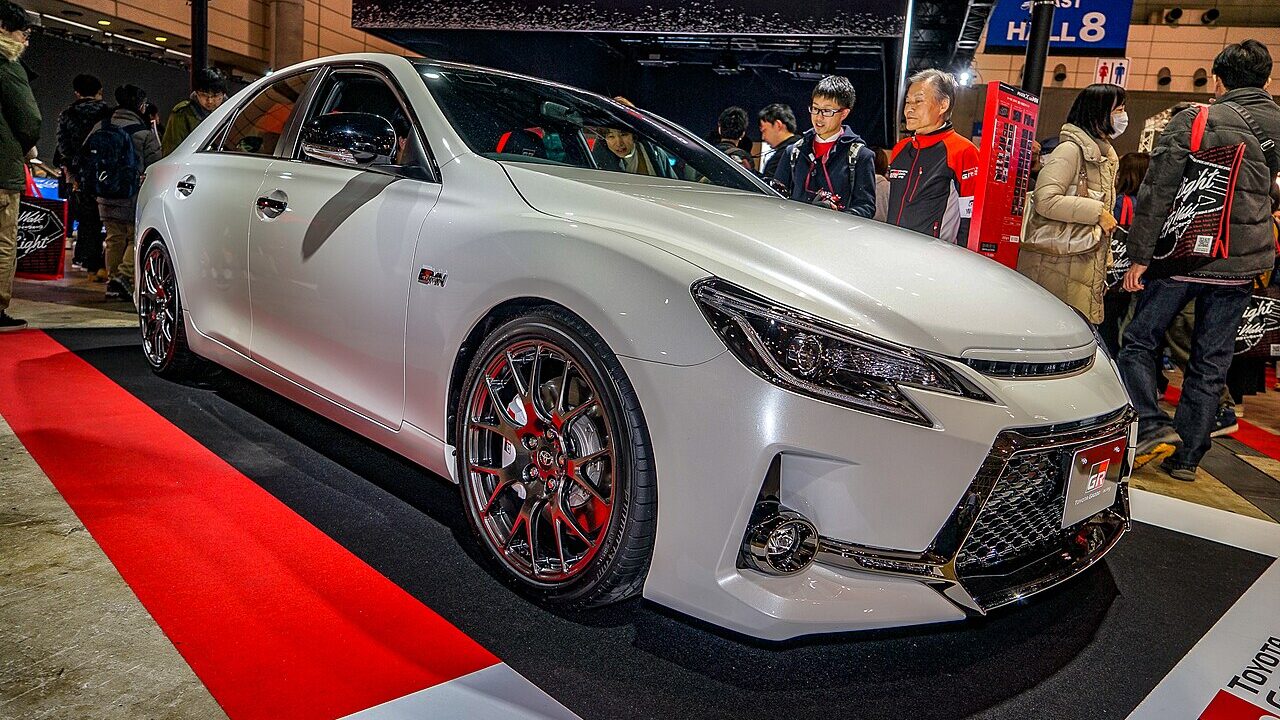
If the Toyota Mark X had been sold worldwide, it would be a household name. Instead, it remained a Japan-only sleeper sedan — which is why hardly anyone outside Japan realizes what a gem this car really is. Under that handsome, understated exterior sits either a 2.5L 4GR-FSE or Toyota’s legendary 3.5L 2GR-FSE V6. Both engines are buttery smooth, but the 2GR is the real star.
With 318 hp, rear-wheel drive, and rock-solid reliability, the standard Mark X already sounds like a recipe for greatness, but Toyota also built a unicorn version: the Mark X GRMN, a limited-edition, track-tuned variant with a manual transmission, upgraded suspension, lightweight parts (including a CFRP roof), and serious attitude. It’s one of the rarest modern Toyotas ever built. The Mark X is basically Japan’s answer to the BMW 3 Series, only more reliable, making it a seriously underrated modern JDM hero that deserves far more attention than it gets.
Mitsubishi Galant VR-4
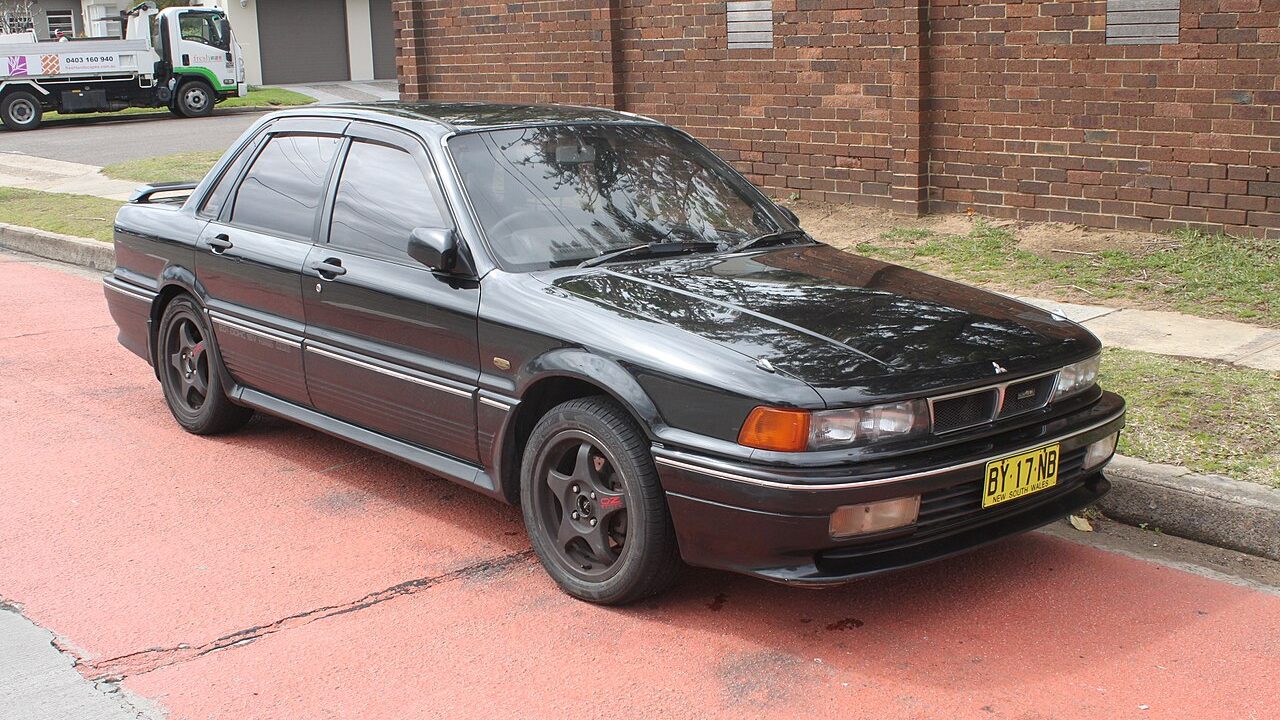
Before the Lancer Evolution became Mitsubishi’s flagship rally monster, the Galant VR-4 carried the brand’s WRC hopes. This was essentially the pre-Evo Evo, as early models were powered by the same 4G63 turbo engine, equipped with AWD, and fitted with four-wheel steering in some trims. It was way ahead of its time. Later Lancer VR-4 generations used a 2.5L V6 6A13TT twin-turbo engine.
With 240–260 hp (depending on generation) and rally-bred engineering, the Galant VR-4 is an absolute blast to drive. It handles incredibly well for a sedan from the early ’90s and feels like a grown-up, more mature version of what the Evo later became. The problem? It was overshadowed the moment the Lancer Evolution showed up. Today, the Galant VR-4 remains a bargain performance sedan and one of the most unfairly forgotten JDM legends ever built.
Toyota Caldina GT-T / GT-Four (ST215 / ST246)
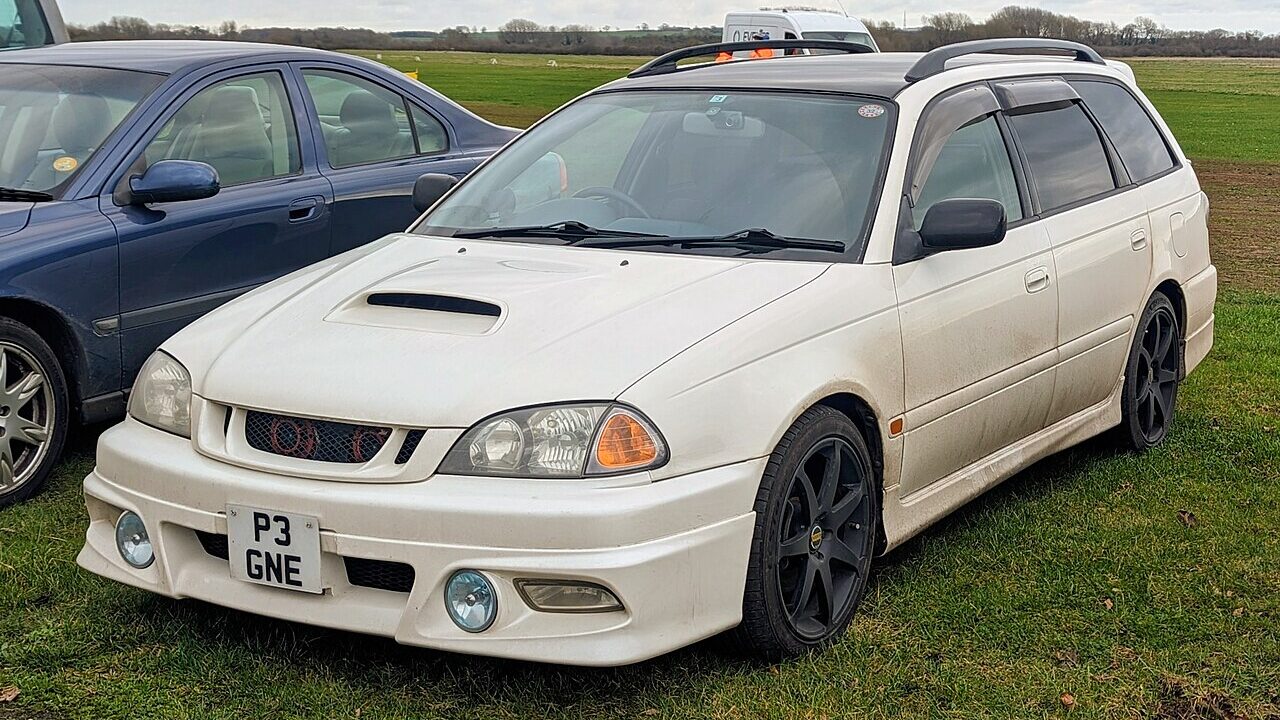
If you’ve ever wished the Celica GT-Four came in wagon form, you’ll be happy to learn that Toyota actually built exactly that… and practically nobody outside Japan noticed. The Caldina GT-T / GT-Four is a practical, aggressive-looking, all-wheel-drive turbo wagon powered by the same 3S-GTE engine found in the ST205 Celica GT-Four, producing around 260 hp.
It’s a family sleeper that can embarrass sports cars on back roads, carry your groceries, and rip up dirt roads without flinching. The Caldina GT models might be the most underrated Toyota performance cars ever. A turbo 3S-GTE wagon that handles, accelerates, and sounds the part? That’s peak JDM cool, and it still flies completely under the radar.
Subaru Legacy GT-B / Legacy Spec B
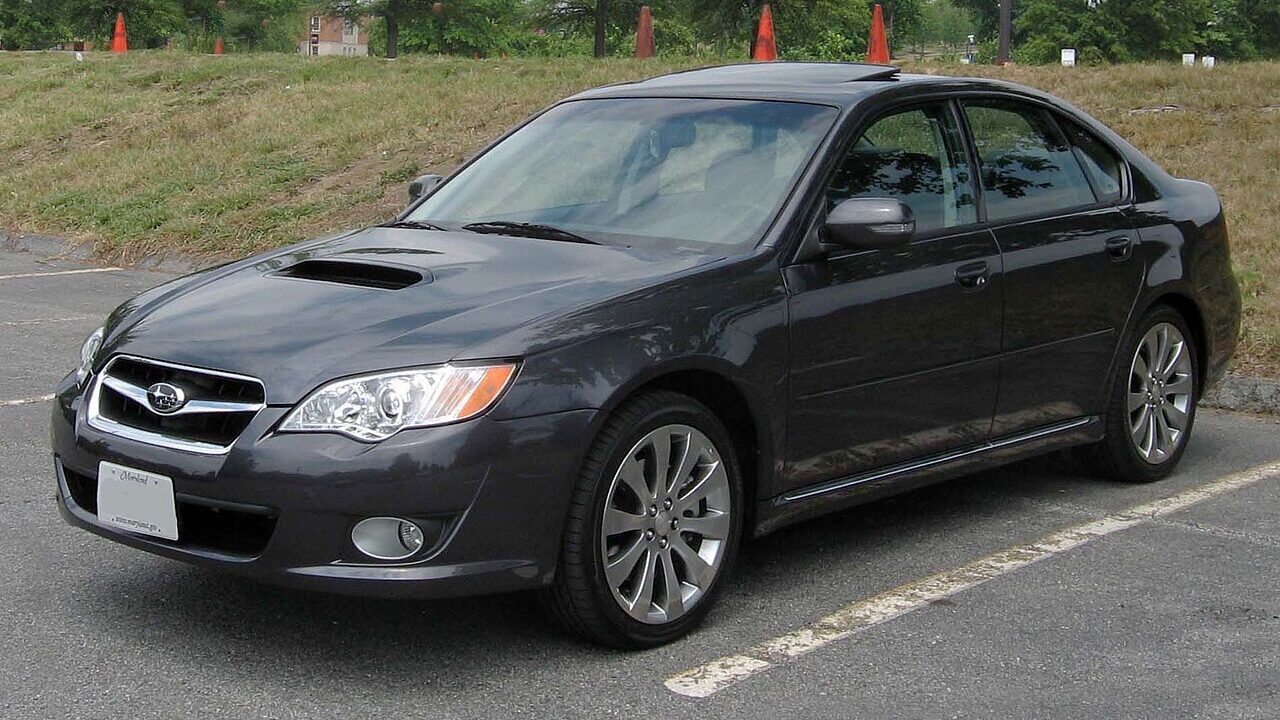
Subaru’s Legacy GT-B and Spec B models are the forgotten siblings of the WRX and STI family. They have everything people love about Subaru performance, such as boxer engines, AWD traction, and turbo power, just wrapped in a grown-up sedan or wagon shell.
The GT-B came with a twin-turbo EJ20, delivering around 276 hp, and the Spec B offered a more refined, high-grip driving experience with Bilstein suspension and improved handling. These cars are fast, capable, and massively underrated. They offer WRX performance in a package you can daily without looking like you’re on your way to a car meet. If you want a quick wagon or a mature JDM sleeper sedan, the Legacy GT-B is one of the best-kept secrets from Japan.
Toyota Crown Athlete / Crown Royal
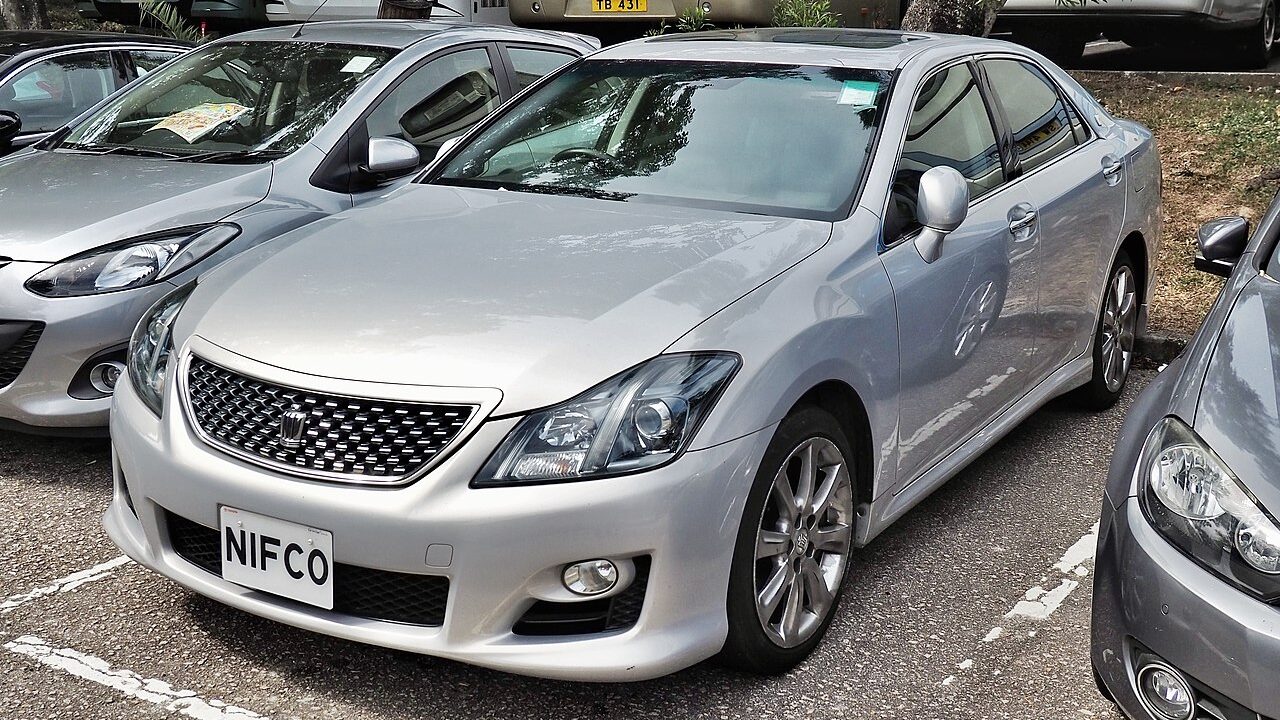
The Toyota Crown is one of Japan’s best-selling luxury sedans, but outside the Land of the Rising Sun, it’s shockingly overlooked. That’s a shame, because the Crown Athlete, especially the S180 and S200 series, is among the best luxury–performance sedans Japan has ever produced.
Some Crowns came with the 1JZ-GTE, others with the bulletproof 2JZ-GE, and later models featured the 3.5L 2GR-FSE V6. They are smooth, powerful, reliable, and built like Swiss bank vaults. The Crown Athlete looks sporty, drives brilliantly, and makes for an amazing VIP build platform. Meanwhile, the Crown Royal is more comfort-focused but still packs the same refined powertrains that made Toyota famous. If you want Japanese Lexus-tier luxury with more character and a true JDM pedigree, the Crown is the one to buy.
Honda Accord Euro R (CL1 / CL7)
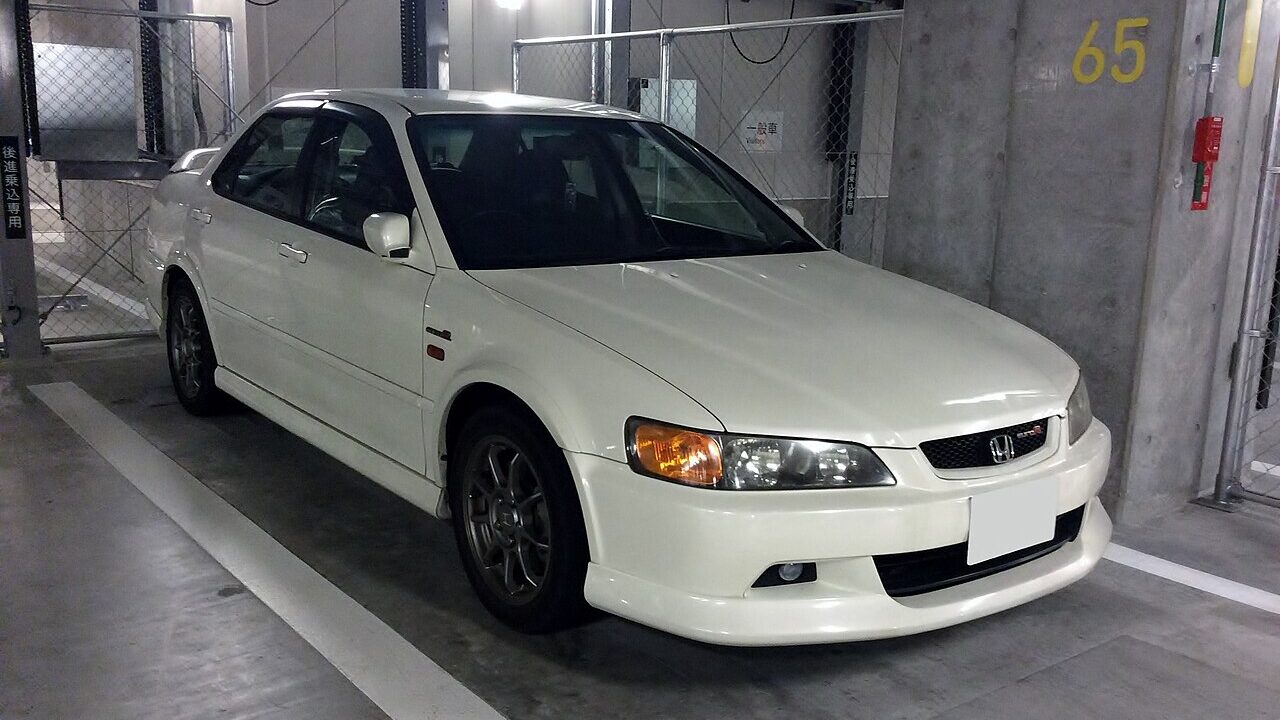
In the late 1990s and early 2000s, Europe got an Accord Type R. Weirdly, for reasons no one can explain (probably) Japan got the Euro R, which used the same formula: a high-revving, sharp-handling, performance-oriented sedan that feels more like a four-door sports car than a family car.
The CL1 Euro R is the most desirable version, and it was packing the H22A with 220 hp, while the later CL7 version came with the legendary K20A, producing 217 hp and revving to 8,000 rpm. These cars love to scream. Whichever Euro R you opt for, you get a car that’s light, nimble, beautifully balanced, and one of the finest FWD performance sedans ever made. And yet, because it wasn’t called a “Type R,” most of the world ignores it. This is also why it doesn’t have the red Honda badges usually bestowed upon Type R models, because it’s a Euro R, not a Type R. If you love VTEC and want a manual sedan that feels like a hidden gem, the Euro R is the perfect choice.
Honda Torneo Euro R (CL1)
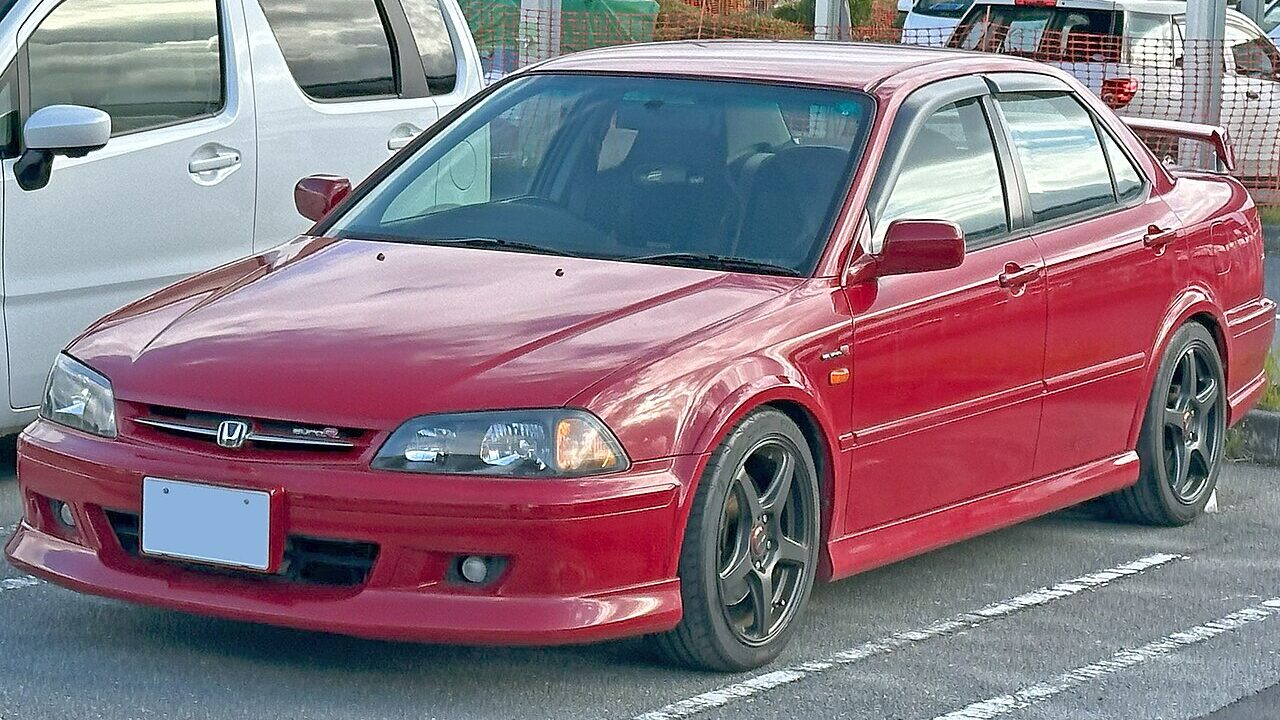
What’s that? The regular Accord Euro R isn’t obscure enough for you? Well, luckily, Honda also built the Torneo Euro R, a lighter, sharper, more focused version of the CL1 platform. It used the same H22A engine with 220 hp, raspy VTEC crossover, and a tight 5-speed manual gearbox.
The Torneo is basically the Accord Euro R’s forgotten twin, overlooked simply because almost nobody outside Japan knows what a “Torneo” is. Despite that, it handles brilliantly, revs to the moon, and might be the best value VTEC performance sedan you can buy today. It’s one of the best sleepers Honda ever made.
Nissan Stagea 260RS (WGNC34)
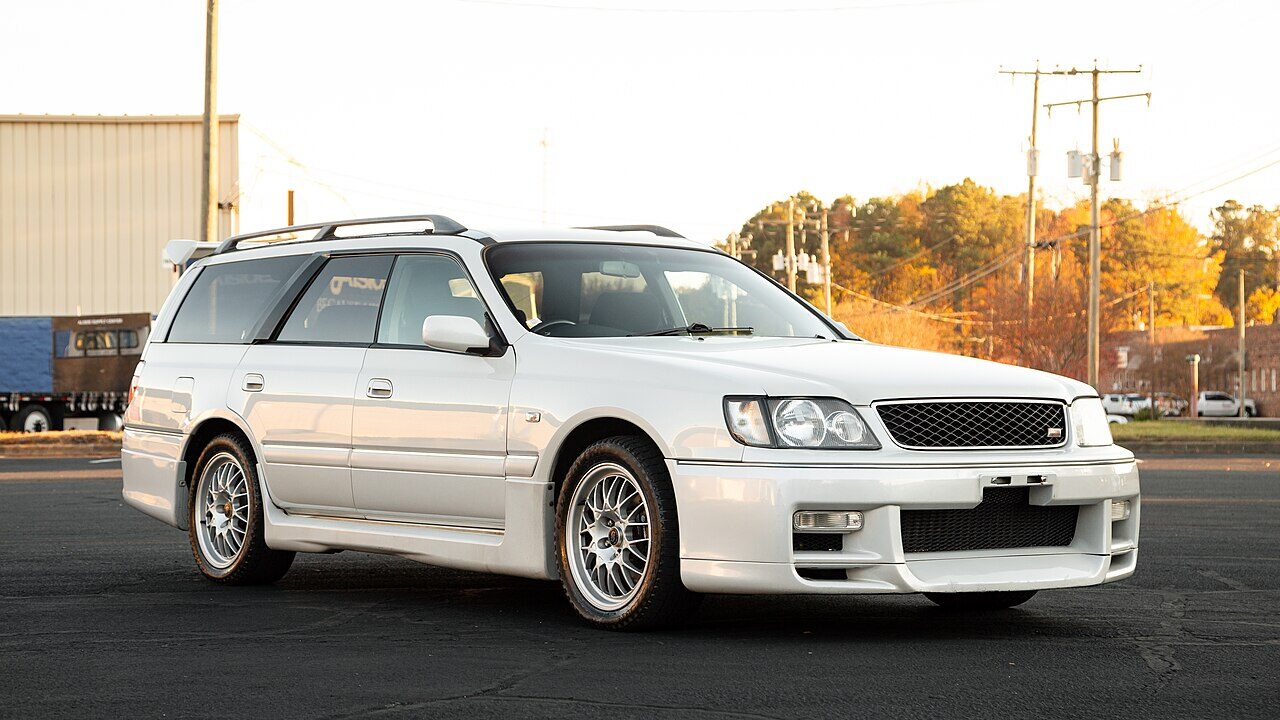
The Nissan Stagea 260RS is one of the coolest sleeper wagons ever built, and somehow still underrated. That’s wild when you realize that this is actually an R34 GT-R drivetrain stuffed into a wagon. Built by Autech, the 260RS uses the legendary RB26DETT engine, ATTESA AWD system, and even shares suspension components with the GT-R. It’s basically the GT-R’s long-roof cousin that can haul your entire family and the dog at supercar speeds.
With 276 hp (underrated, as always), AWD grip, and RB soundtrack (very different from an R&B soundtrack), the Stagea 260 RS is everything enthusiasts love about classic Nissan engineering, just in wagon form, and for wagon fans and JDM collectors, the 260RS is peak sleeper territory.
Nissan Gloria / Cedric (Y34)
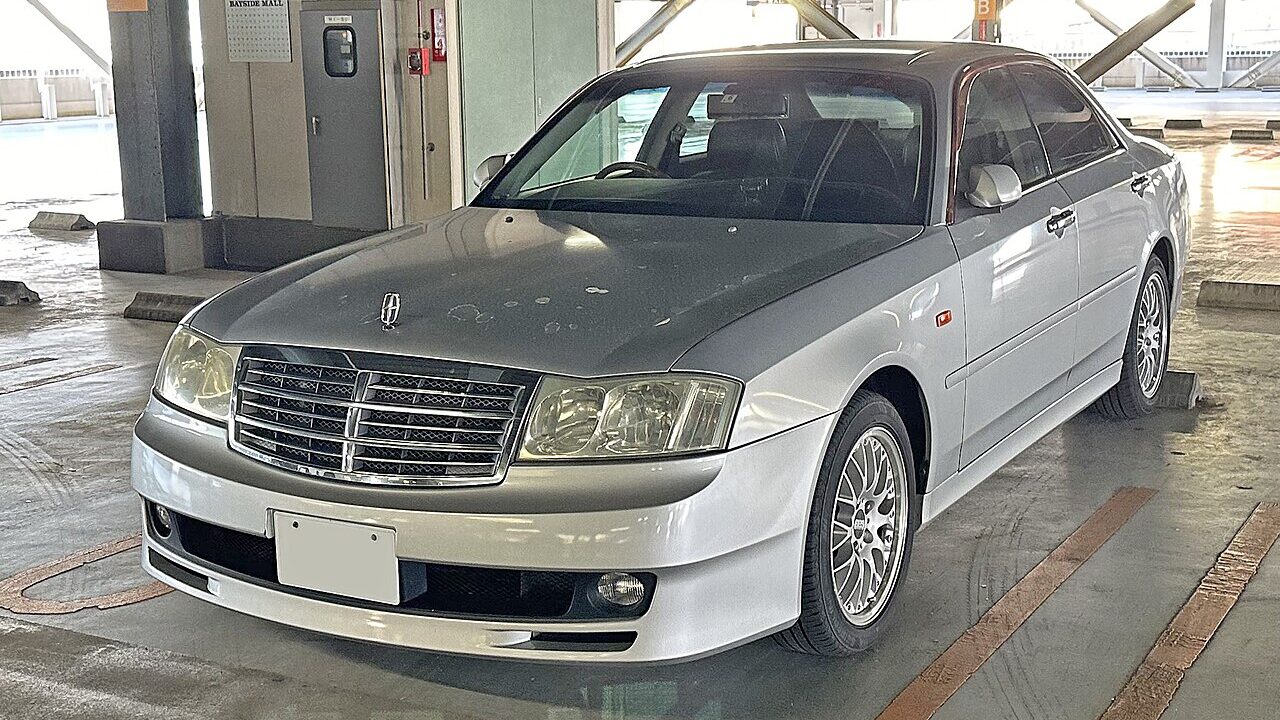
The Nissan Gloria and Cedric Y34 twins don’t get much attention, but these luxury sedans pack serious heat. Some came with the VQ30DET, a turbocharged V6 good for 260+ hp, while others featured RB-series engines.
These cars were often associated with Japan’s underworld (they were favorites of certain organizations), but that only adds to the cool factor today. They ride beautifully, pull hard, and look tough in VIP trim. For enthusiasts who want a stylish, powerful JDM sedan with serious sleeper vibes, the Y34 Gloria/Cedric is one of the best-kept secrets.
Mitsubishi FTO GP Version R
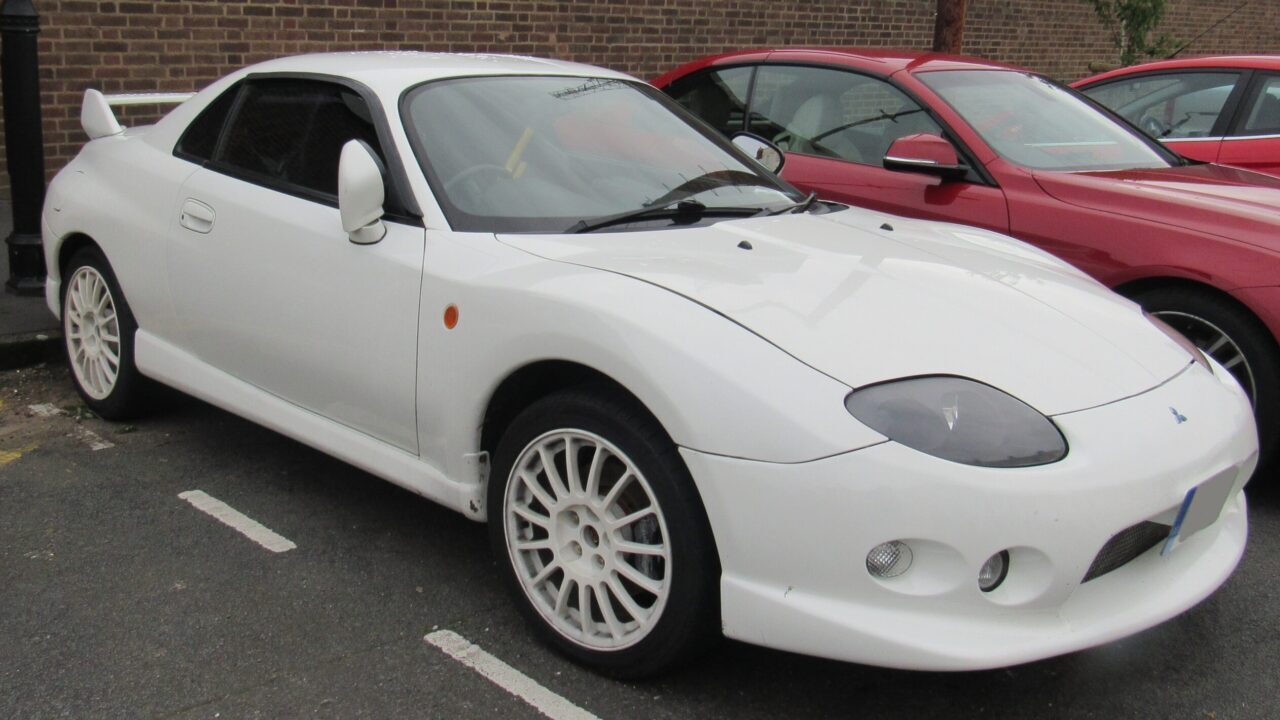
The Mitsubishi FTO is rarely mentioned in JDM discussions, and that’s a shame. Lightweight, compact, and surprisingly punchy, the FTO GP Version R packed the high-revving 6A12 MIVEC V6, producing up to 200 hp in a chassis weighing under 1,200 kg.
It handles beautifully, sounds unique, and offers an engaging driving experience that rivals the Honda Integra and Toyota Celica, yet it costs far less. However, Mitsubishi never exported it widely, and it never enjoyed the fame of the Lancer Evolution. Today, the FTO GP Version R is a superb budget JDM sports coupe that deserves far more respect than it gets.
Mazdaspeed 6 / Atenza MPS
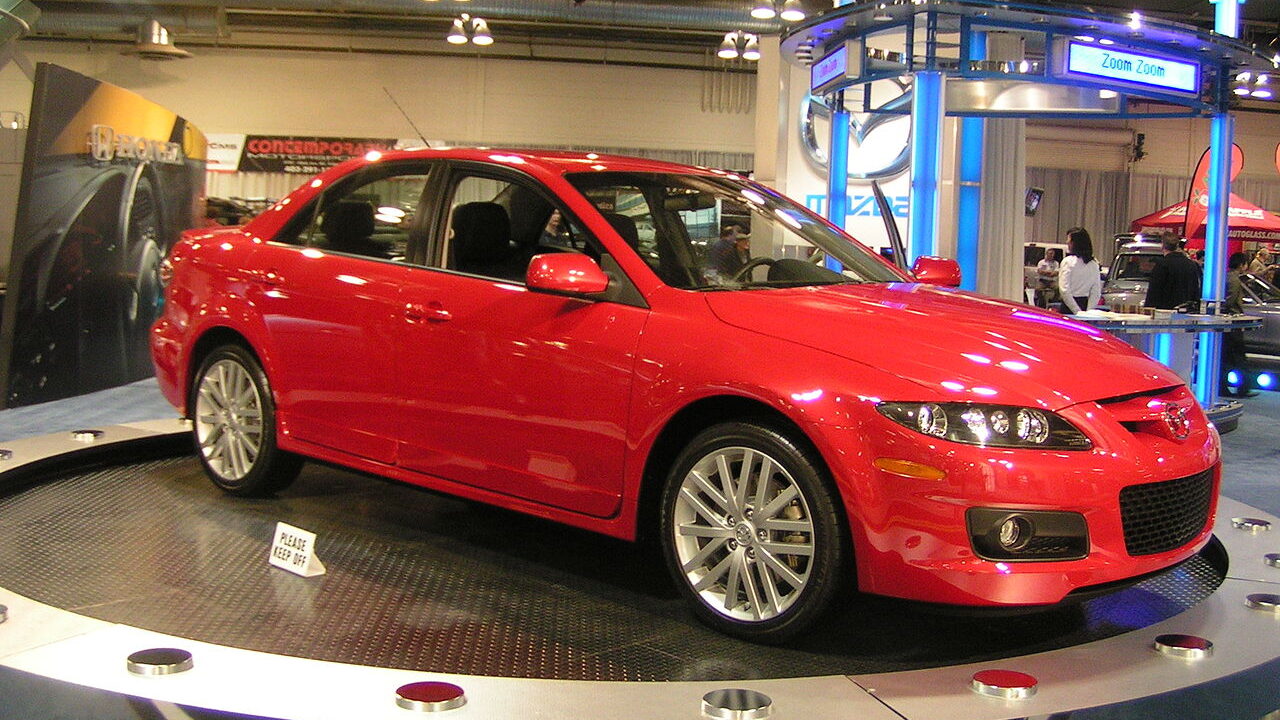
Before Mazda went full zoom-zoom, they built one of the best AWD turbo sleeper sedans of the 2000s: the Mazdaspeed 6, also known as the Atenza MPS in Japan.
With 274 hp, AWD, beefy midrange torque, and surprisingly sharp handling, the Mazdaspeed 6 combines practicality with real performance. It’s quick, capable in all weather, and massively underrated in the JDM and turbo AWD scenes. If you want something that can keep up with WRXs and Evos without attracting attention, this is the car.
Toyota Verossa
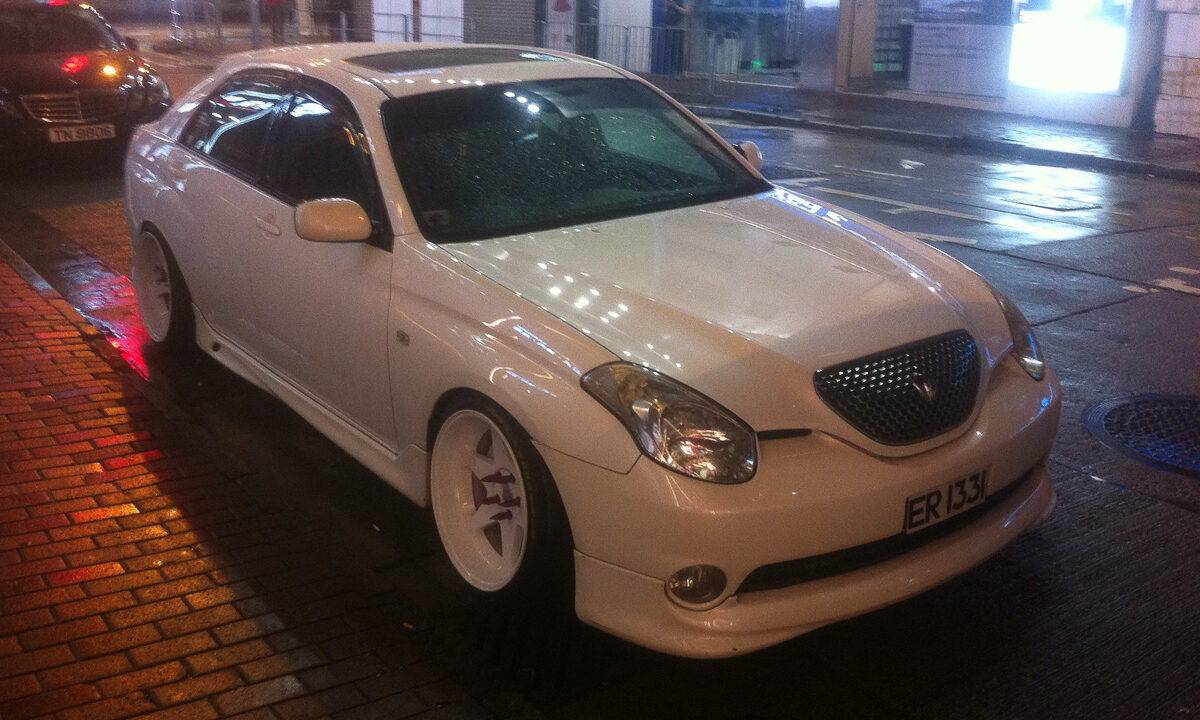
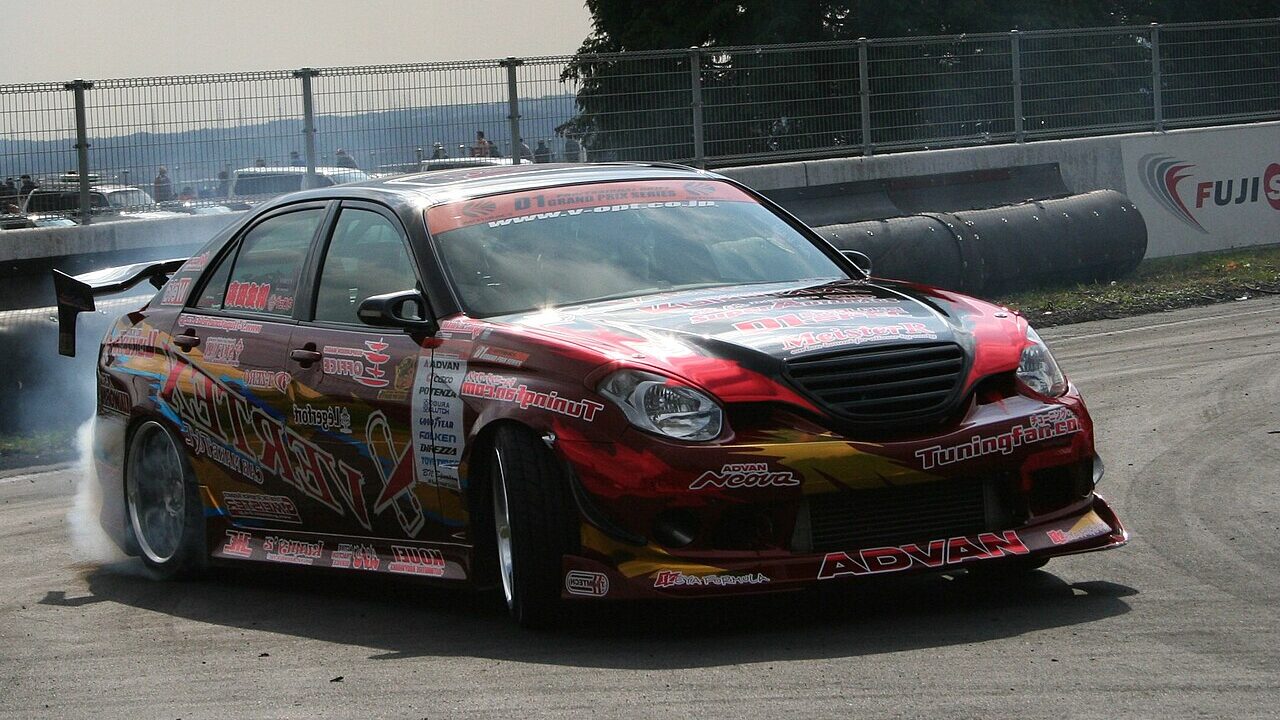
The Toyota Verossa is one of the strangest-looking sedans Toyota ever built, and that’s exactly why it remains so underrated. Under the oddball styling lies serious JZX DNA. The Verossa VR25 packed the 1JZ-GTE turbo engine with 276 hp and RWD.
It’s essentially a modernized, luxurious JZX100 Chaser hiding under controversial sheet metal. The driving experience is fantastic, the engine is legendary, and with the right wheels and suspension, the weird looks start to make sense. The Verossa is a misunderstood masterpiece and one of the best sleeper sedans Toyota ever built.
Nissan Skyline V35 / Infiniti G35
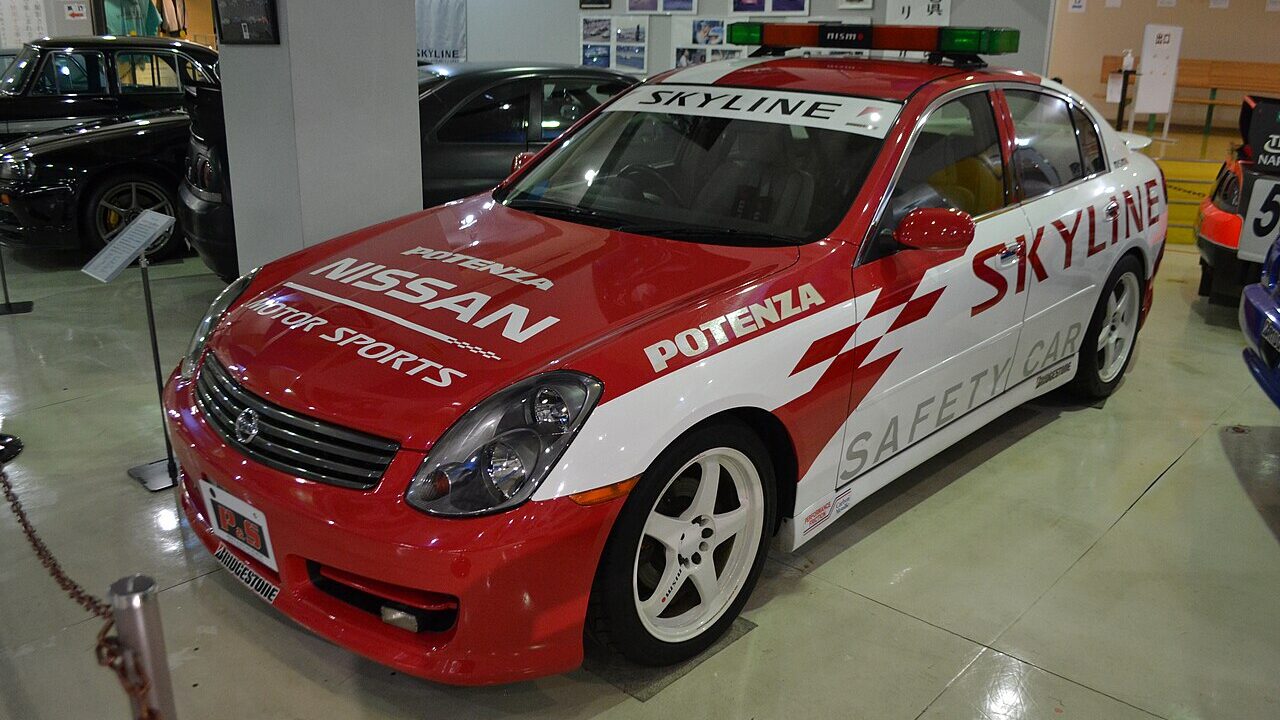
The V35 Skyline, sold overseas as the Infiniti G35, is the most overlooked Skyline ever made. It had the misfortune of arriving right after the R34 GT-R and ditching the RB engines that enthusiasts worship.
Instead, it got the VQ35DE, a strong, smooth, and tunable V6 with 260–298 hp, RWD or AWD options, and available 6-speed manual. The chassis is excellent, the handling is sharp, and the V35 drives better than many modern sports sedans. It’s budget JDM greatness and an incredible entry point into the Skyline family.
Honda Prelude (BB6 / BB8)
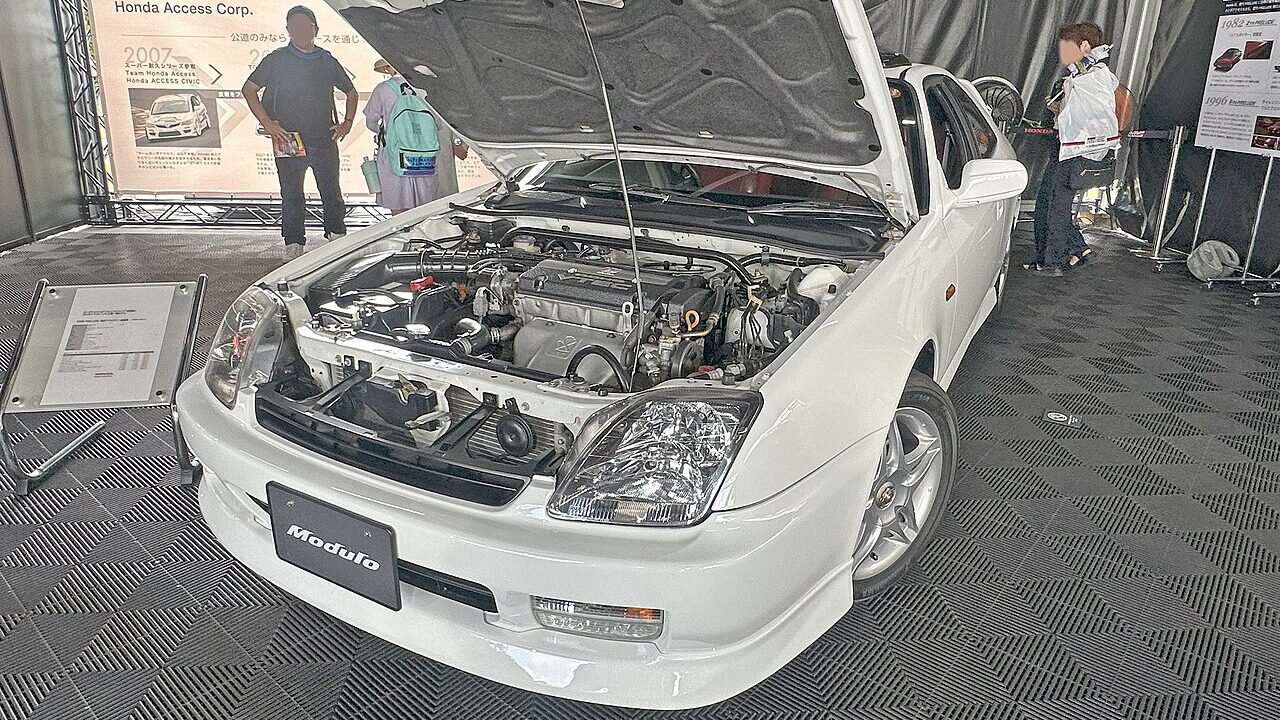
The Honda Prelude is one of Honda’s finest front-wheel-drive sports cars, and one of its most underrated. The BB6/BB8 models came with the H22A engine, producing 197 hp, a high redline, and that trademark VTEC punch.
The Prelude handled incredibly well thanks to its double-wishbone suspension and well-balanced chassis. Yet it never reached the popularity of the Integra or Civic Type R, leaving it as one of the best bargains in the JDM world today. If you want a stylish, high-revving ’90s Honda that’s still affordable, the Prelude is the one to buy.
JDM legends like the Supra, GT-R, and RX-7 get all the attention, but some of Japan’s finest performance cars were never poster cars, and never blessed with social media hype. These underrated JDM cars are forgotten heroes that offer incredible value, authentic JDM engineering, and the kind of character modern cars often lack.
Did you like this article?
Make sure you follow us on Facebook for more builds, guides, and car culture content.

