





The Mazda Miata has worn many crowns over the past 35 years. It’s the world’s best-selling roadster, SCCA autocross king, track-day hero… but there’s one title most enthusiasts forget: the Miata is also the greatest donor platform in modern kit-car history.
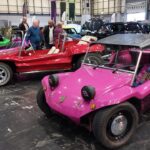
Before the Miata arrived, the kit-car industry belonged to the Volkswagen Beetle. Dune buggies, Porsche replicas, fiberglass wedges, nearly every budget build started with an air-cooled VW chassis. As Beetle chassis dried up and performance expectations increased, kit-car manufacturers needed something stronger, more modern, and more tunable.
Enter the Miata. It’s lightweight, reliable, rear-wheel drive, cheap to buy, easy to work on, endlessly supported by the aftermarket, and blessed with the kind of chassis balance most modern sports cars only dream of. It was inevitable that the Miata would become the new “universal donor.”
Today, dozens of high-quality kit cars, from exoskeletal track specials to hand-finished Italian-style rebodies, use the MX-5 platform as their foundation. Whether you want a Lotus Seven-style weapon, a 1930s-inspired monoposto racer, or a swoopy 1960s GT coupe, the Miata can get you there.
Here are the best Miata-based kit cars you can buy today, all currently in production, and all proving that the Miata is picking up where the Beetle left off and is set to define the next golden age of kit cars.
Blackwell Sports Cars SPR1
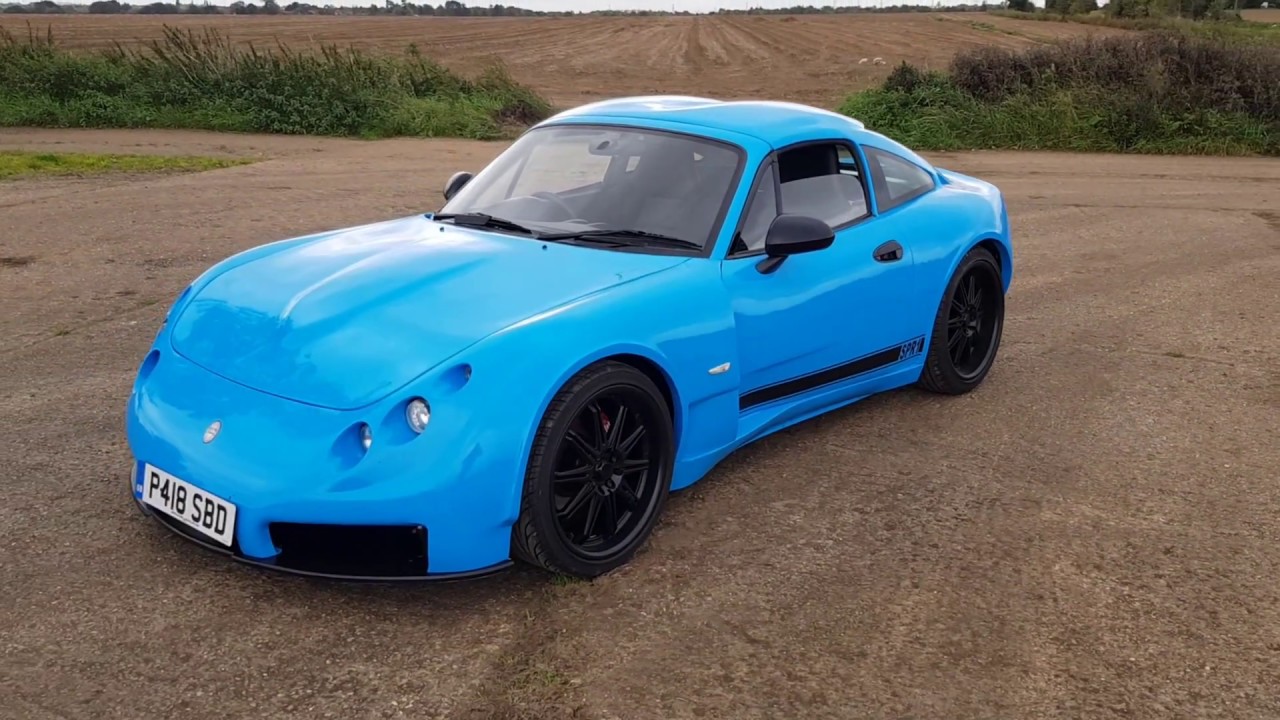
If you’ve ever wished your Miata felt more like a baby supercar, the Blackwell SPR1 is the answer. Rather than imitating a specific classic, the SPR1 is a clean-sheet rebody that looks like a boutique European GT car. It’s low, sculpted, elegant, and surprisingly exotic given the donor platform beneath it.
Blackwell designed the SPR1 as a full transformation rather than just a skin. The kit includes a new tubular front and rear structure, revised crash bar mounts, and a lightweight composite body that completely replaces the Miata’s original sheet metal. Builders retain the Miata’s suspension, drivetrain, wiring, and interior fundamentals, which keeps costs reasonable while delivering stunning results.
The final product weighs less than many modern sports cars, keeps the Miata’s legendary balance, and looks like something that should be pulling up to Pebble Beach. In the world of Miata-based kits, this is the closest you get to a true bespoke exotic.
Tipo 184
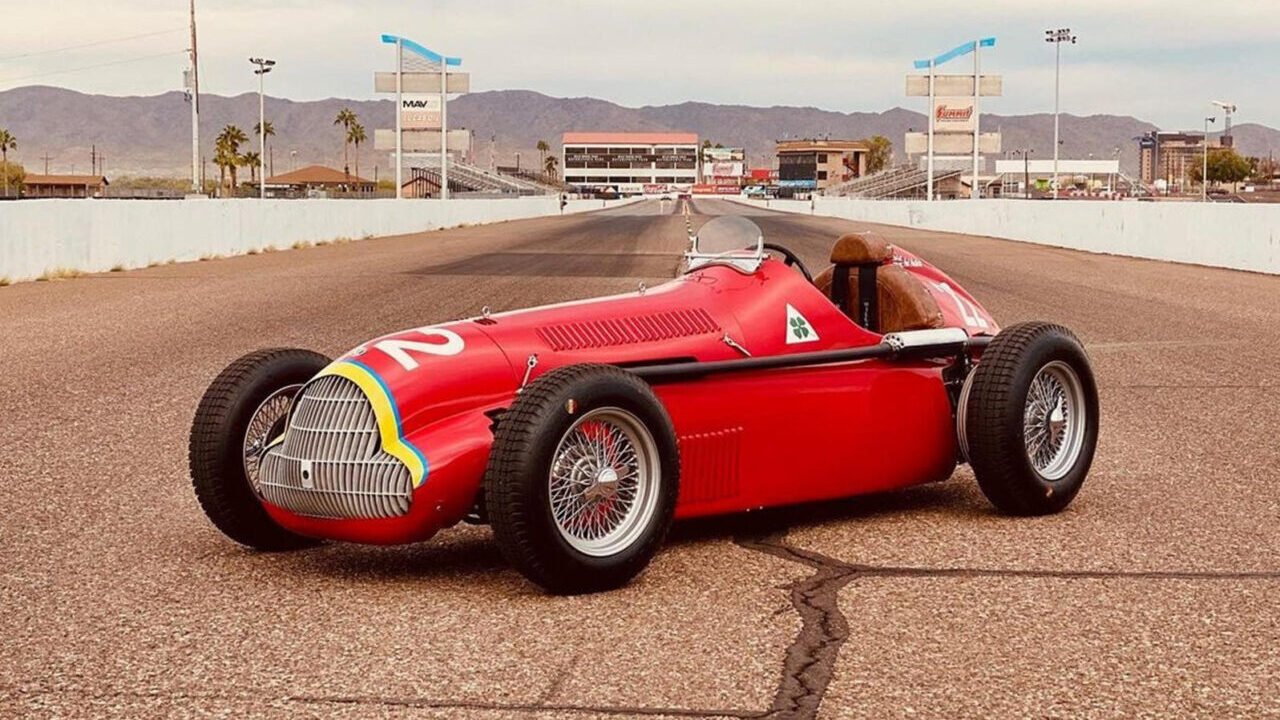
Although often associated with Ant Anstead because he built one on his TV show, the Tipo 184 predates that appearance, but the exposure helped turn it into a global phenomenon. The concept is simple enough: just take a modern Miata and transform it into a 1930s Alfa Romeo-style Grand Prix racer.
This is a full chassis kit with a purpose-built steel tubular frame. Builders transplant the Miata’s engine, transmission, cooling system, wiring, suspension, and steering into a featherweight open-wheel body that looks straight out of a Mille Miglia newsreel. The seating position is low, the hood is long, and the cycle fenders complete the pre-war silhouette.
Driving a Tipo 184 is nothing like a standard Miata. This thing is raw, loud, windy, and absolutely addictive. Weighing barely over 1,400 pounds, the Miata’s humble four-cylinder suddenly feels alive, and the car’s vintage looks guarantee attention anywhere you go. Among all Miata kits, this one is certainly the most unique.
GBS Zero
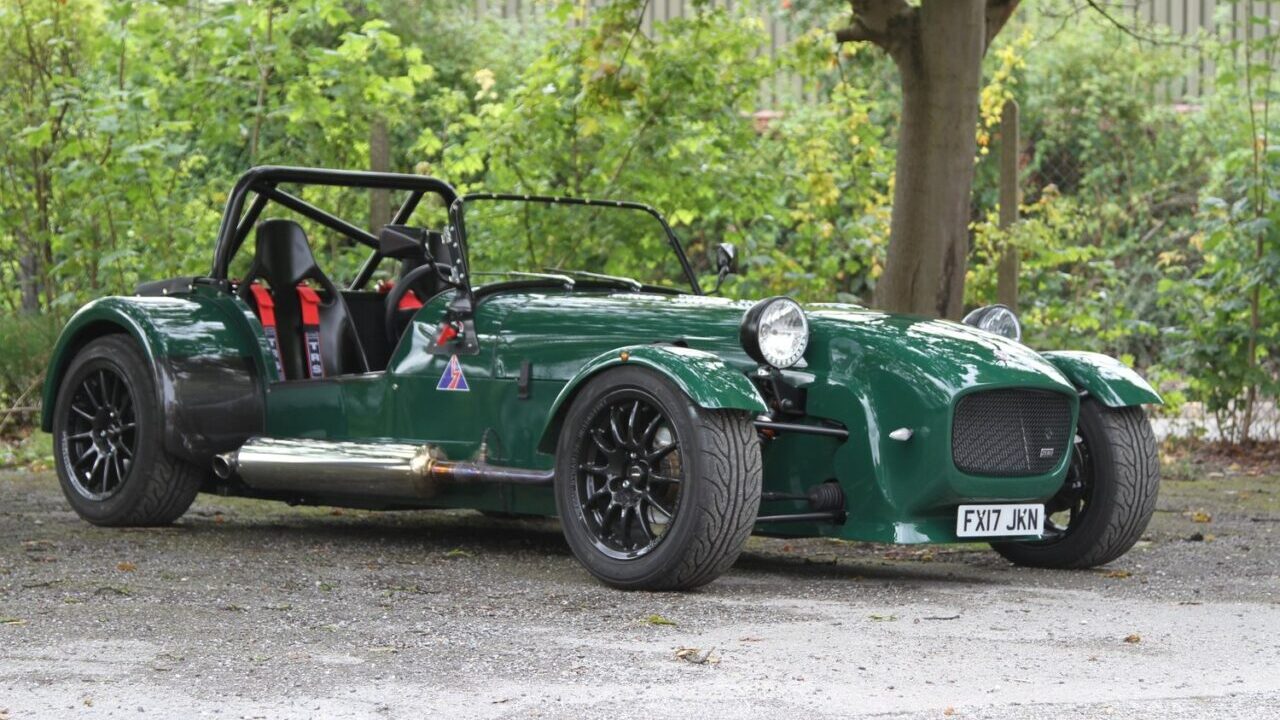
The Great British Sports Cars Zero is one of the best-engineered interpretations of the Lotus Seven concept currently available. Traditionally, Seven replicas relied on Ford or Rover donors, but GBS now offers a dedicated Mazda version designed specifically around Miata components.
The Zero Mazda uses the Miata’s engine, transmission, rear differential, uprights, and suspension arms. Combined with a featherweight chassis, the result is a track-day monster with one of the best power-to-weight ratios achievable on a realistic budget. Even a stock 1.6-liter Miata engine feels fast here.
The Zero is available as a self-build kit or fully assembled, with options ranging from mild road spec to full-blown track tune. For drivers who want the purest, most communicative driving experience possible, there’s probably no better use of a donor Miata.
MEV / Exomotive Exocet
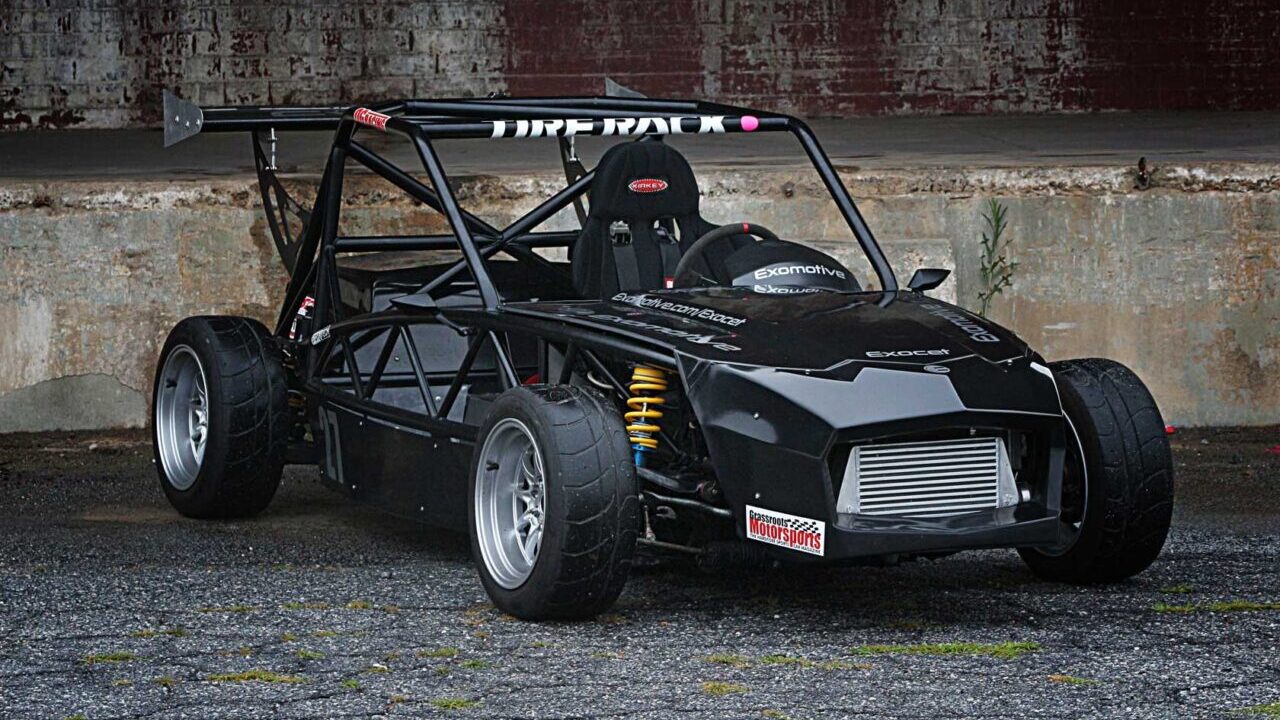
The MEV Exocet is the best-selling Miata-based kit car in the world, and it’s obvious why. By stripping the Miata down to its subframes and bolting them to MEV’s ultra-light tubular chassis, the Exocet removes nearly everything that isn’t essential to going fast.
The result? A car that weighs less than 1,300 pounds in most builds. Add some forced induction to that Miata engine and you get supercar-level performance for a fraction of the cost. The open-frame construction gives it a radical appearance, like a cross between an Ariel Atom and a dune buggy.
MEV (Mills Extreme Vehicles) created the original Exocet concept, and Exomotive, a US company, licensed the design, then significantly re-engineered and improved it for the American market, making the Exomotive Exocet a distinct, more advanced version. Because the Exocet uses so much of the Miata’s original hardware, such as brakes, wiring, steering, and drivetrain, the build process is approachable for first-time kit builders. It’s arguably the most fun-per-dollar you can get in the automotive world.
Xenex Motorsports MX Speedster
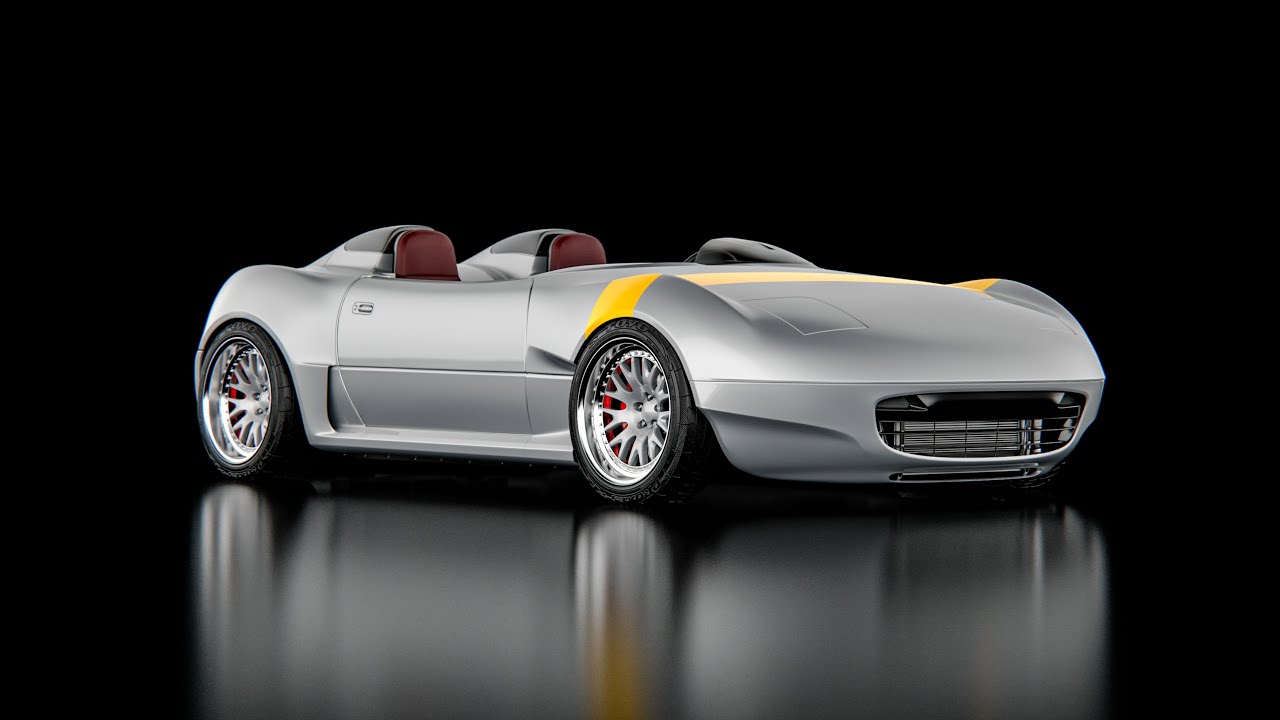
If you love minimalist open-top sports cars, such as Porsche 356 Speedsters, Lotus Elites, early Ferraris, the Xenex MX Speedster delivers that aesthetic in Miata form. It transforms the donor into a clean, low-slung speedster with a chopped windshield, smooth body lines, and a wide track stance.
Unlike many rebodies, the MX Speedster doesn’t try to mimic a specific classic. Instead, it blends several design languages from the 1950s and 60s into something timeless. The interior also receives retro touches, including period-style gauges, quilted materials, and simplified switchgear.
Thanks to the Miata underpinnings, the MX Speedster drives like a weapon on twisty roads. Light, responsive, and far more exotic-looking than its donor car, this may be the most beautiful Miata-based kit on the market today.
MK Sports Cars RX-5
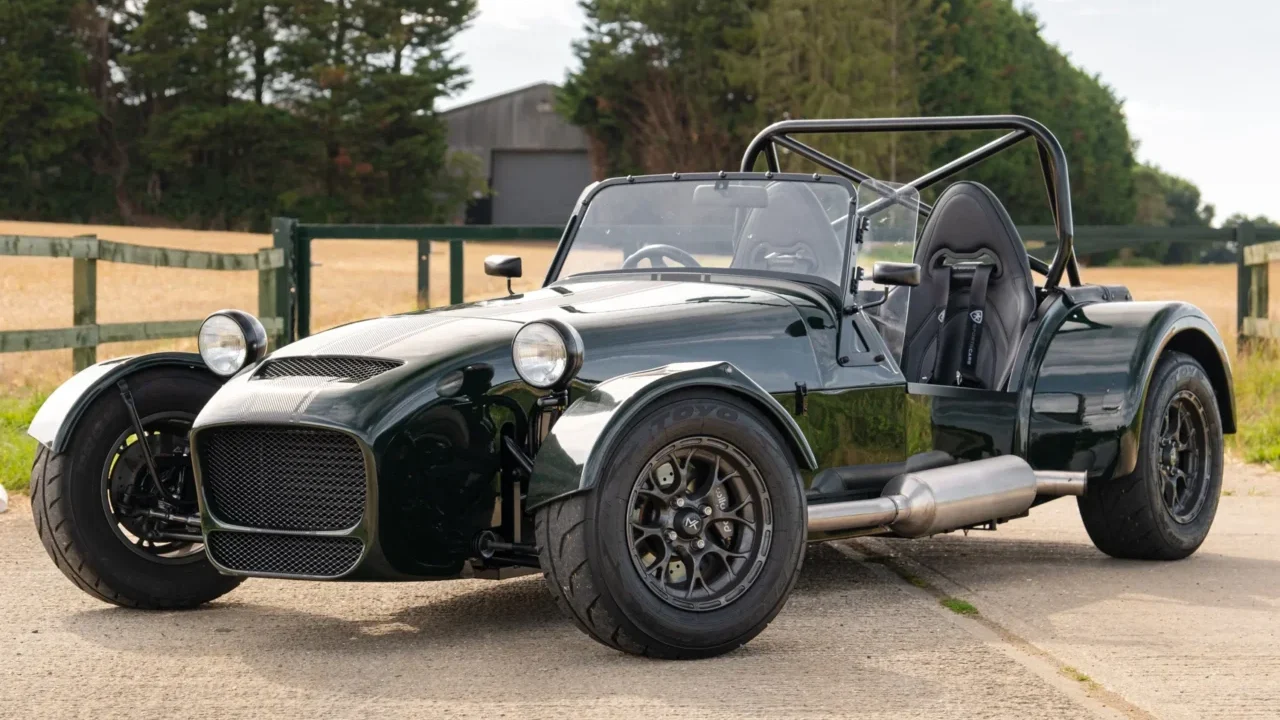
MK Sports Cars builds some of the finest Seven-inspired kits in Europe, and the RX-5 is their Miata-based platform. Designed around MX-5 suspension geometry and drivetrain components, the RX-5 delivers sharp handling and a rigid, modern chassis that surpasses many traditional Seven clones.
The RX-5’s biggest advantage is adjustability: camber, caster, ride height, alignment—everything can be fine-tuned for optimal performance. Whether you’re building a canyon-carver or a full-time track machine, the RX-5 provides enormous tuning potential.
With the Miata’s engine choices, from the 1.6 NA to the 2.0 NC, and especially with turbo or supercharger upgrades, the RX-5 becomes a real giant-slayer on any racetrack.
S2 Racing Nose Conversion
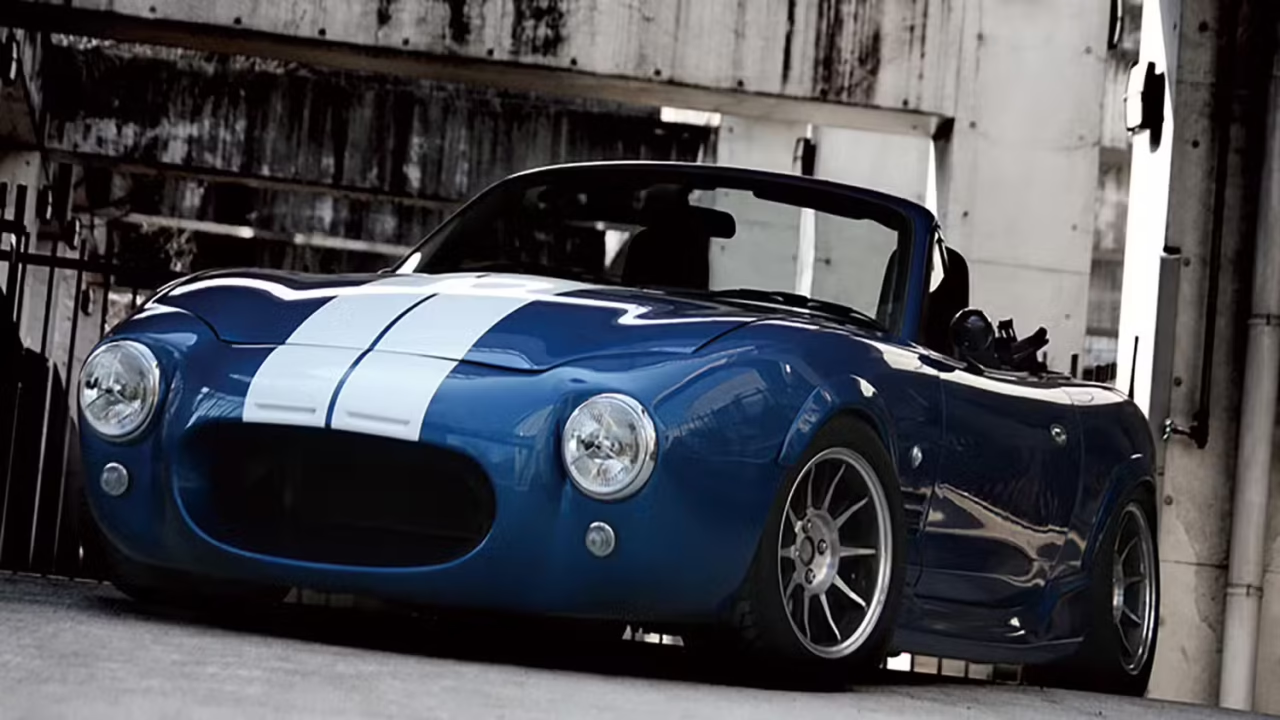
Not every kit needs to replace the entire car. The S2 Racing nose conversion transforms the front end of an NA or NB Miata with a Cobra-style oval grille opening, elongated nose, and classic sports-car proportions.
This isn’t a full rebody, as your Miata keeps its original doors, fenders, and rear bodywork, but the new front end dramatically changes its identity. With the right wheels and paint, it can look like a 1960s roadster rather than a 1990s Japanese sports car.
For builders who want vintage style without committing to a complete kit-car build, this is one of the most affordable and striking transformations available.
Simpson Design Swift
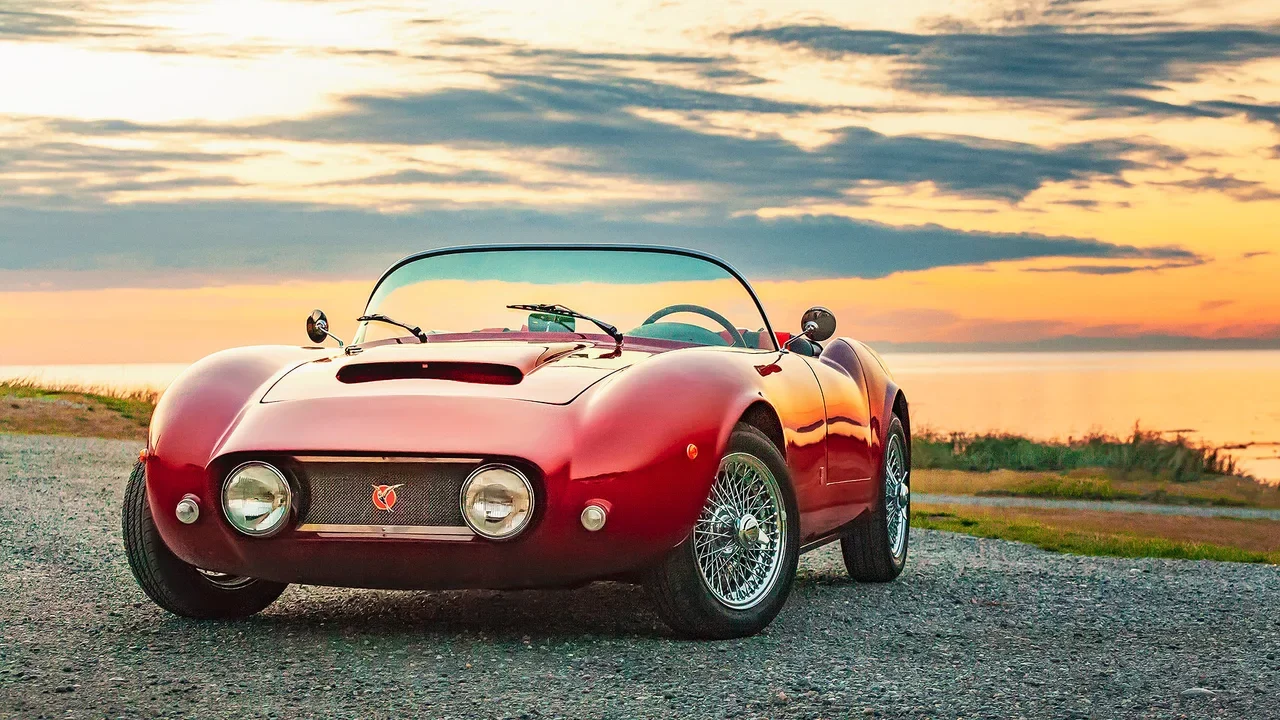
Simpson Design specializes in hand-crafted Italian-style rebodies for Miata donors, and the Swift is their purest, lightest roadster. Inspired by classic European sports cars from the 1960s, the Swift replaces the Miata’s body with a sleek fiberglass shell featuring flowing fenders, a graceful tail, and bespoke lighting.
Inside, builders can specify retro seating, vintage-style dashboards, leather trim, and unique color combinations. Despite the classic looks, the car remains mechanically modern thanks to the Miata platform, which means it’s easy to maintain, easy to register, and fun to drive.
The Swift is the ideal kit for enthusiasts who want something beautiful and coachbuilt without entering six-figure territory.
Simpson Design Italia 3 GTZ
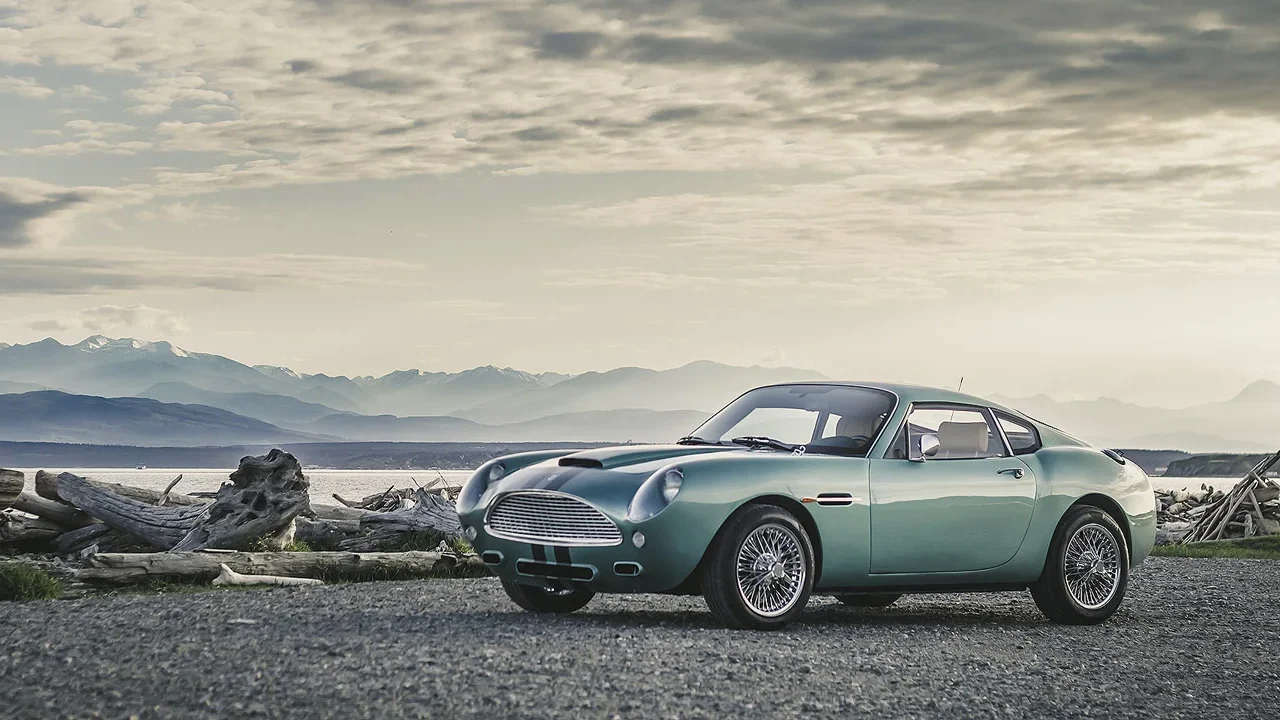
The Italia 3 GTZ is one of the most striking Miata-based rebodies ever created. With obvious inspiration from classic Aston Martins and Zagato-bodied exotics, the Italia 3 GTZ turns a humble Miata donor into a long-nose grand touring coupe that looks more at home in Monaco than in a Mazda dealership.
This build is a full transformation including new roofline, hood, fenders, rear quarters, bumpers, lighting, and interior upgrades. Every panel is hand-shaped and fitted to order, giving each Italia 3 GTZ a level of craftsmanship rarely seen in the kit-car world.
If you’ve ever dreamed of owning a 1960s GT coupe but don’t have $800,000 lying around, this is the next best thing, and it’s arguably even more usable.
Simpson Design Italia 3 SWB
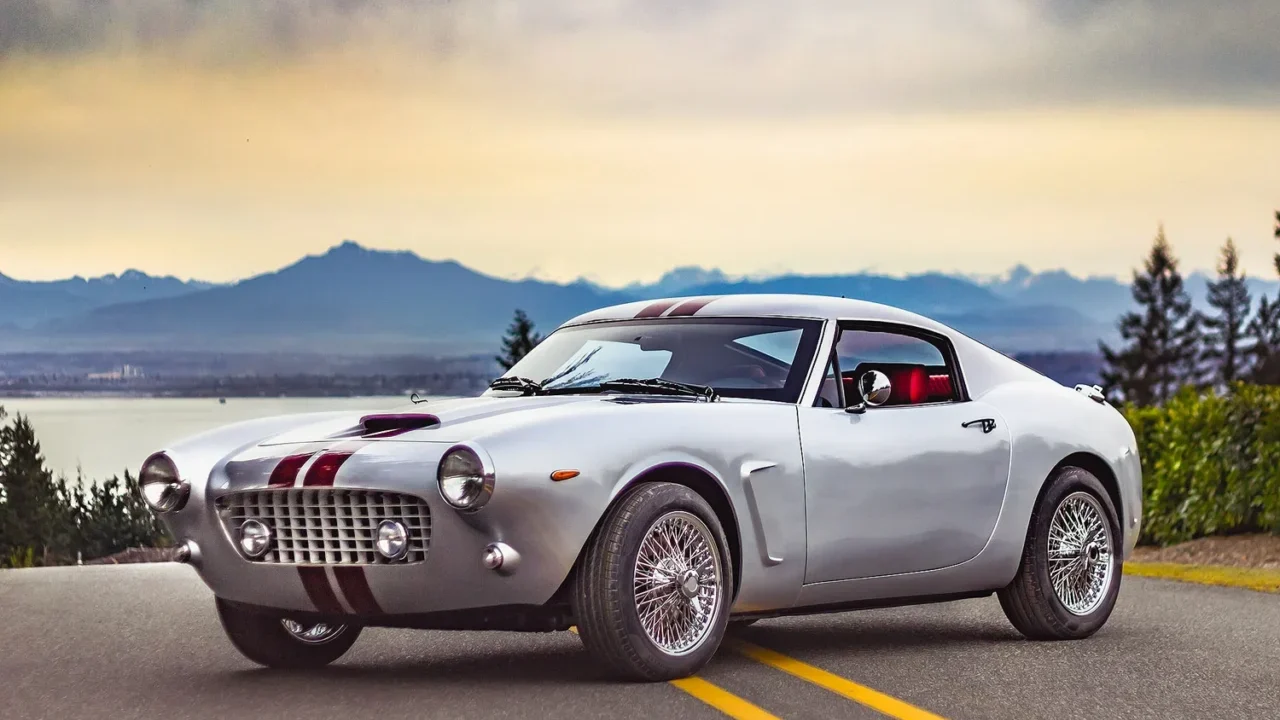
The Italia 3 SWB is a compact, sporting take on the GTZ. With tighter proportions inspired by short-wheelbase Italian race cars of the early 1960s, the SWB offers a more aggressive stance and a sharper, more purposeful silhouette.
Like all Simpson Design builds, the Italia 3 SWB uses hand-fitted fiberglass panels and offers extensive customization options. Builders can add period-correct details like wire wheels, vintage mirrors, leather-trimmed interiors, and classic paint schemes.
It’s one of the rare Miata-based kits that completely reimagines the car as a classic GT weapon.
Simpson Design Italia 2
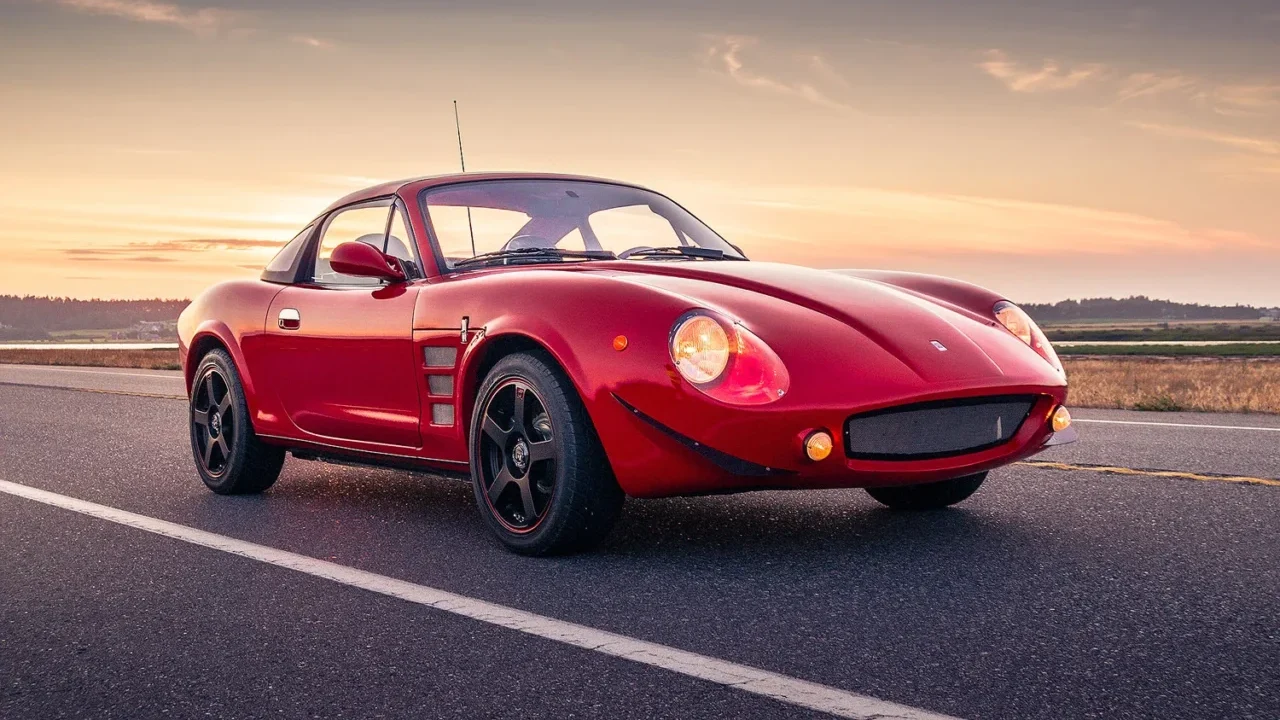
Where the GTZ and SWB are coupes, the Italia 2 is Simpson Design’s open-top tribute to 1960s Italian sports roadsters. With a long, sculpted hood, rounded tail, and delicately curved wheel arches, the Italia 2 delivers the type of beauty normally reserved for million-dollar cars.
The Miata’s modern reliability and serviceability makes this roadster surprisingly practical, while the rebody adds exclusivity and classic personality without the headaches of a real vintage Italian car.
In the world of Miata-based kits, the Italia 2 might be the ultimate expression of retro romance.
The Miata Is the New Universal Donor
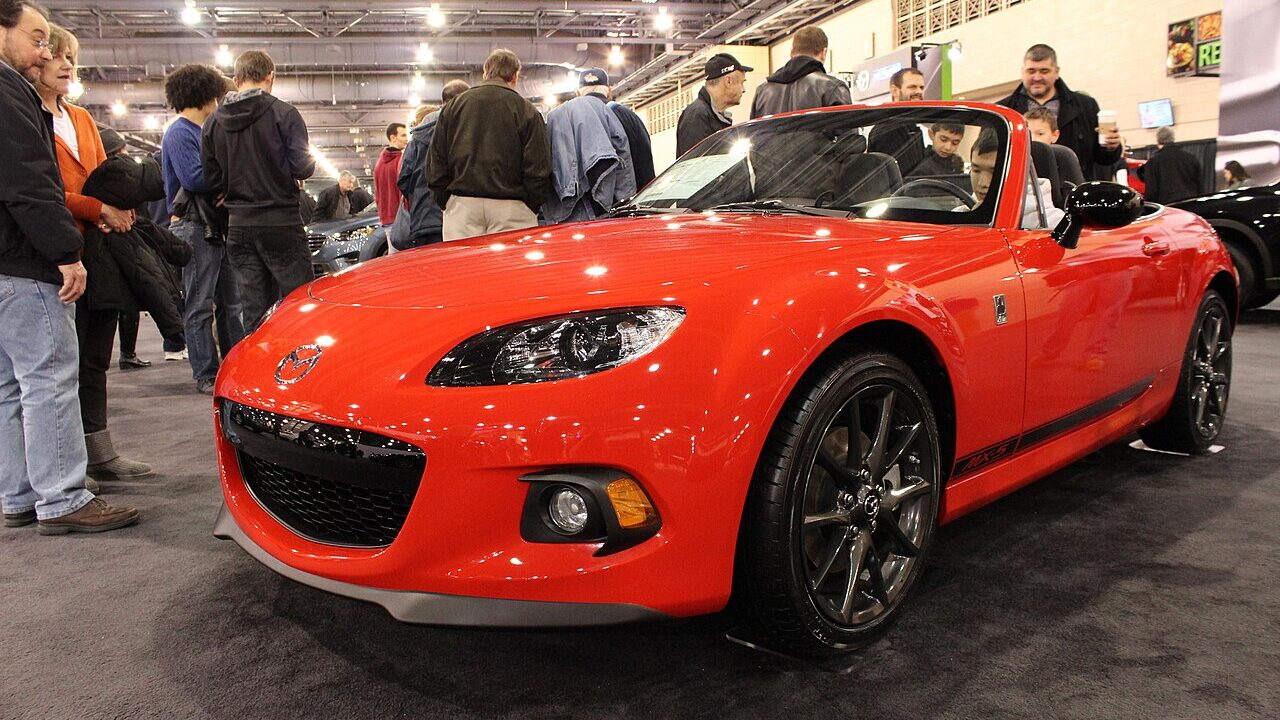
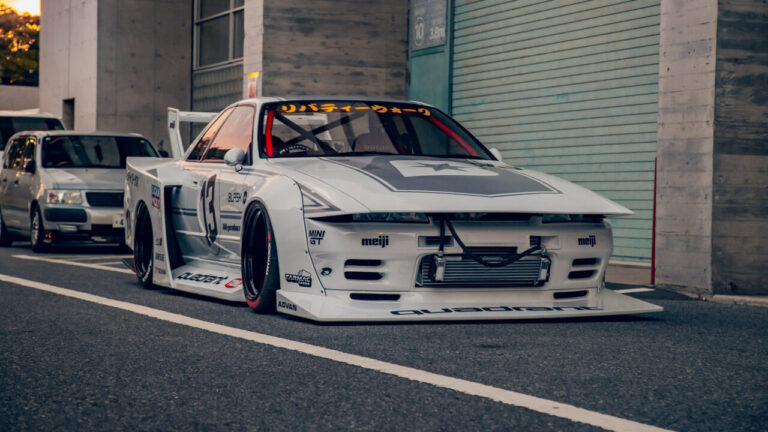
The Volkswagen Beetle may have dominated the golden age of kit cars, but the Miata is undeniably the hero of today’s scene. Its perfect chassis balance, huge aftermarket support, and global availability mean you can transform it into practically anything, whether it’s a 1930s GP racer, a Seven-style track car, a 1960s Italian GT, a minimalist speedster, or even a modern-looking exotic.
As far as kit cars go, the Miata is probably the most versatile automotive platform of the modern era.
Did you like this article?
Make sure you follow us on Facebook for more builds, guides, and car culture content.

