


Every car fan knows the M3 and M5, but real BMW nerds can name the weird stuff the German carmaker has created. BMW has spent decades building sharp, driver-focused machines, but hidden between the regular M cars are ultra-rare homologation specials, market one-offs, and limited editions most people have never even heard of.
These rare BMWs are the cars built to sneak into obscure race series, dodge local tax laws, or celebrate major motorsport wins. Some were hand-assembled in tiny numbers, others were only sold in a single country.
From V8-swapped M3 unicorns to South African homologation sedans and modern carbon-fiber Batmobiles, here, in no particular order, are the rare BMWs only real enthusiasts will recognize on sight.
1991 E34 BMW M5 Winkelhock Edition — 51 Units
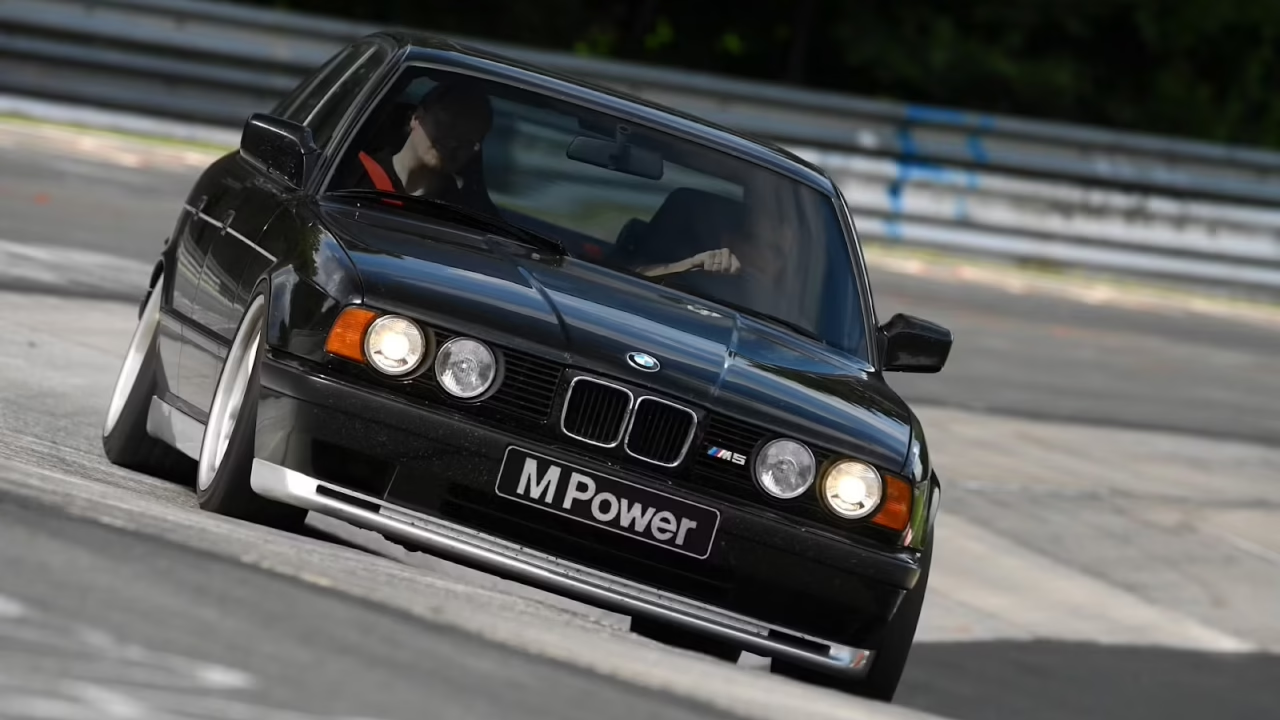
In 1991, BMW asked two of its racing drivers, Johnny Cecotto and Joachim Winkelhock, to design their ideal E34 M5s. For his version, Winkelhock decided to go with a lightweight version, stripping the M5 of many standard creature comforts and adding some safety and performance parts.
By the time it was ready, the Winkelhock Edition M5 was 88 lbs lighter than a standard M5. All 51 cars were painted Jet Black with contrasting Sterling Silver Metallic parts, and the interior received half-leather Recaro seats.
2001 E46 BMW M3 GTR Strassenversion — 10 Units
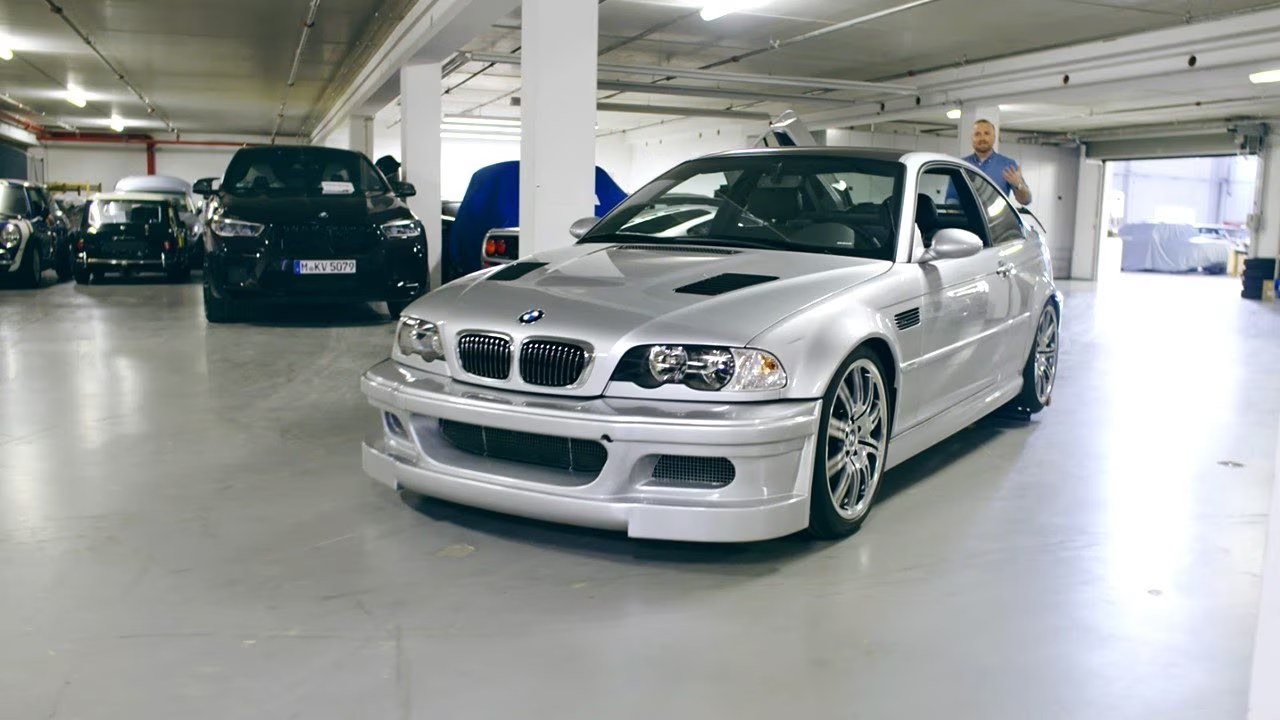
BMW’s 2001 E46 M3 GTR Strassenversion is a road-going homologation special built so the Bavarians could compete in the 2002 American Le Mans Series. BMW only made 10 of these lightweight monsters and made them available to the public with an extortionate price tag.
The straight-six engine usually found under the hood of the E46 M3 was long gone. In its place was a 4.0-liter V8 that let 350-380 wild Bavarian stallions loose when the throttle was floored.
1936–1940 BMW 328 Roadster — 464 Units
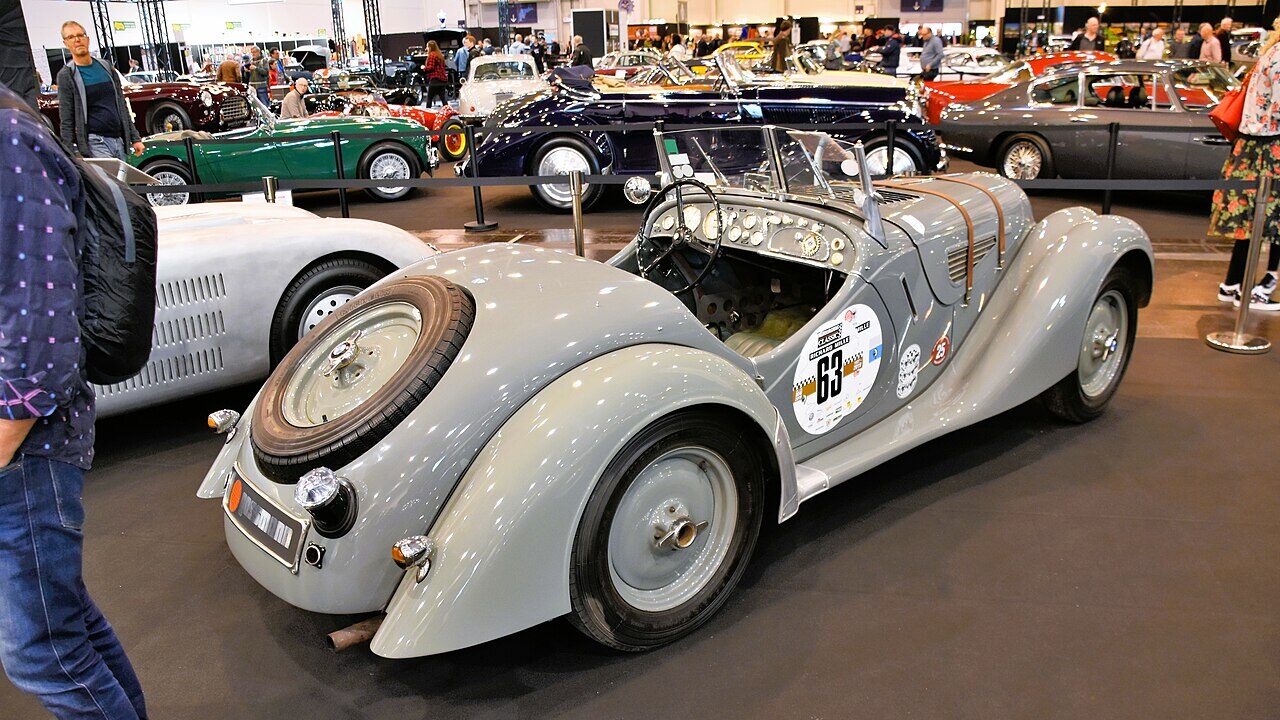
The pre-war BMW 328 Roadster was a sports car and highly successful racer with multiple prestigious trophies to its name.
In 1936, it won at the Nürburgring. The following year, the 328 took home over 100 class wins. By 1940, the BMW 328 had participated in 172 races and racked up 141 wins, including at the RAC Tourist Trophy, the Alpine Rally, the Mille Miglia, and the 24 Hours of Le Mans.
1956 BMW 507 — 250 Units
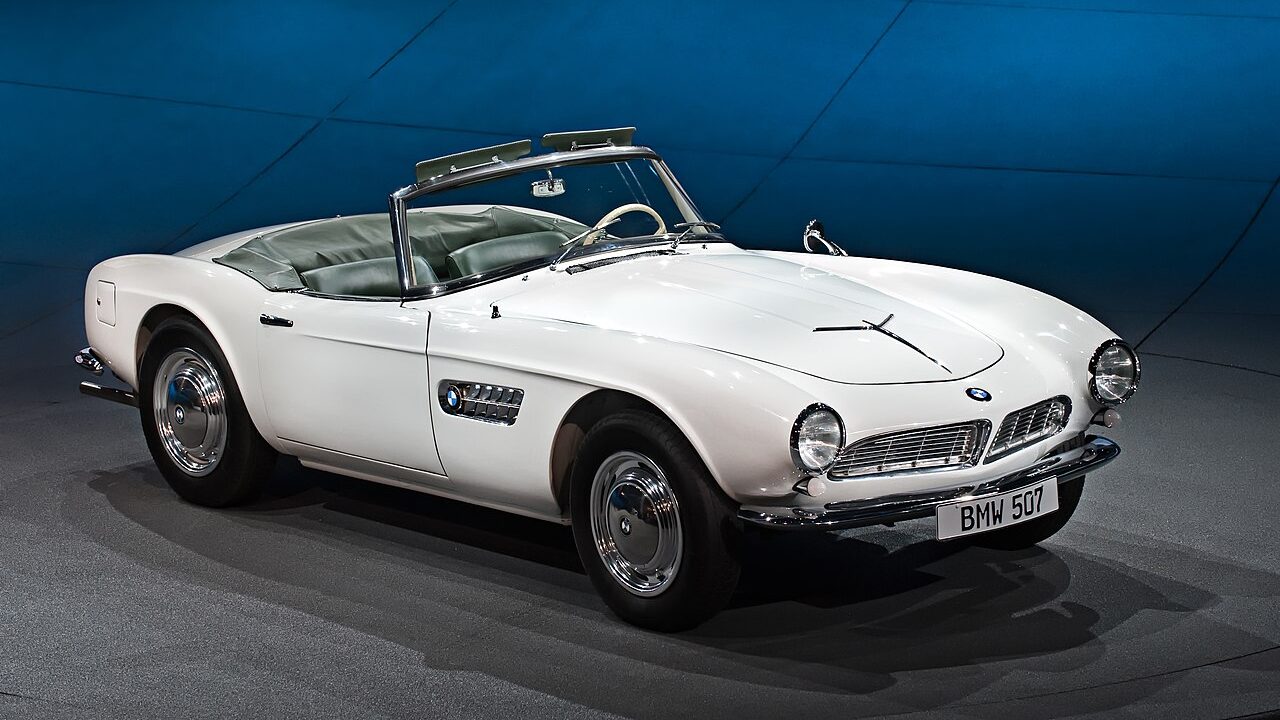
BMW has built many fine cars over the years, but arguably none as pretty as the 507 Roadster, a car so glamorous it attracted the attention of buyers including Elvis Presley, Fred Astaire, John Derek, and King Constantine II of Greece.
In production from 1956 to 1960, only around 250 examples of the V8-powered 507 were sold, mainly because it ended up being far more expensive to build than BMW had planned. The roadster was conceived at the behest of Max Hoffman, a US importer who wanted a BMW to take on the Mercedes 300SL. He convinced BMW that he could sell 10,000 of these per year, for $5,000 each. BMW ended up overengineering it, and even though it eventually sold for $10,000, they lost money on every car. In fact, the 507 nearly bankrupted BMW, giving industrialist Harald Quandt a chance to take control of the company, and his children still own a majority stake.
2012 E92 BMW M3 DTM Champion Edition — 54 Units
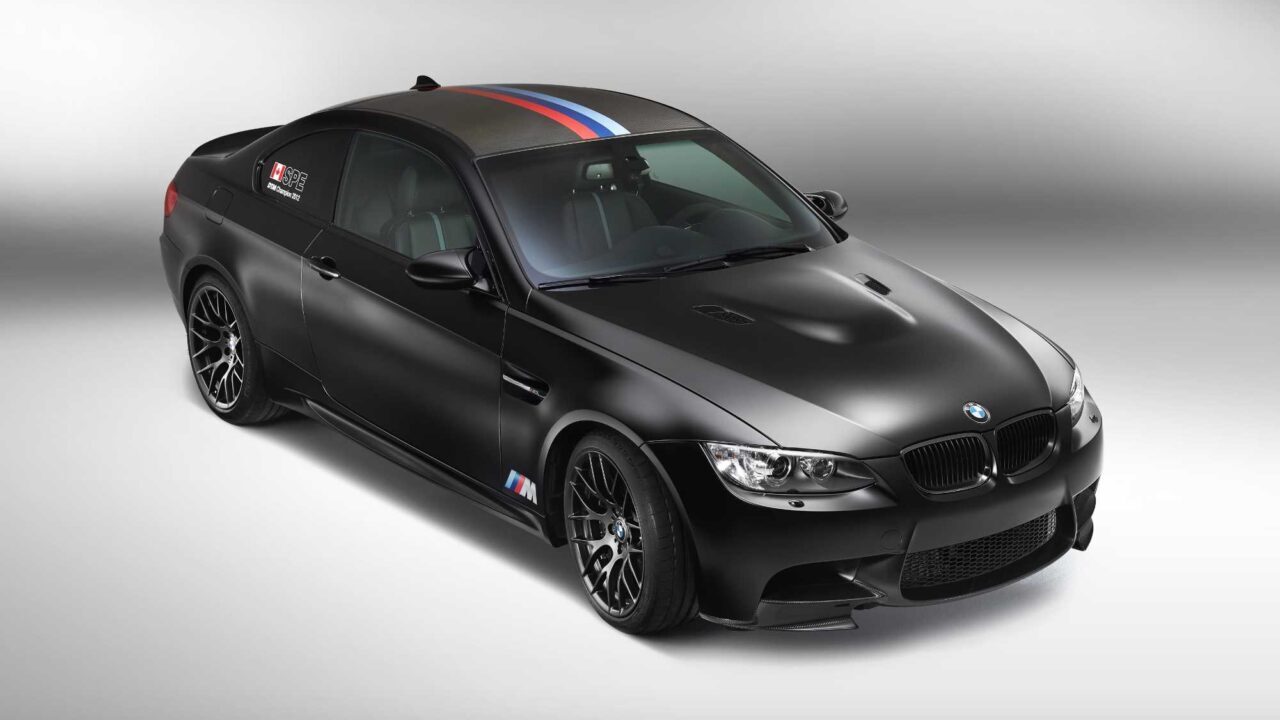
After a 19-year hiatus, BMW returned to DTM racing in 2012 and won the drivers’, team, and manufacturers’ titles in its first year. Obviously, they had to create something special to celebrate the newly restocked trophy cabinet.
They came up with the DTM Champion Edition, based on the E92 Competition Pack M3. It had a reprogrammed ESP system, various carbon fiber parts — including the flaps, gurney, and roof — and a 10 mm lower suspension with a Sport setting. Only 54 were made.
2011 E90 BMW M3 CRT — 67 Units
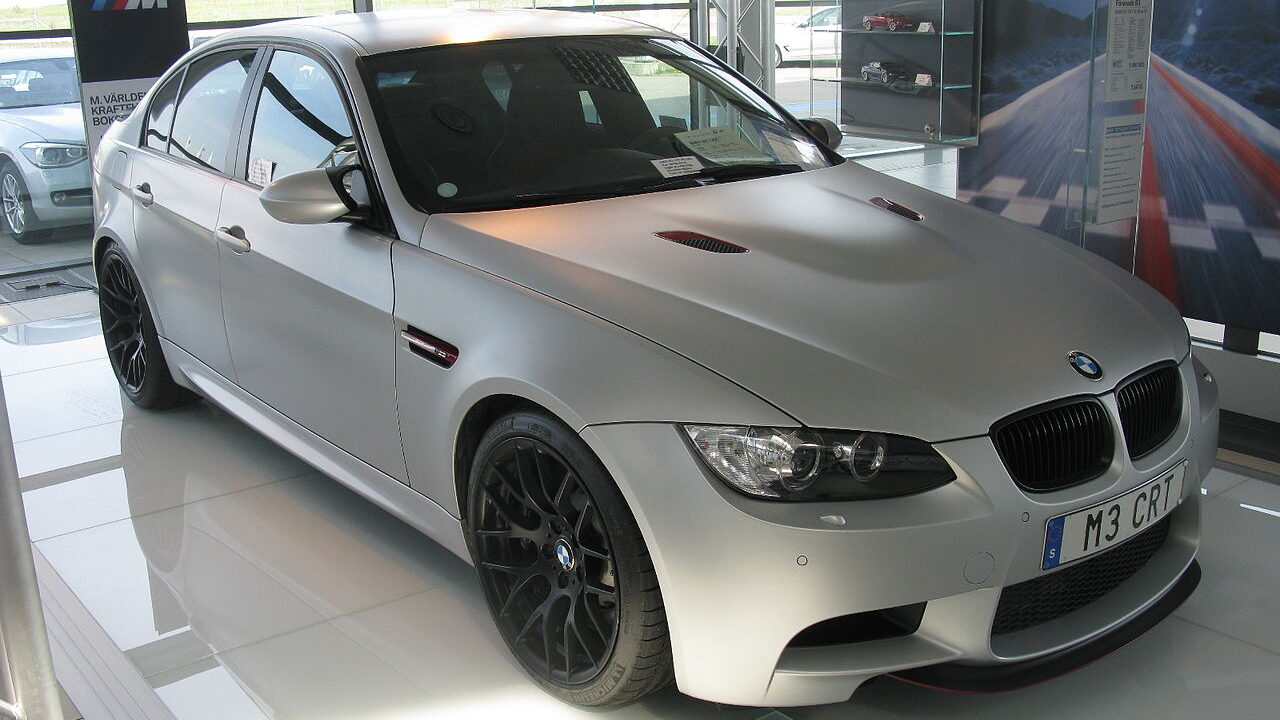
At first glance, the E90 M3 CRT sedan doesn’t look all that special, but CRT stands for Carbon Racing Technology, and that should tell you everything you need to know about this European sedan.
With carbon fiber reinforced plastic parts used both inside and outside, it’s essentially a rolling advertisement for BMW’s carbon fiber expertise. As expected, this has made it around 154 lbs lighter than a standard M3. Its 4.4-liter V8 engine pumps out 450 hp, and it has a glorious soundtrack thanks to the titanium exhaust. Zero to 62 mph was also half a second quicker, taking just 4.4 seconds.
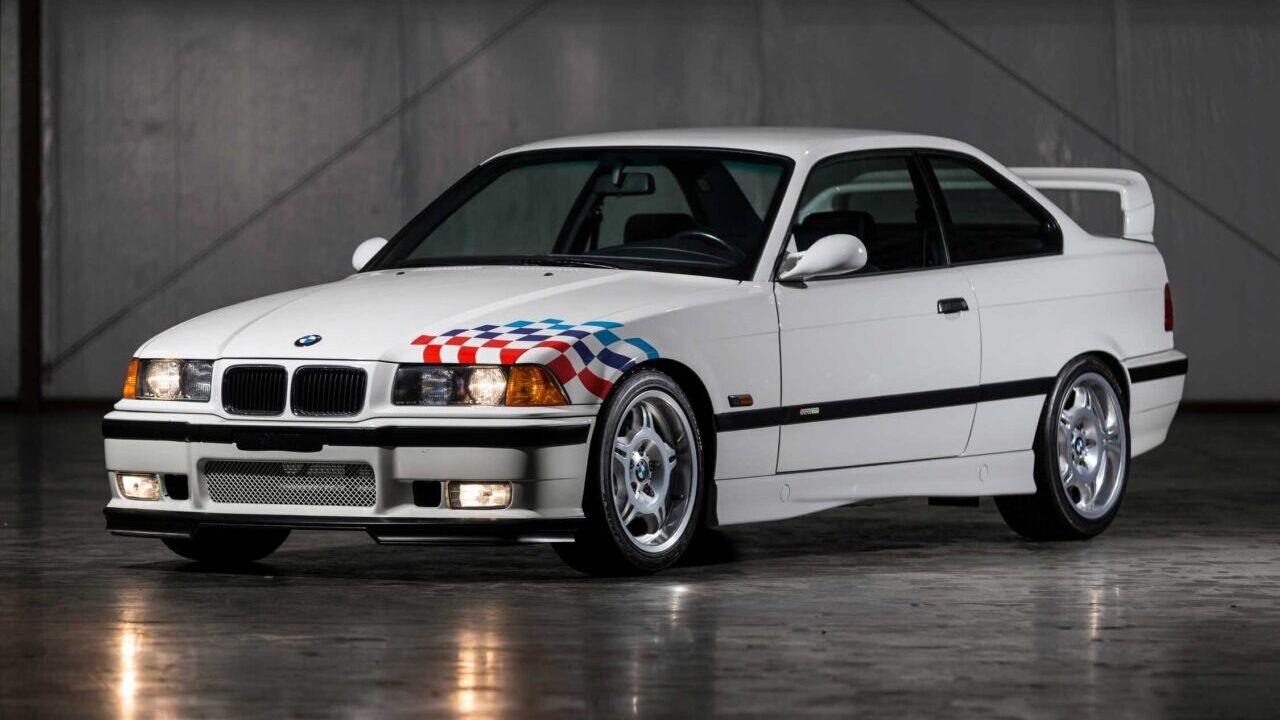
1995 E36 BMW M3 Lightweight — 126 Units
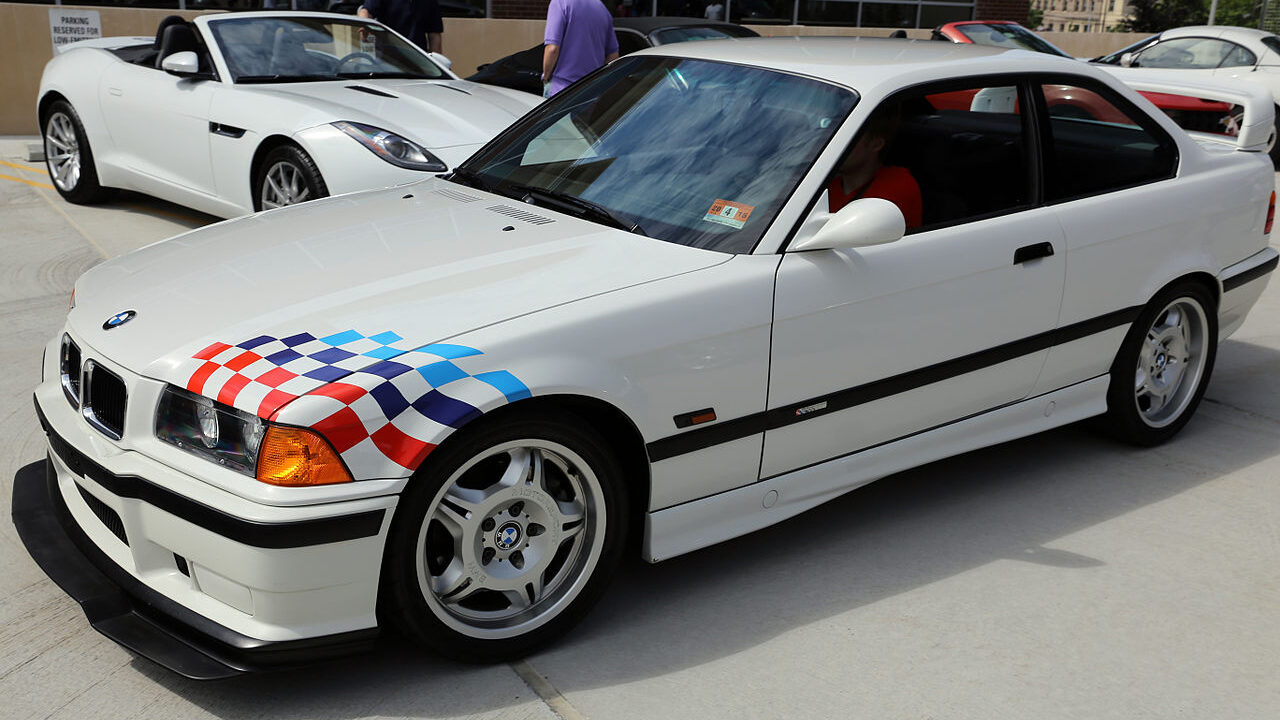
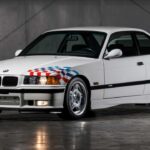
BMW released the E36 M3 Lightweight exclusively on the American market. Production was limited to just 126 cars, all of them with a big rear wing, carbon parts, and some fancy decals.
Weight-saving measures were taken to the extreme to chop off 200 lbs from the standard M3’s weight. Under the hood, it had the same inline-six as other M3s, but the top speed limiter was gone.
2016 F13 BMW M6 Competition Edition — 100 Units
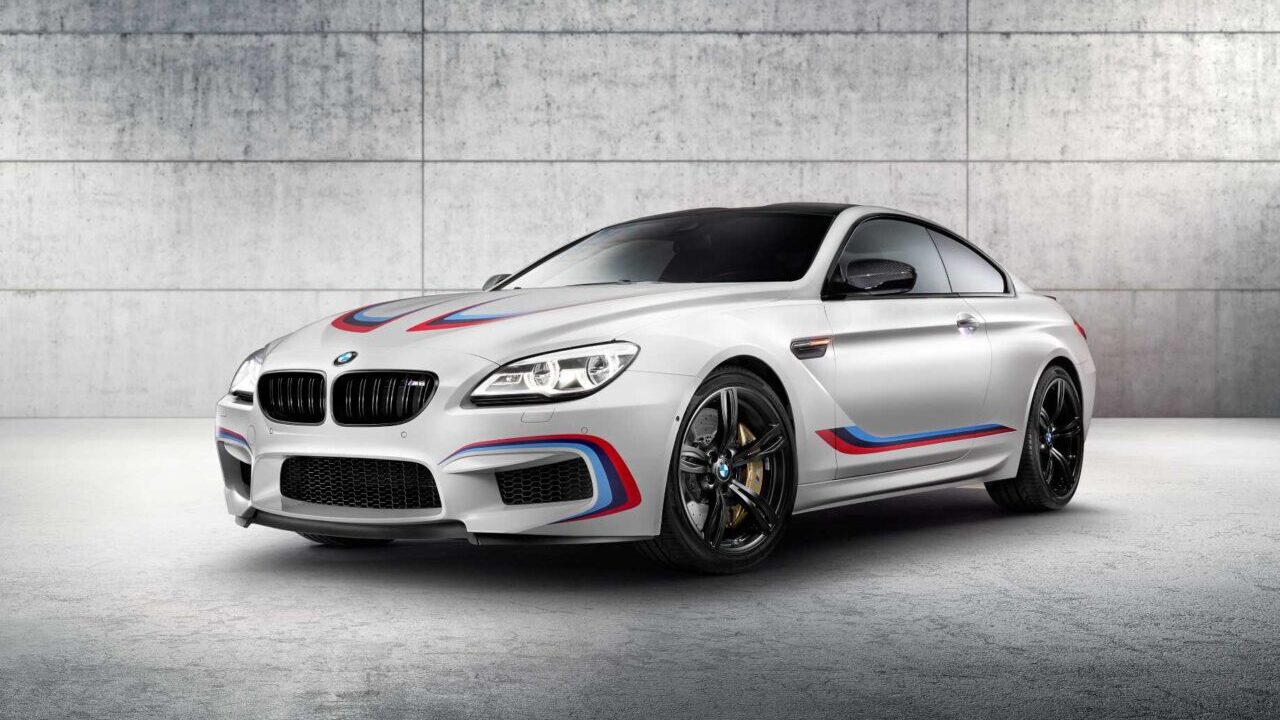
In 2016, BMW built 100 units of the M6 Competition Edition for the US market. It was only available in two colors, Alpine White and Austin Yellow.
With the Competition Package, the twin-turbocharged 4.4-liter V8 engine produced 600+ hp and 515 lb-ft of torque, which sent it to 60 mph in just 3.8 seconds. The springs, dampers, and anti-roll bars were also firmer than standard. It also had 20” M Double Spoke wheels, a sport exhaust, and plenty of carbon fiber parts.
1987–1990 E30 BMW 320is — 2,540 Units
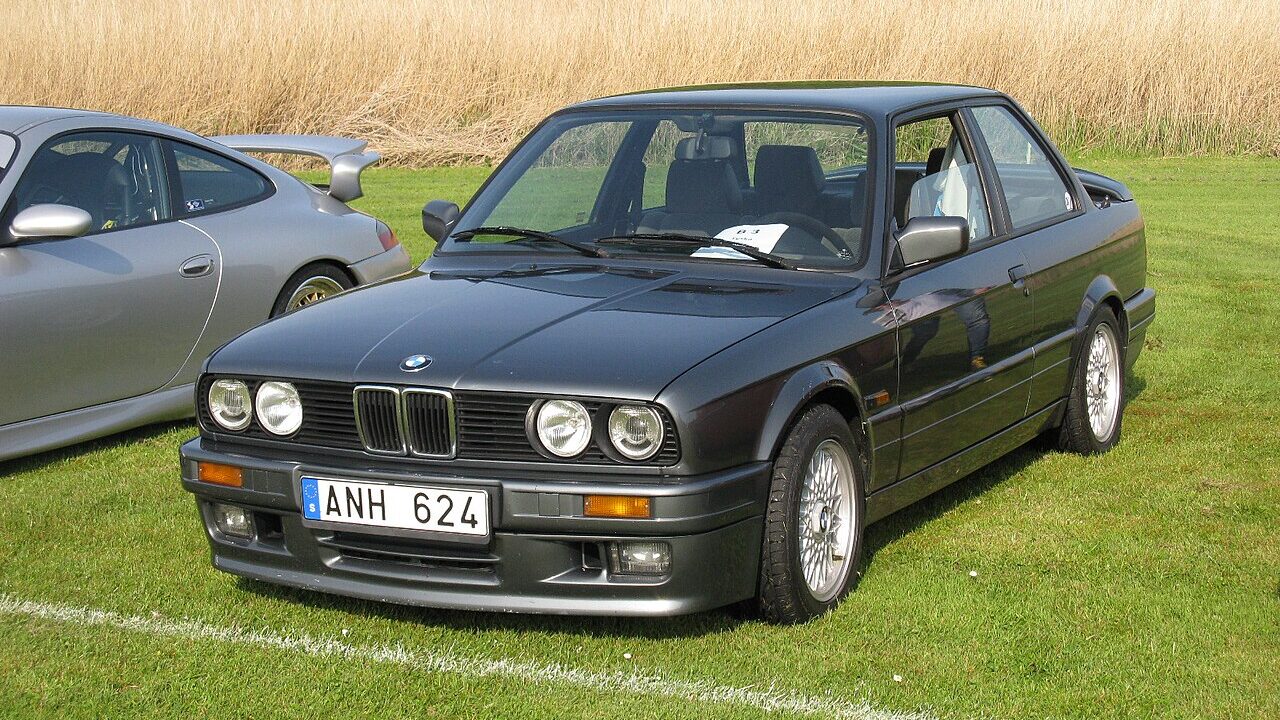
In Portugal and Italy, taxes were considerably higher for cars with engines larger than 2.0 liters, so BMW got around that by creating a unique model for those markets only.
The E30 BMW 320is had the same body as the regular 3-Series, but it was powered by a 2.0-liter version of the M3’s S14 engine. It even had the European M3’s Getrag dogleg gearbox. Only 2,540 two-door models were built, and the four-door is even rarer, with just 1,206 cars.
2010 E92 BMW M3 GTS — 138 Units
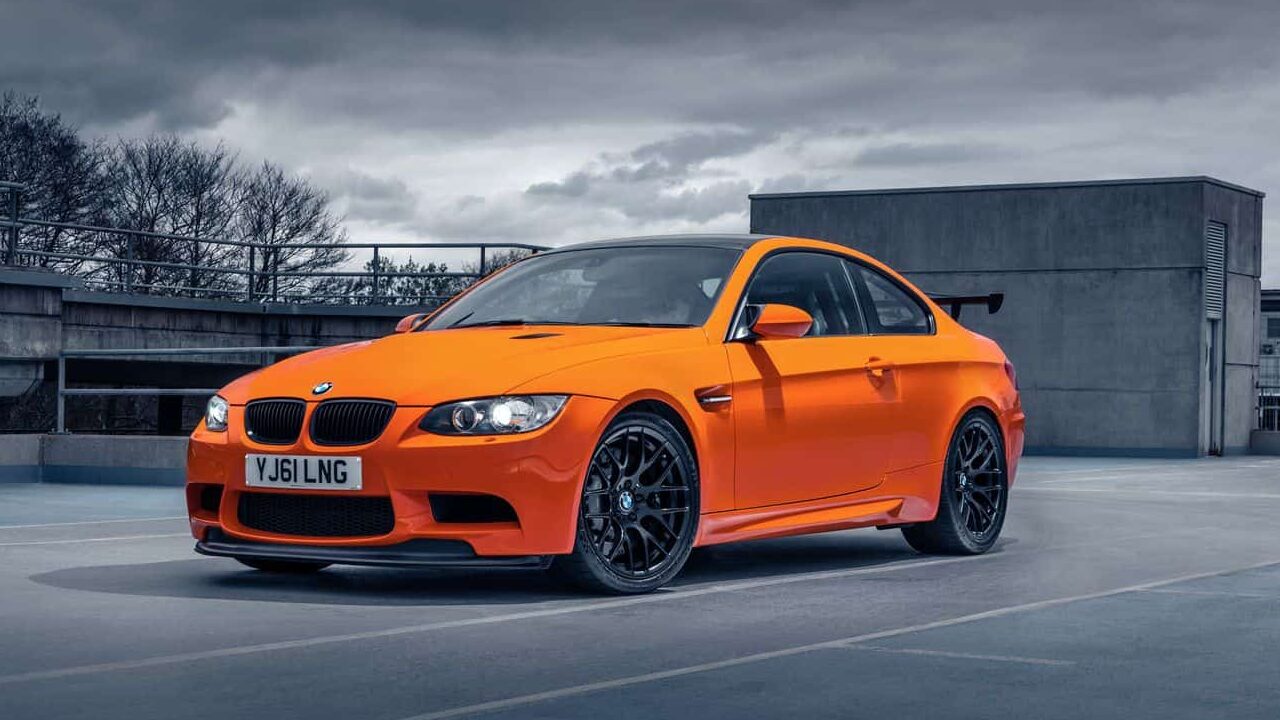
The fourth-gen M3, or E92 in BMW speak, was the first and only time (except for the very limited E46 GTR) BMW used a V8 in the M3. In 2010, the Bavarians unveiled the hand-built GTS version, and it was an absolute beast.
The GTS was basically an M3 that spent some time in the gym to shed weight and become more powerful. It had a carbon fiber roof and a titanium exhaust. The rear seats, sound system, and aircon were ripped out, and other interior parts were also given the lightweight treatment. Its V8 engine grew from 4.0 liters to 4.4, and power increased from 415 to 450 hp, and the brakes and suspension were upgraded to match.
2016 F82 BMW M4 DTM Champion Edition — 200 Units
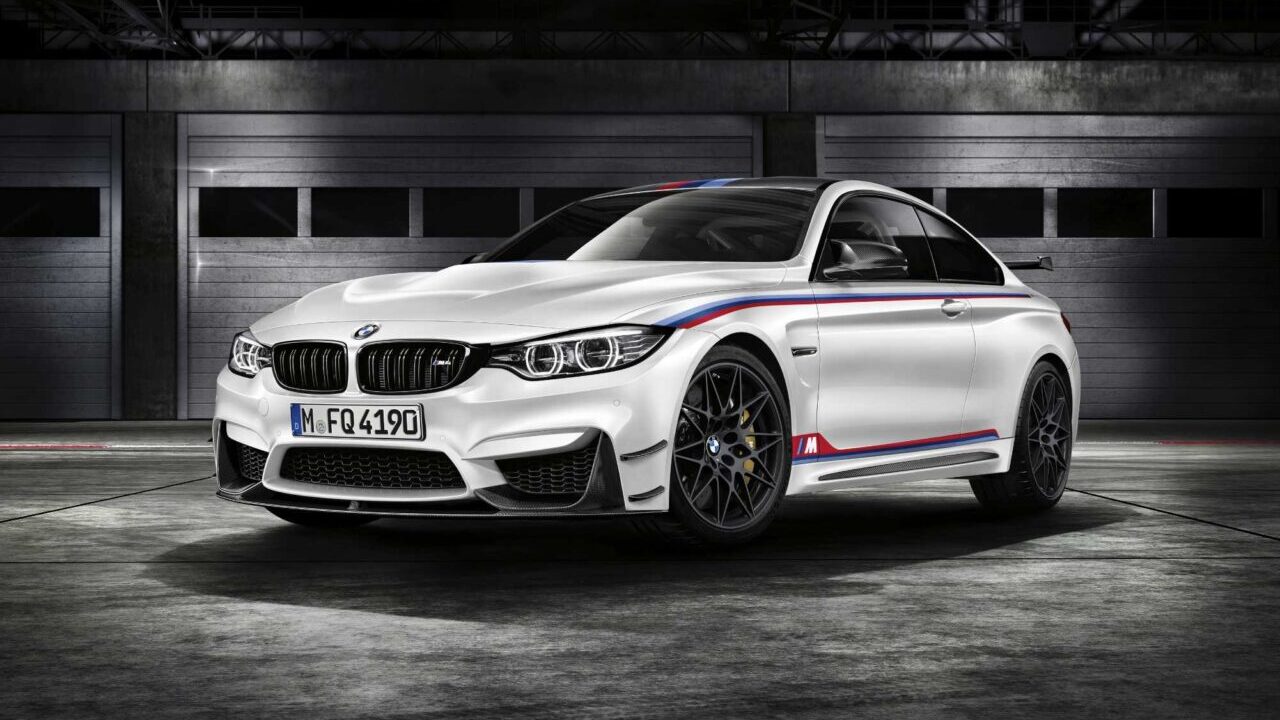
Remember the 2012 E92 DTM Champion Edition we mentioned earlier? Well, in 2016, BMW did it again, so they commemorated the occasion by creating the M4 DTM Champion Edition. It’s essentially the same car as the GTS, but the divisive orange parts are gone, and the car is now white with the M tricolor stripes.
It has all the GTS goodies, including the carbon fiber hood, roof, and rear diffuser. The engine is a turbocharged inline-six with water injection and 500 horsepower. Only 200 were made, and the owners could enjoy a 0-62 mph time of 3.8 seconds.
1973–1974 BMW 2002 Turbo — 1,672 Units
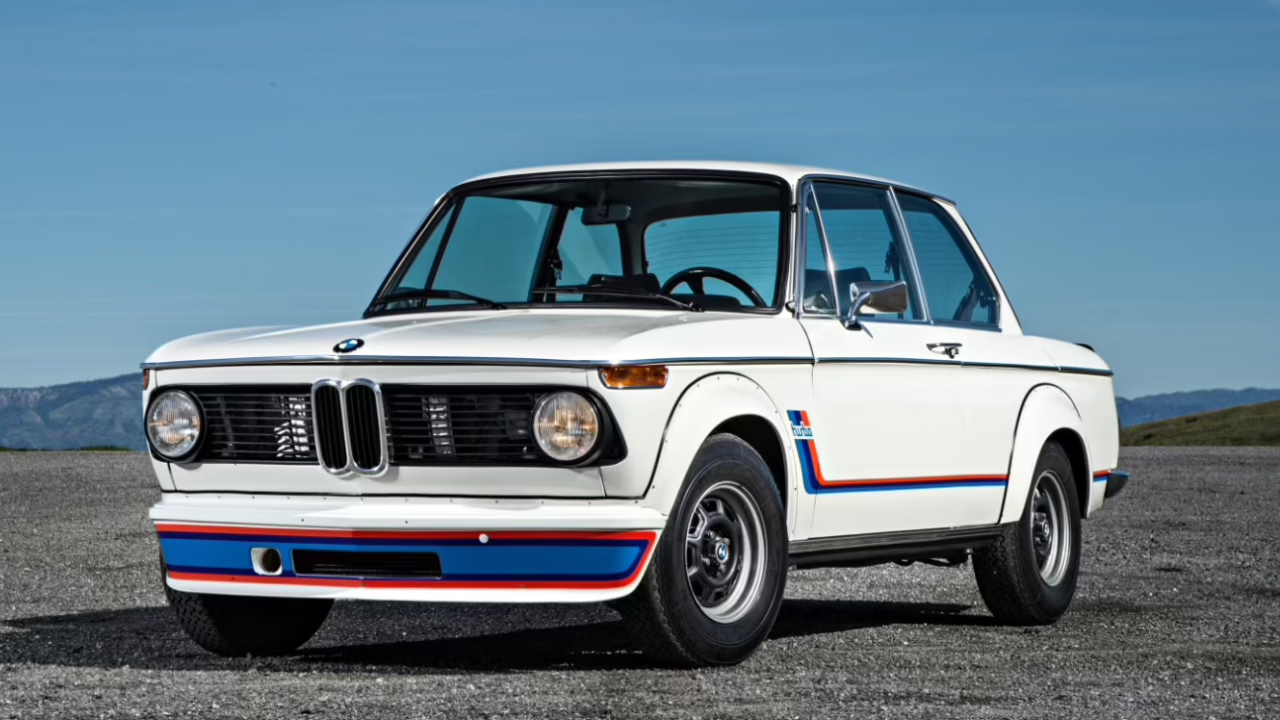
BMW became one of the pioneers of turbocharging when it introduced the 2002 Turbo in 1973. The car is pretty much the epitome of ketchup effect. Floor the throttle, watch the revs build, wait for it, wait a bit more, waaaiiiit…. and then, all the power arrives at once.
While 170 hp and 181 lb-ft of torque don’t sound like much today, in those days, and with early 1970s tire technology, it was a handful if the conditions weren’t right. The 2002 Turbo was a true BMW performance model before the M division was created, and it had an aggressive, wide arch body kit and BMW’s tricolor decals.
1994 E36 BMW M3-R — 15 Units
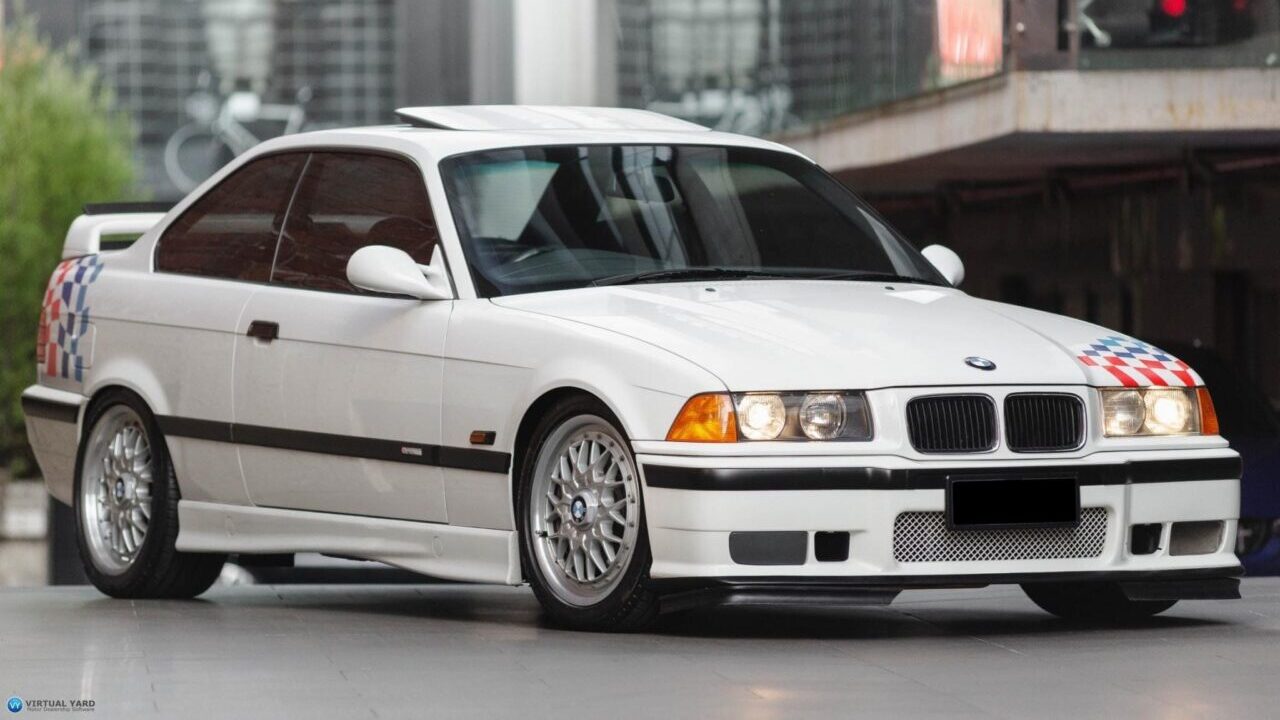
The E36 M3-R is one of the rarest BMW road cars ever, and easily the most hardcore version of the E36. Built exclusively for the Australian market in 1994, BMW Motorsport produced just 15 customer cars (and a few additional prototypes) to homologate the model for Australian Super Production racing.
Power came from a heavily massaged version of the S50B30 engine, producing around 322 horsepower thanks to upgraded cams, revised pistons, and a reworked intake and exhaust. A strengthened clutch, shorter final drive, and racing-spec brakes transformed the car into a track weapon. Inside, the M3-R ditched luxuries like air conditioning, a radio, and even sound deadening to save weight. Recaro SR3 seats and Motorsport harnesses completed the track-focused cabin. Externally, the car received subtle aero tweaks and wore only Alpine White, making it look almost understated — until it started moving.
1992 E34 BMW M5 “20 Jahre BMW Motorsport” — 20 Units
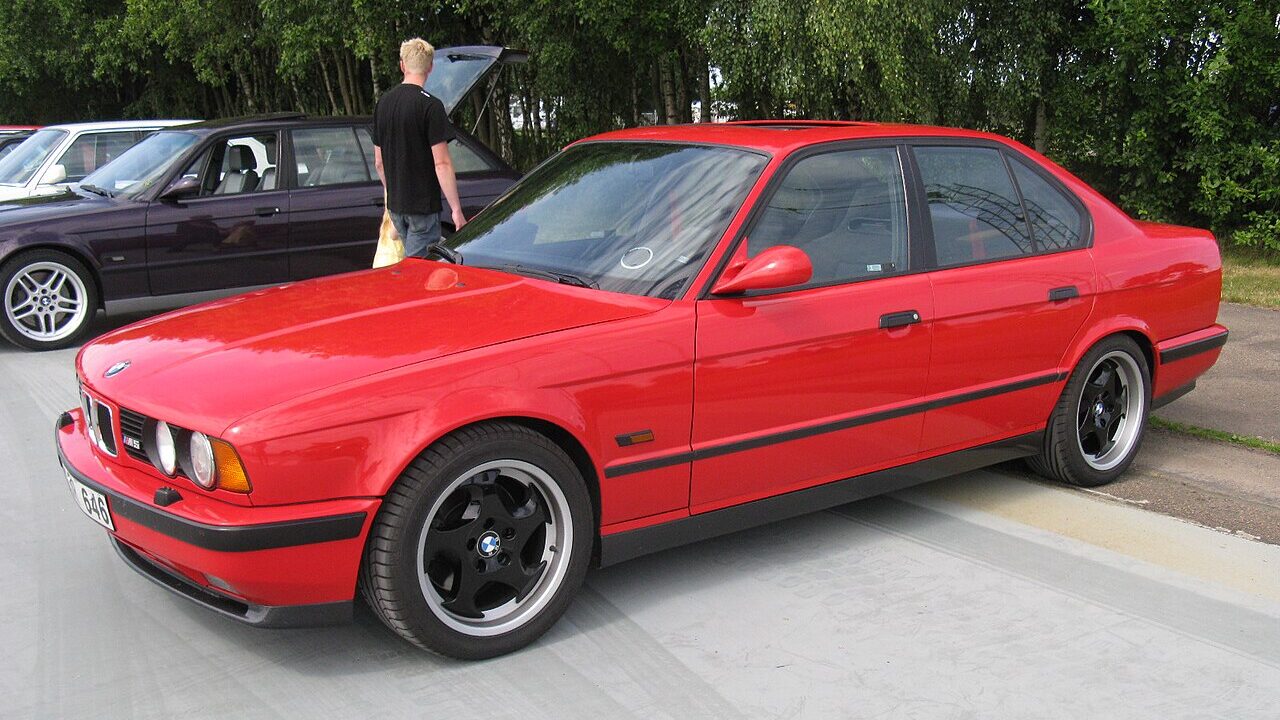
In 1992, BMW celebrated the 20th anniversary of BMW Motorsport GmbH with a hyper-limited run of E34 M5 specials. Appropriately, only 20 cars were built, making this one of the rarest M5s ever, rarer than many modern CS and CSL variants. Each example rolled out of Garching with a hand-built S38B36 straight-six.
The “20 Jahre” BMW M5 received unique paintwork (usually Mugello Red or Jet Black), special Motorsport exterior trim, and a numbered plaque on the dashboard. Inside, buyers got M-Technic cloth or Nappa leather, extended interior trims, and a steering wheel embroidered with a “20 Jahre” logo. Suspension tuning was sharper than the standard M5, and the cars received wider wheels and stickier performance tires. Among BMW collectors, this is an absolute unicorn and one of the most desirable modern classic M cars.
1973 E9 BMW 3.0 CSL “Batmobile” — 167 Units
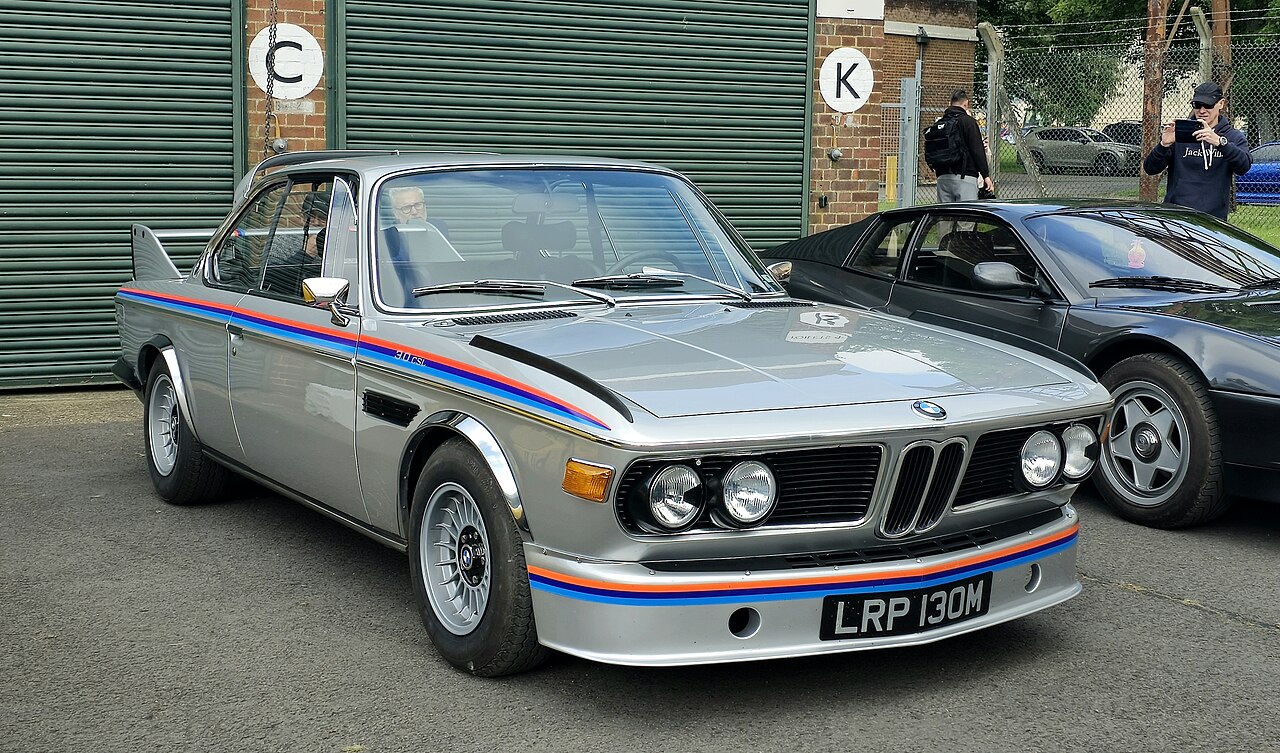
No list of rare BMW legends is complete without the original homologation hero, the BMW 3.0 CSL, nicknamed the “Batmobile” thanks to its outrageous aero kit. Built from 1973 onward in extremely limited numbers, the CSL (Coupé Sport Leichtbau) was designed explicitly to dominate European Touring Car racing, which it absolutely did for years.
To achieve homologation, BMW stripped the standard CS coupe of weight, using thinner steel, aluminum body panels, and Perspex windows. Later versions received the now-iconic aero package: a massive rear wing, front air dams, fender strakes, and a tall roof spoiler. It was so aggressive that the giant rear wing wasn’t even legal to run on German roads and had to be delivered in the trunk. We have an entire article dedicated to the E9 BMW 3.0 CSL.
2022 G82 BMW 3.0 CSL — 50 Units
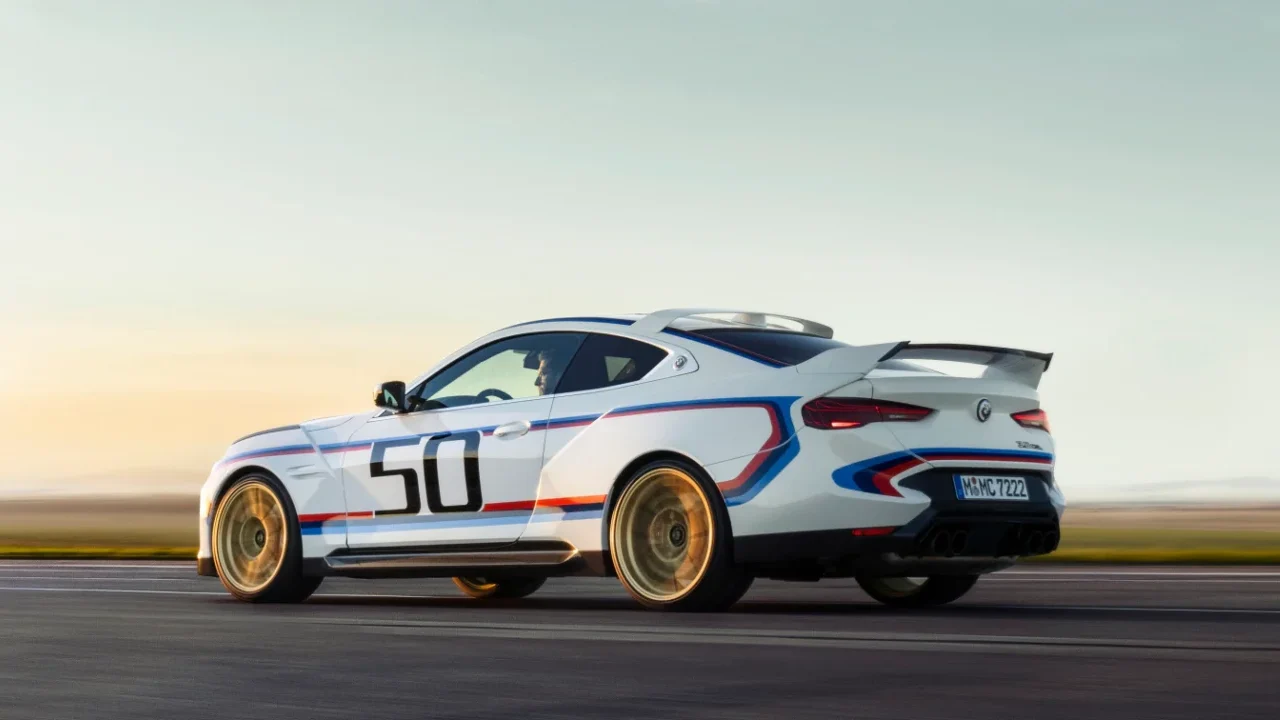
To pay tribute to the legendary 1970s CSL, BMW launched the 2022 BMW 3.0 CSL, a modern reinterpretation of the Batmobile and one of the rarest road-legal BMWs ever made. Production was capped at a symbolic 50 units worldwide, each hand-built over 30 labor-intensive stages.
The G82-based 3.0 CSL featured the most powerful inline-six ever fitted to a BMW road car: a 560-horsepower S58 engine paired exclusively with a six-speed manual transmission and rear-wheel drive. The gearing was shortened, the limited-slip differential recalibrated, and the traction systems fine-tuned specifically for CSL duty. However, the biggest magic is visual and structural. The car wears a fully reworked carbon-fiber body, unique fender sculpting, a Batmobile-inspired rear wing, and completely redesigned front aero.
1978 E26 BMW M1 — 399 Units
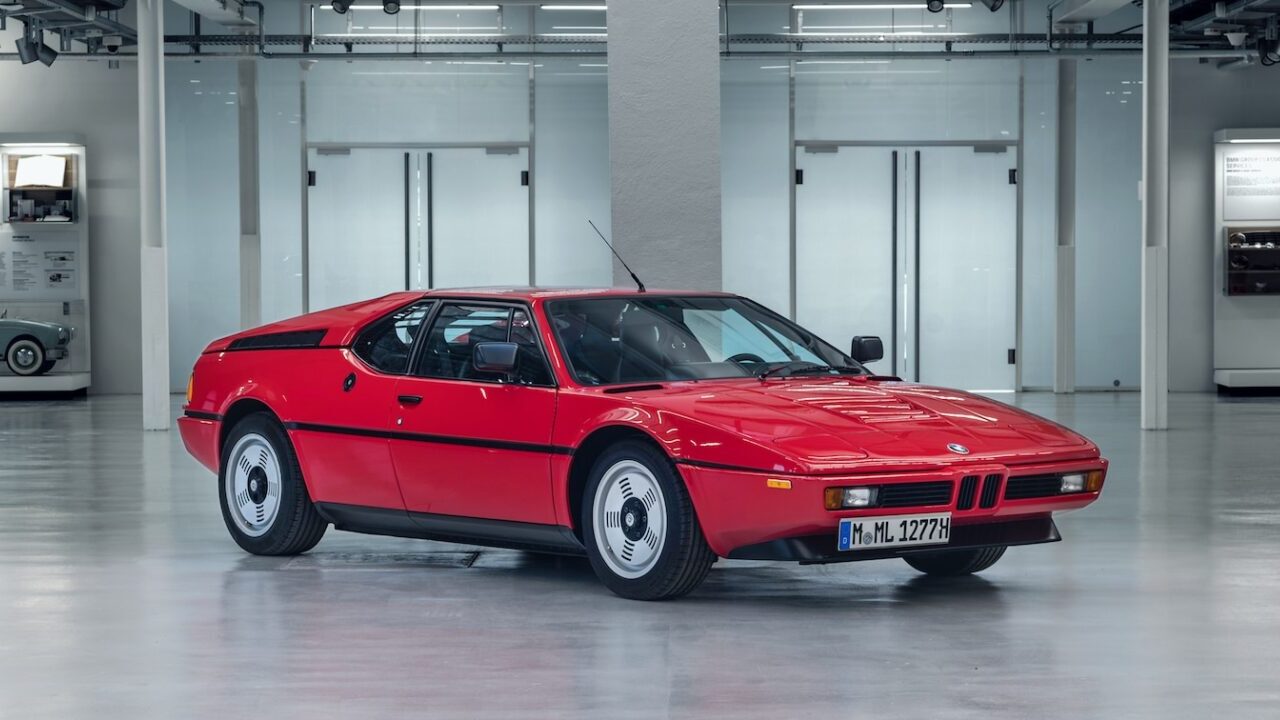
The BMW M1 is the car that created BMW M as we know it. Built from 1978 to 1981 in collaboration with Lamborghini (before the Italians bailed out of the project), the M1 was BMW’s first mid-engined supercar and remains one of the most iconic vehicles ever to wear the roundel. Its chassis was a Giugiaro-shaped wedge with a tubular spaceframe, fiberglass bodywork, and a perfectly balanced mid-engine layout. Performance was remarkable for its time, but the M1 is remembered less for speed and more for its importance: it proved BMW could build a world-class supercar.
Powered by the legendary M88 3.5-liter straight-six, the M1 produced 273 horsepower in road trim and up to 470 horsepower in Procar racing form. The engine’s individual throttle bodies, mechanical precision, and motorsport character influenced BMW’s performance engines for decades, from the E28 M5 to the E46 M3.
2025 BMW M4 Nürburgring Edition — 53 Units
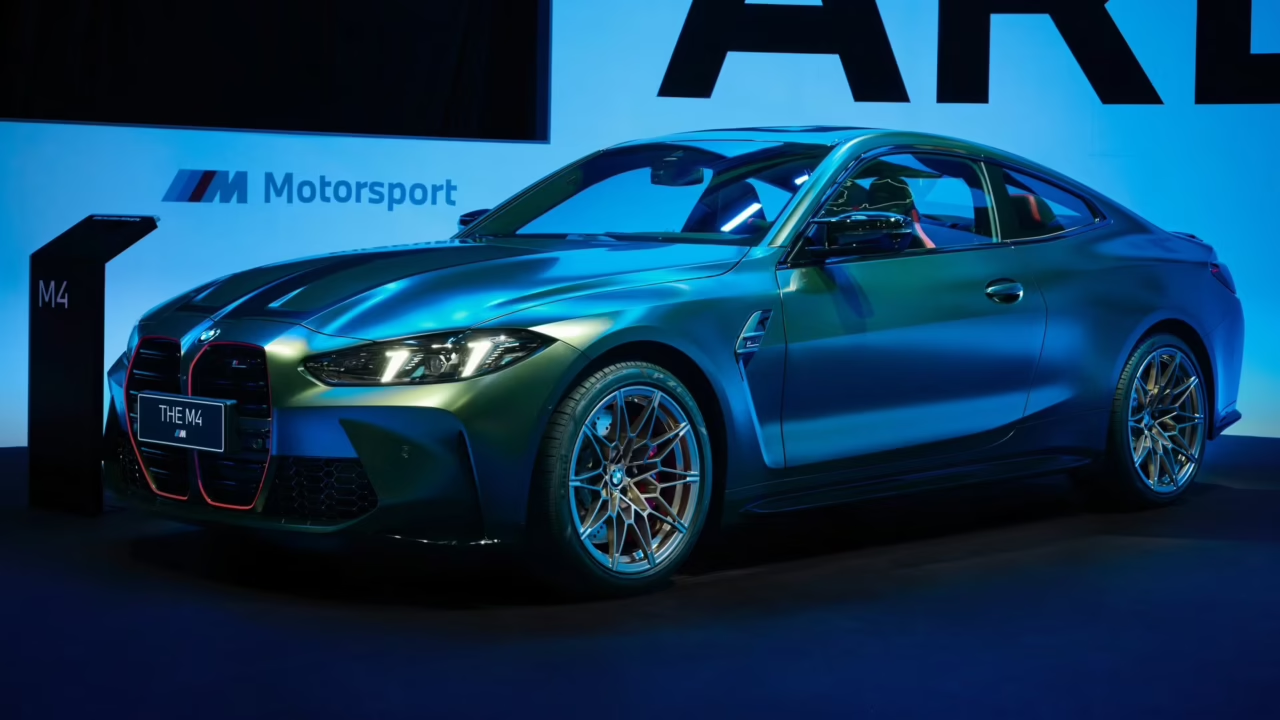
The BMW M4 Nürburgring Edition is so rare that even many BMW enthusiasts have never heard of it, probably because only 53 were ever built, and they were sold exclusively in China in 2025. Weirdly, for a car built for the Chinese market, this was a carefully curated M Performance–enhanced M4 built to honor BMW’s deep motorsport heritage at the Nürburgring Nordschleife.
Mechanically, the car retained the standard S55 twin-turbo inline-six, but BMW fitted a titanium M Performance exhaust, adjustable M Performance coilovers, and revised aero pieces to sharpen handling and feedback. The bodywork included a unique carbon-fiber front splitter, rear diffuser, mirror caps, and a lightweight rear spoiler. Special paint finishes combined with serialized Nürburgring badges helped emphasize its exclusivity, and inside, owners received limited-edition interior trim with carbon, Alcantara, contrast stitching, and an engraved build number.
1976 E12 BMW 530 MLE — 110 Units
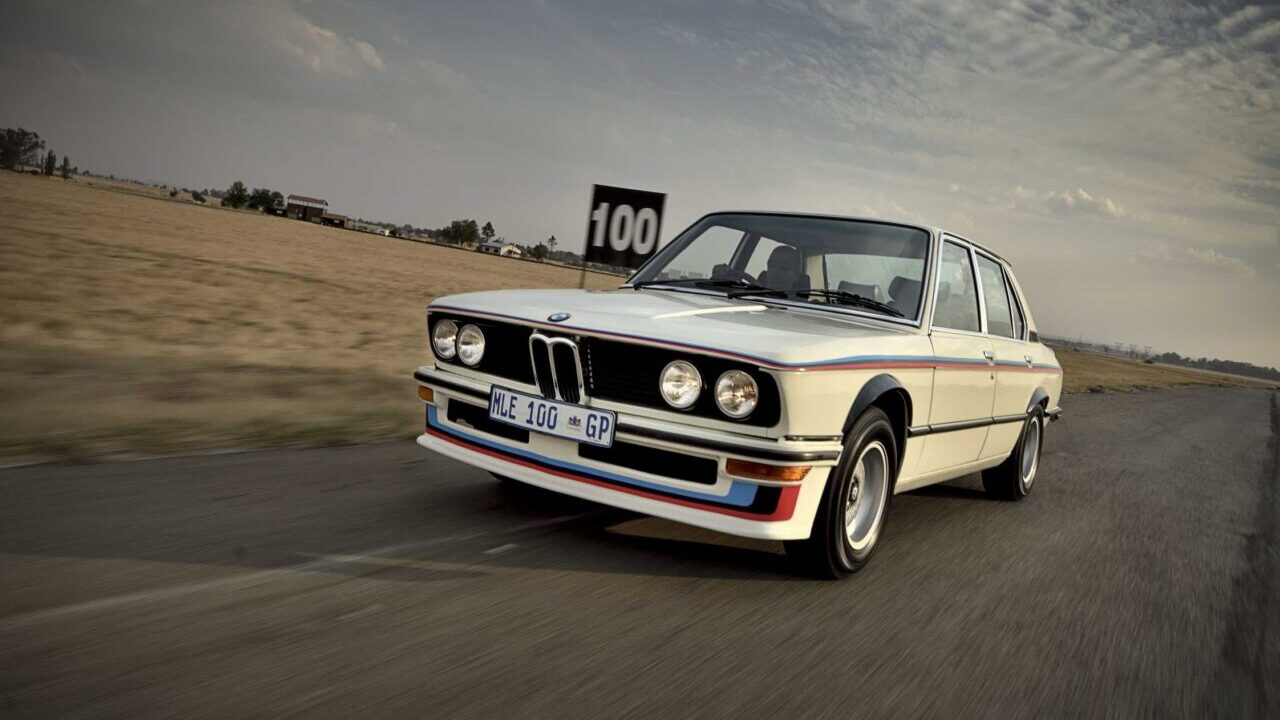
Before the M1, before the E28 M5, before the M3, BMW built the 530 MLE, a South African homologation special that quietly became BMW Motorsport’s first true M sedan. Produced in 1976–77, the 530 MLE (Motorsport Limited Edition) is one of BMW’s coolest historical oddities, yet few enthusiasts outside South Africa know it exists.
To homologate the car for Modified Production racing, BMW South Africa produced 110 road-going units (and 117 race cars). Each car featured a blueprinted 3.0-liter straight-six producing around 200 horsepower, paired with a close-ratio 5-speed gearbox. Weight was aggressively cut using thinner steel, drilled pedals, a lightweight flywheel, racing seats, and deleted trim pieces, making the MLE lighter than the later M5. The 530 MLE dominated South African motorsport, winning 15 consecutive races and becoming the most successful touring car in the region’s history.
2015 BMW 435i ZHP Coupe Edition (F32) — 100 Units
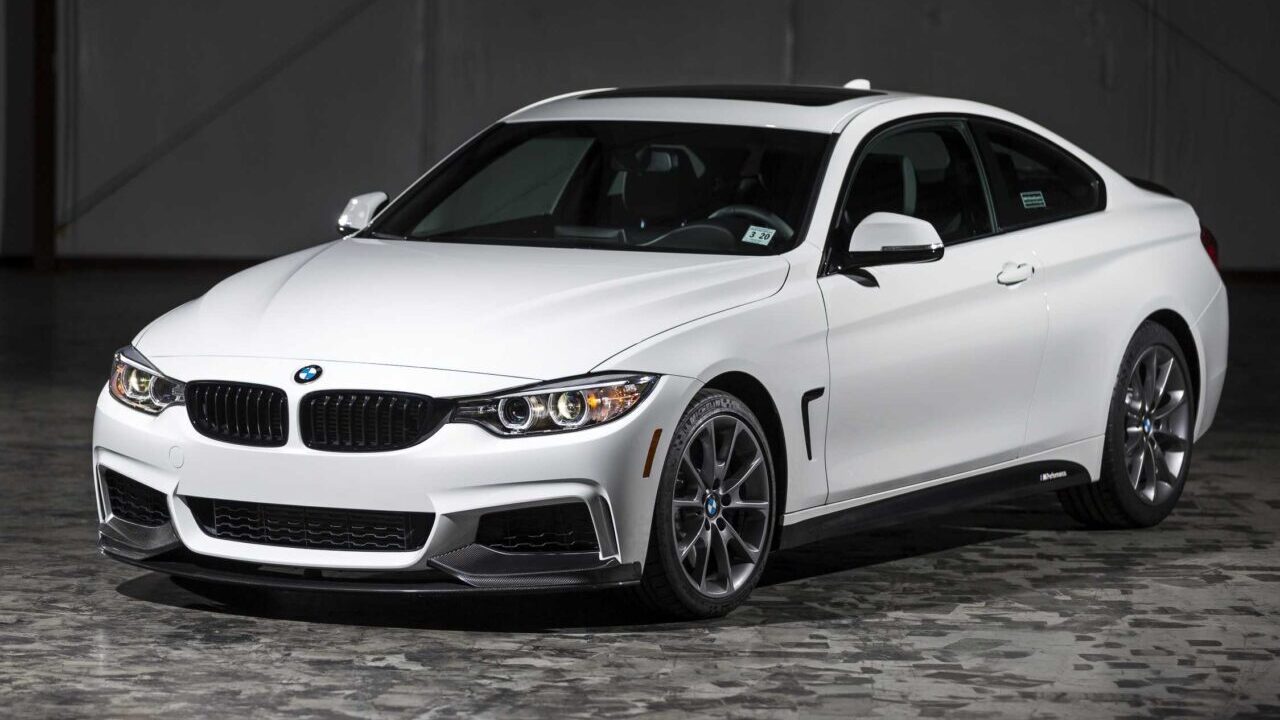
BMW revived the legendary “ZHP” moniker in 2015 with the 435i ZHP Coupe Edition, an ultra-limited production run of just 100 units for North America. While modern enthusiasts associate ZHP with the E46 330i Performance Package, the 435i ZHP was far rarer and much more performance-oriented.
This F32-based special received a factory-installed power kit pushing the N55 turbocharged inline-six to 335 horsepower and 332 lb-ft of torque, plus a freer-flowing M Performance exhaust. BMW also equipped it with the full M Performance aerodynamic package, including a carbon-fiber front splitter, rear spoiler, rear diffuser, and unique wheels. A revised M Performance suspension lowered the car and sharpened handling, while upgraded cooling hardware ensured durability during spirited driving. Inside, exclusive trim pieces, Alcantara touches, and serialized identification set it apart from standard 4 Series models. BMW never heavily marketed the 435i ZHP Coupe Edition, and for modern BMW fans, it represents one of the best-kept secrets of the F-chassis era.
Did you like this article?
Make sure you follow us on Facebook for more builds, guides, and car culture content.

