







The Z32 300ZX Twin Turbo was a monster straight out of the box. Its 3.0-liter DOHC V6 with twin turbos produced a whopping 300 hp and 283 lb-ft of torque in stock form.
Back then, that was enough to embarrass Supras and Corvettes, and it still feels properly quick today. However, we all know that the real magic of the VG30DETT is how well it responds to tuning. With the right mods and good maintenance, 400–500 hp at the crank (or ~350–450 whp) is very achievable on stock internals, and far beyond that is possible with upgraded parts and fueling.
This guide walks through:
- Sensible power stages
- Reliability must-dos before turning up the boost
- Recommended supporting mods (fueling, cooling, suspension, brakes)
- The safe limits of stock turbos and internals
Think of it as the performance-focused companion to our Nissan 300ZX buyer’s guide.
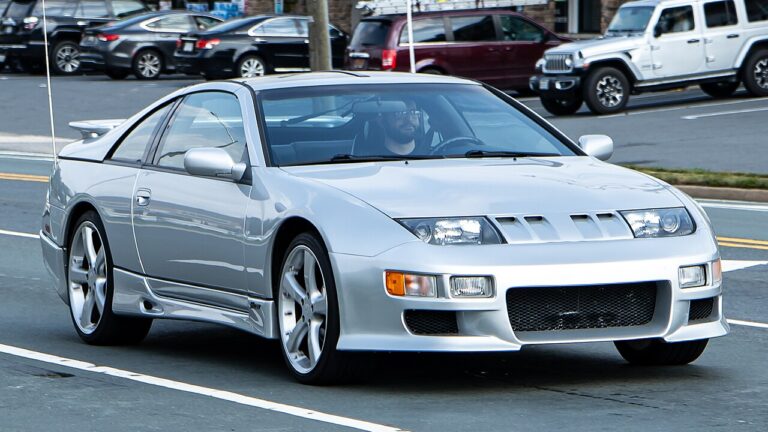
Before You Tune You Z32 Nissan 300ZX: Baseline & Reliability
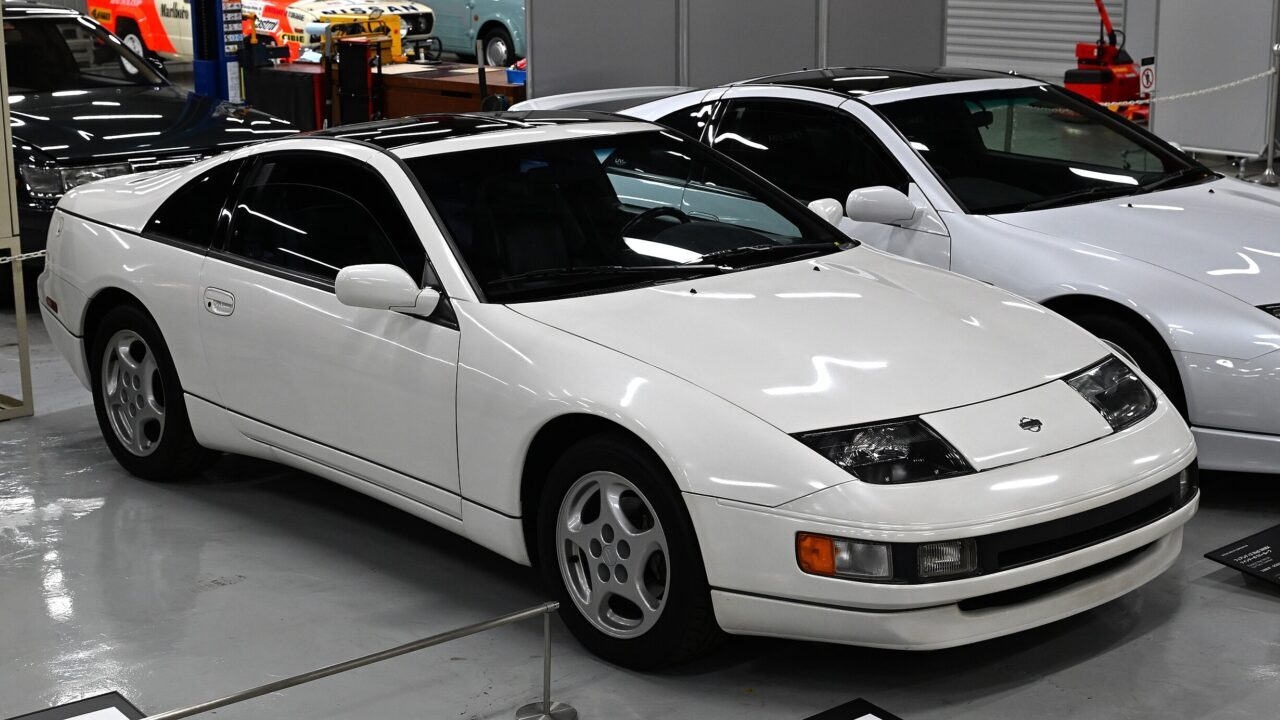
The worst thing you can do with a Z32 is bolt on power parts to a tired, unknown engine. These cars are now 30+ years old, and age and heat kill wiring, hoses, injectors, and sensors.
Before chasing numbers:
1. Full Health Check
- Compression test on all six cylinders
- Leak-down if you’re serious and considering big power
- Check for coolant and oil leaks around the water pump, cam seals, turbo oil lines, and radiator
- Inspect the engine wiring harness for cooked insulation and broken connectors (a known Z32 issue)
If compression is low or oil pressure is poor, fix that first. The VG30DETT is stout, but it’s not magic.
2. Timing Belt & Major Service
The VG30 is an interference engine, so if the timing belt breaks, the valves meet the pistons, and your day is ruined. Timing belts are due every 60,000 miles / 96,000 km or 4–5 years, including tensioners, idlers, water pump, and related seals.
If there’s no paperwork, assume it hasn’t been done and budget for a full 60k / 100k service kit.
3. Cooling System
The Z32 engine bay runs hot, especially on turbo cars. High temperatures under the hood can damage wiring, hoses, and ignition components.
Minimum cooling baseline before tuning:
- Fresh radiator in good condition (many owners fit quality aluminum radiators)
- Correct OEM-style clutch fan and shroud (cheap electric fans usually underperform on these engines)
- New coolant, thermostat, and all suspect hoses
- Make sure the plastic undertrays / shrouds are installed to direct airflow through the rad and intercoolers
4. Fuel System & Injectors
Early-style injectors are prone to failure with age; upgrading to later or modern replacements is both a reliability and tuning mod. Many tuners recommend upgrading injectors once you go beyond mild boost increases, as the stock 370 cc units are only really comfortable around stock power and modest boost.
Stage 0: NA Tuning Reality Check
The NA VG30DE makes about 222 hp and 198 lb-ft stock. It responds to breathing mods, but you won’t see turbo-car gains without forced induction. Typical bolt-ons:
- High-flow intake
- Cat-back exhaust
- ECU tune
You might pick up 10–20 hp at the wheels with a crisp throttle response, which is nice, but not transformative.
If someone wants serious power from an NA chassis, the usual options are:
- Turbo swap / full TT conversion (expensive, complex)
- Supercharger or turbo kit (rare, often custom)
For a tuning guide aimed at sane budgets, the Twin Turbo is the better platform.
Stage 1: Basic Bolt-Ons (Intake, Exhaust, ECU, Mild Boost)
This is where a healthy TT goes from “pretty quick” to “genuinely fast.”
1. Intake
A freer-flowing intake reduces restriction before the turbos. Popular solutions include “POP-charger” style cone filters with properly designed heat shields. Gains are modest alone, but they support later mods and sharpen spool.
2. Exhaust (Downpipes + Cat-back)
The stock exhaust is fairly restrictive. A larger-diameter turbo-back or at least upgraded downpipes and cat-back free up flow, reduce back pressure on the turbos, and help them make more power at lower boost levels.
3. ECU Tune
An upgraded ECU is essential once you raise boost. Tuned ECUs adjust fuel and ignition timing maps for higher airflow and octane, making the most of intake and exhaust mods while keeping the engine safe.
Tuning on these cars is often done via:
- Reflashed / daughterboard ECUs (JWT, Nistune, etc.)
- Standalone ECUs on more serious builds
4. Mild Boost Increase
Stock boost is around 9–10 psi. With full Stage 1 mods and a good tune, nudging this up to ~12 psi with a boost controller is generally considered a noticeable but safe increase on stock turbos.
Some tuners refer to this combination — intake + exhaust + ECU + moderate boost — as a “Stage 3” TT setup, typically yielding an extra 80–100 hp and around 280–315 whp depending on condition and boost.
Result:
A very quick street car that feels modern-fast, with strong mid-range and 0–60 mph times deep into the 4–5 second range, depending on tires and driver.
Stage 2: Cooling, Intercoolers & Supporting Mods
Once you’ve done the basics, the limiting factors start to become intake temperatures, injectors, and the efficiency of the small stock turbos.
1. Intercooler Upgrades
Stock side-mount intercoolers can quickly heat-soak when you run more boost or drive hard in hot weather. Aftermarket SMICs with larger cores and better end tanks improve charge cooling and reduce knock risk.
Some extreme builds convert to a large front-mount intercooler, but this requires more custom work and may affect airflow to the radiator.
2. Fuel Injectors & Pump
The stock 370cc injectors and fuel pump are generally considered safe up to roughly stock turbo limits (~14 psi and ~350–380 whp), but beyond that they run out of headroom.
For mid-400 whp builds, popular upgrades include:

- 550–740 cc injectors (Nismo, DeatschWerks, etc.)
- High-flow fuel pump
- Upgraded fuel rails and lines on more serious builds
3. Boost Targets on Stock Turbos
There’s some variation in what different tuners consider “safe,” but a common guideline is:
- Stock everything: 9–10 psi
- With intake, exhaust, intercoolers, ECU: 12–14 psi as a sensible street setup
Older ceramic turbos don’t love high sustained boost — some sources suggest going beyond ~15 psi on stock turbos risks pushing them outside their efficiency range and raising failure risk.
Result:
A strong 380–420 hp package (crank) that still uses stock turbos, but with much better consistency and reliability under hard use.
Stage 3: Turbo Upgrades & 450–600+ HP Builds
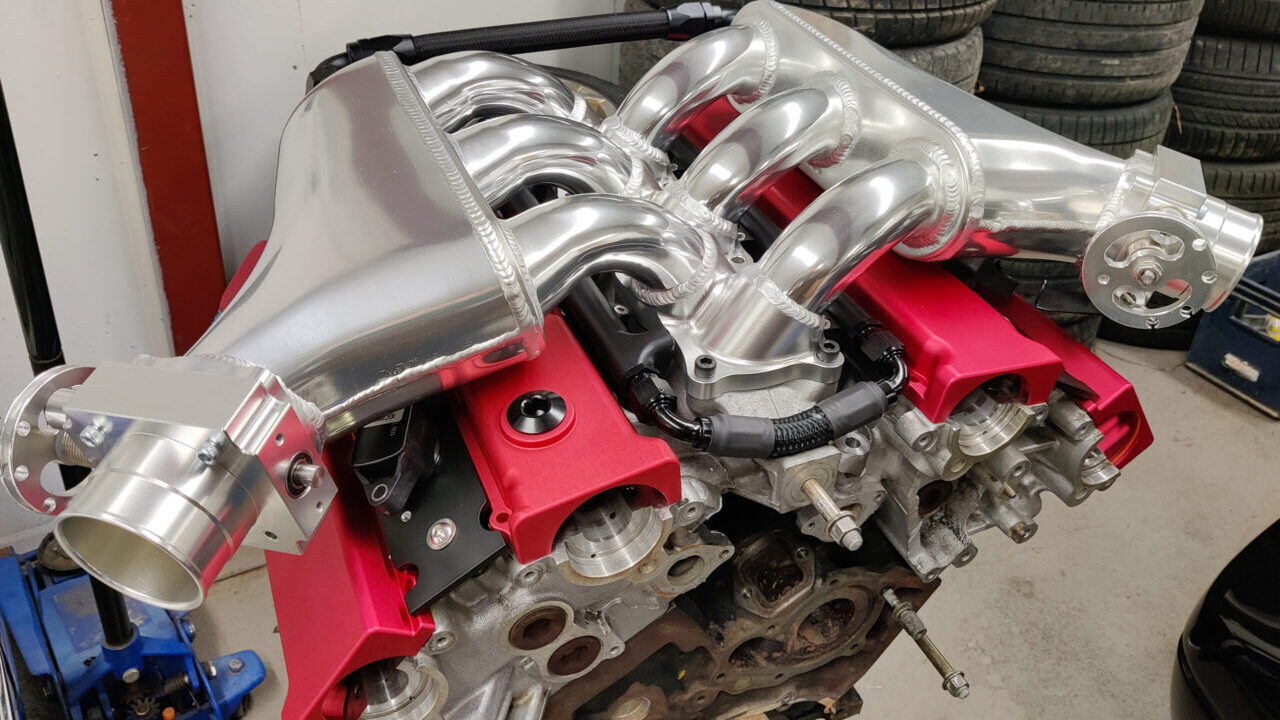
If you want serious power — think 450+ whp — you’ll need upgraded turbos and supporting hardware.
1. How Much Can the Stock Bottom End Handle?
Z32 communities and tuners routinely report stock VG30DETT internals surviving 500–550 whp with good tuning, thanks to strong factory rods and decent pistons.
For 600 whp and beyond, forged pistons are usually recommended, with ARP head studs and fully refreshed gaskets.
2. Turbo Options
Aftermarket turbos range from mild “stock-frame” upgrades to full big-power kits. Examples:
- GT2560 / similar “500 hp” twins: Popular for street cars; good spool with strong top-end.
- VGX800 or similar kits from Z1: Capable of supporting up to ~800 hp with correct supporting mods, while maintaining reasonable response.
Whichever route you take:
- Match turbo size to your power goal and intended use (street vs drag vs track).
- Ensure manifolds, downpipes, wastegates and oil/water lines are high quality — turbo failures are often caused by heat and poor oiling, not just boost pressure.
3. Supporting Mods for Big Power
For 450–600+ hp builds, you’ll want:
- Large injectors (e.g., 740 cc) and upgraded rails
- High-flow fuel pump(s) and regulator
- Front-mount or very large side-mount intercoolers
- Full 3.0″ turbo-back exhaust
- Standalone or fully programmable ECU (e.g., AEM, Haltech)
- Upgraded clutch and strengthened driveline hardware
At this level, a wideband AFR gauge, EGT, and at least boost & oil pressure gauges are a must.
Reliability Mods That Go Hand-in-Hand With Power
Whether big or small power increases, there are a few reliability upgrades most long-term owners recommend:
1. Better Radiator & Oil Cooling
- Alloy radiator and, on hard-driven cars, an oil cooler help keep temps under control.
- Make sure all factory ducting and shields are present so air is properly managed.
2. Catch Can / PCV System Upgrades
With more boost comes more crankcase pressure and blow-by. An oil catch can helps keep oil out of the intake and intercoolers, maintaining performance and reducing detonation risk.
3. HICAS Delete (Optional)
Super HICAS four-wheel steering works great when everything is fresh, but some owners find it unpredictable on old, worn systems and delete it for peace of mind on tuned cars.
Chassis, Suspension & Brake Tuning
More power only helps if the rest of the car can keep up.
Suspension
The Z32’s multilink setup is very good, but age kills bushings:
- Replace tension rod bushings (they’re often leaking and cause braking shimmy).
- Refresh control arm and subframe bushings where needed.
- Fit quality coilovers or performance shocks/springs matched to your use (street, track, drift).
- A properly set-up Z32 can run very wide tires — up to 255 front and 285 rear on the right wheel specs.
Brakes
Even stock, the TT got more serious brakes than the NA (thicker rotors and stronger calipers).
For tuned cars:
- Use quality performance pads, fresh rotors, and stainless lines
- Consider bigger brake kits if you’re tracking the car or running high power regularly
The Z32’s brakes were praised for fade resistance when new; with modern consumables, they’re even better.
Tuning Philosophy: Fast vs. Fun vs. Survivable
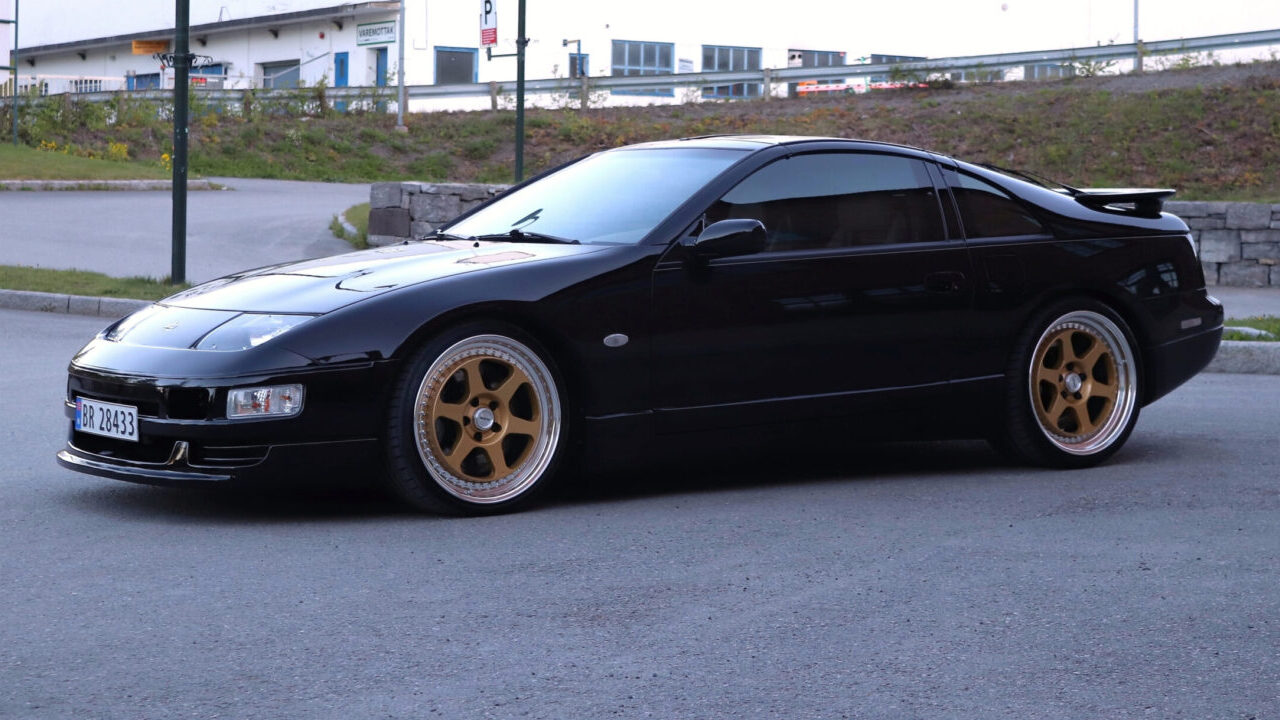
You can absolutely build a 600+ hp 300ZX that eats supercars, but for most owners, the sweet spot is a well-sorted 350–450 whp twin turbo with:
- Stage 1/2 breathing mods
- Good intercoolers
- Modest boost on stock or mild turbos
- Refreshed cooling, suspension, and brakes
This kind of car still feels brutally fast on the street, but it’s far less likely to scatter rods or melt wiring harnesses. Check out Tor Håkon’s 300ZX with over 400 whp if you want some inspiration.
Key principles:
- Maintenance before mods.
- Cooling and fueling before boost.
- Handling and braking before drag racing.
- Quality parts, not eBay specials.
Conclusion: Building the Right 300ZX for You
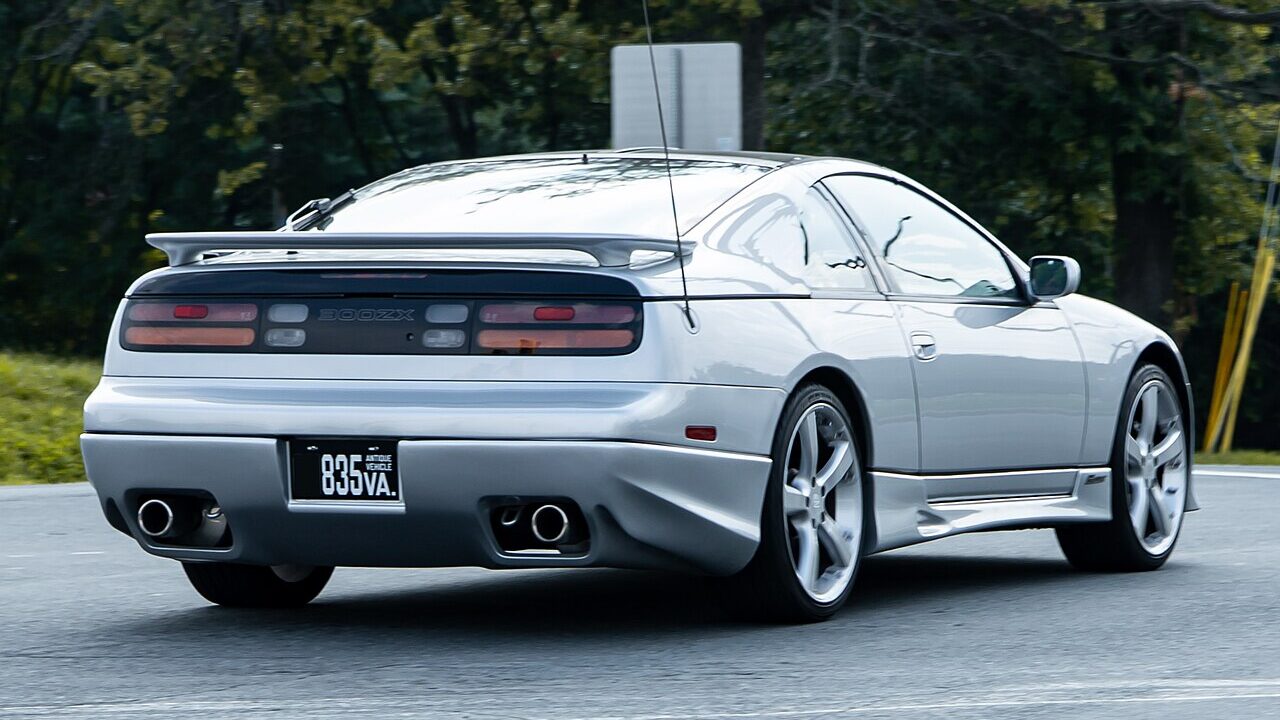
The Z32 300ZX is one of the great tuning platforms of the ’90s. Stock, it was a technological showcase. Tuned, it can be anything from a responsive 350 hp street car to an 800 hp highway missile.
The VG30DETT has the bones for serious power — forged rods, a strong crank, and a proven bottom end that can survive 500+ whp with the right support. However, you have to find a way to deal with heat, not to mention upgrade bad wiring and old injectors, and stay on top of maintenance, as those are the enemies of a fast Z.
Get the fundamentals right, choose a realistic power goal, and build around it with proper cooling, fueling, and chassis mods, and your 300ZX will deliver exactly what the engineers intended back in 1989:
A car that feels just as at home flat-out on a back road or highway pull as it does cruising with the T-tops off at sunset.
Did you like this article?
Make sure you follow us on Facebook for more builds, guides, and car culture content.

