




German carmakers are known to make cars that are fun to drive, as most of them have at least a few driver-focused models in their portfolio.
While their cars do tend to cost more than a Japanese or American alternative, we’ve scoured the internet for affordable German cars that are tons of fun to drive, and we’ve found quite a few.
Granted, these cars may be a decade or two old, and maintaining them can sometimes be expensive, but at least it’s possible for the average Joe to buy them.
BMW Z3
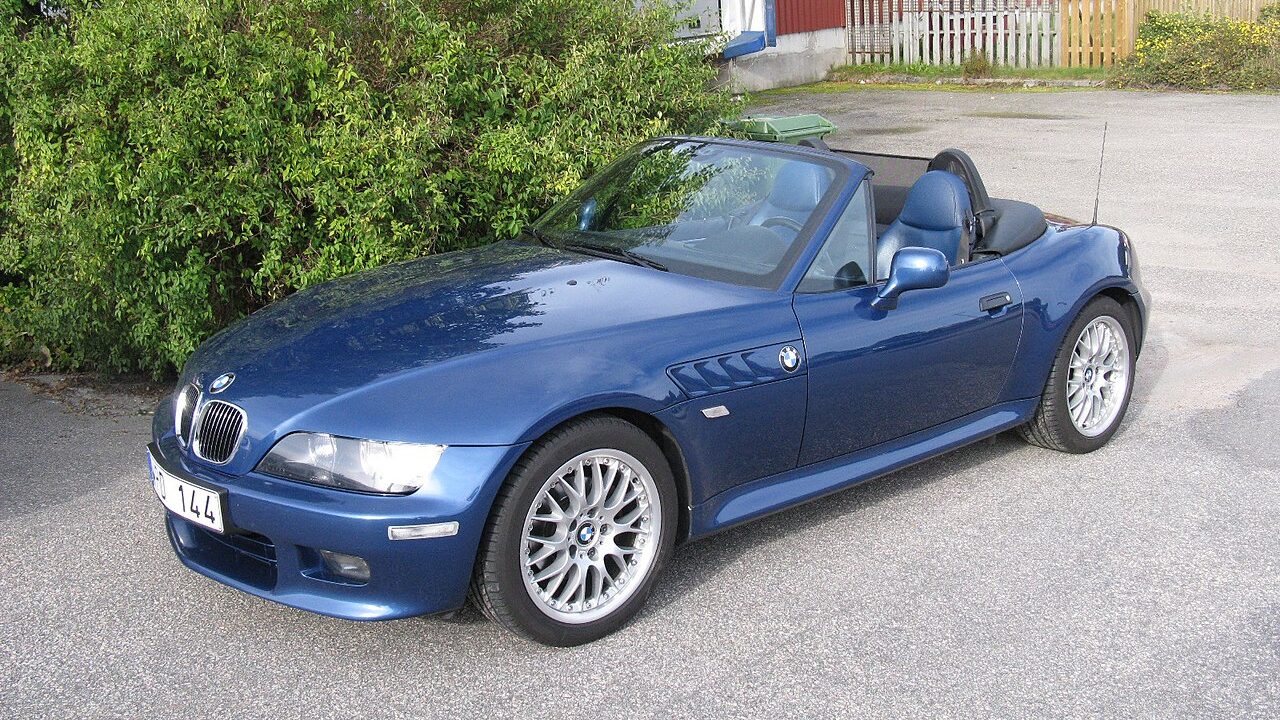
BMW introduced the little Z3 roadster in 1995, and during its production run, it was available with a choice of powerplants ranging from 1.8 liters to 3.2 liters. While the smaller capacity four-cylinder versions arguably offer better handling, they’re severely underpowered, so we’d opt for one of the six-cylinder versions.
The BMW Z3 can be picked up for a song these days, and while it’s not as nimble as the Miata, it’ll still put a smile on your face. Even James Bond drove one, and we all know he’s got style.
BMW Z4
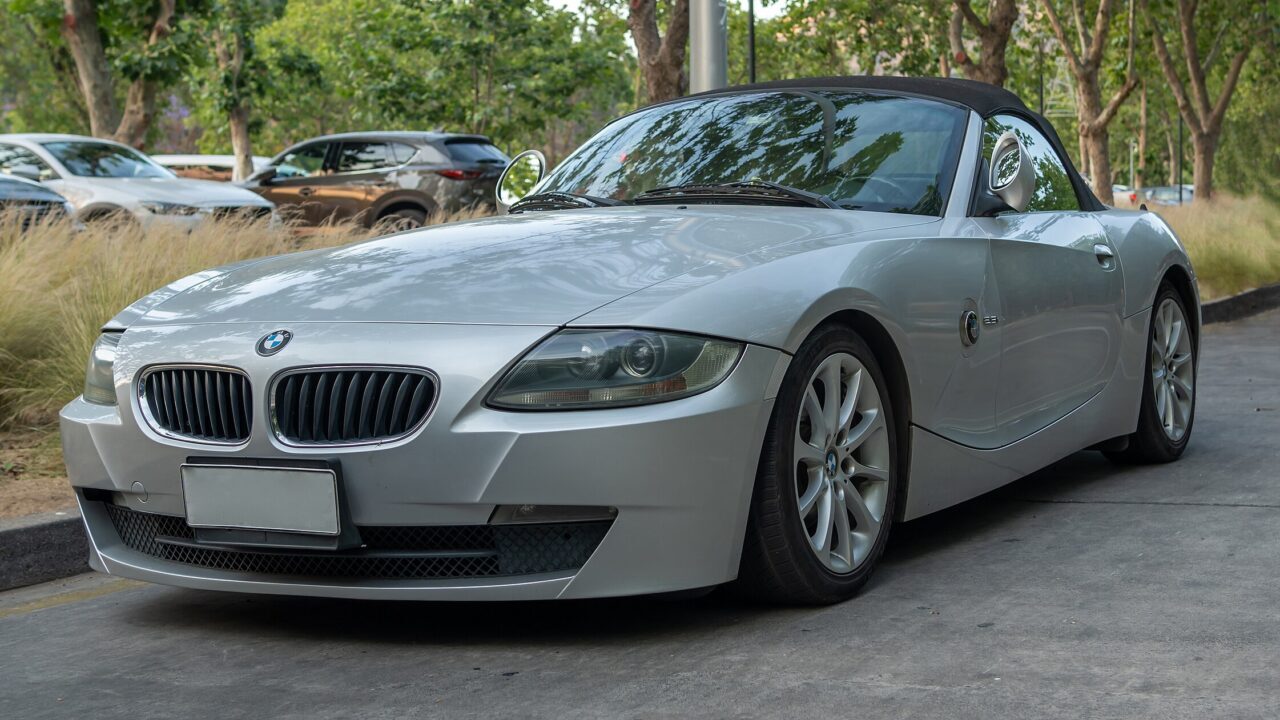
If for some reason the Z3 isn’t right for you, or if you have a slightly higher budget, the BMW Z4 could be what you’re looking for. It rides on a stiffer, more modern chassis and more advanced suspension than its predecessor, so many enthusiasts consider the Z4 to be a sharper driver’s car, even if the Z3 feels more old-school and raw.
BMW offered it with a range of engines, but we’d still stick with one of the six-cylinder units, preferably one that’s mated to a manual transmission. If you don’t have the urge to row your own gears, the Z4 was also available with automatic options.
BMW 335i
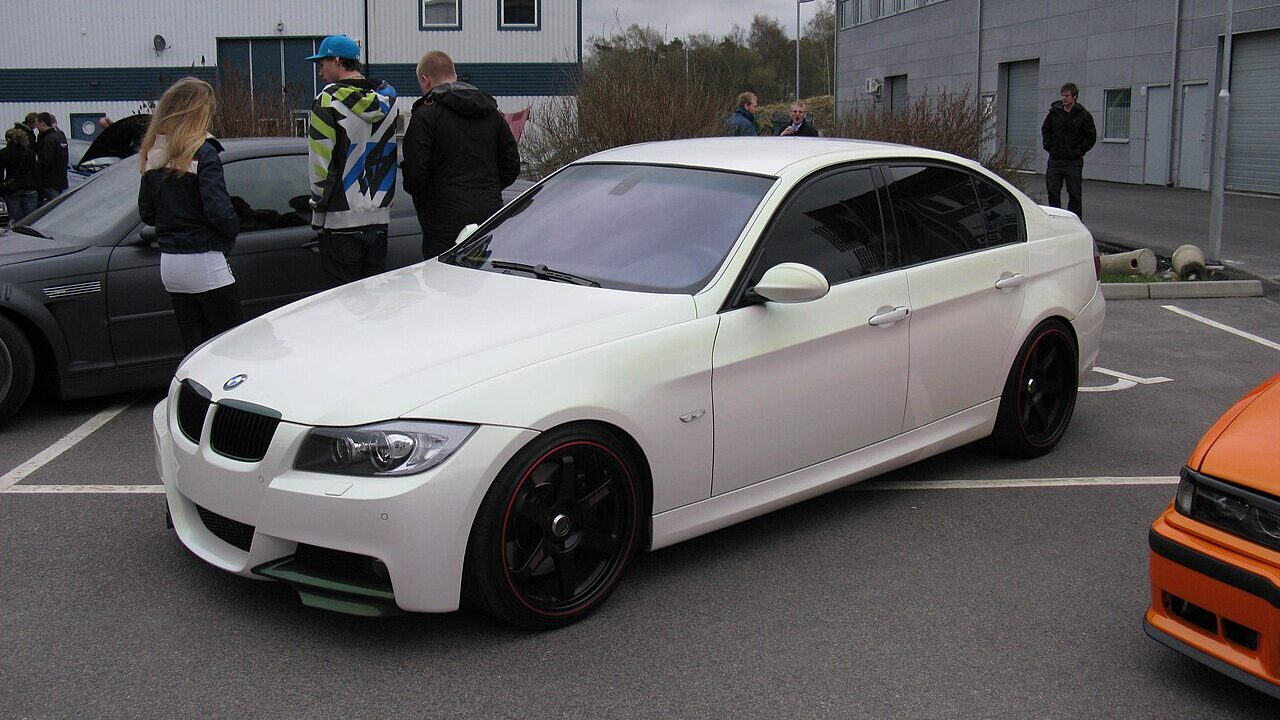
Those who’d like a car from Bavaria, but need something a bit more practical than an open-top two-seater sports car, should look into the E9X BMW 335i.
Available in both 2- and 4-door form, and with a usable rear seat, the 335i can be a sensible everyday car that doubles as a weekend toy. There are concerns regarding the engine’s reliability, but if it’s cared for and properly maintained, it’ll last for a long time — just avoid examples that have spent the last couple of years bouncing off the rev limiter.
Porsche Boxster 986
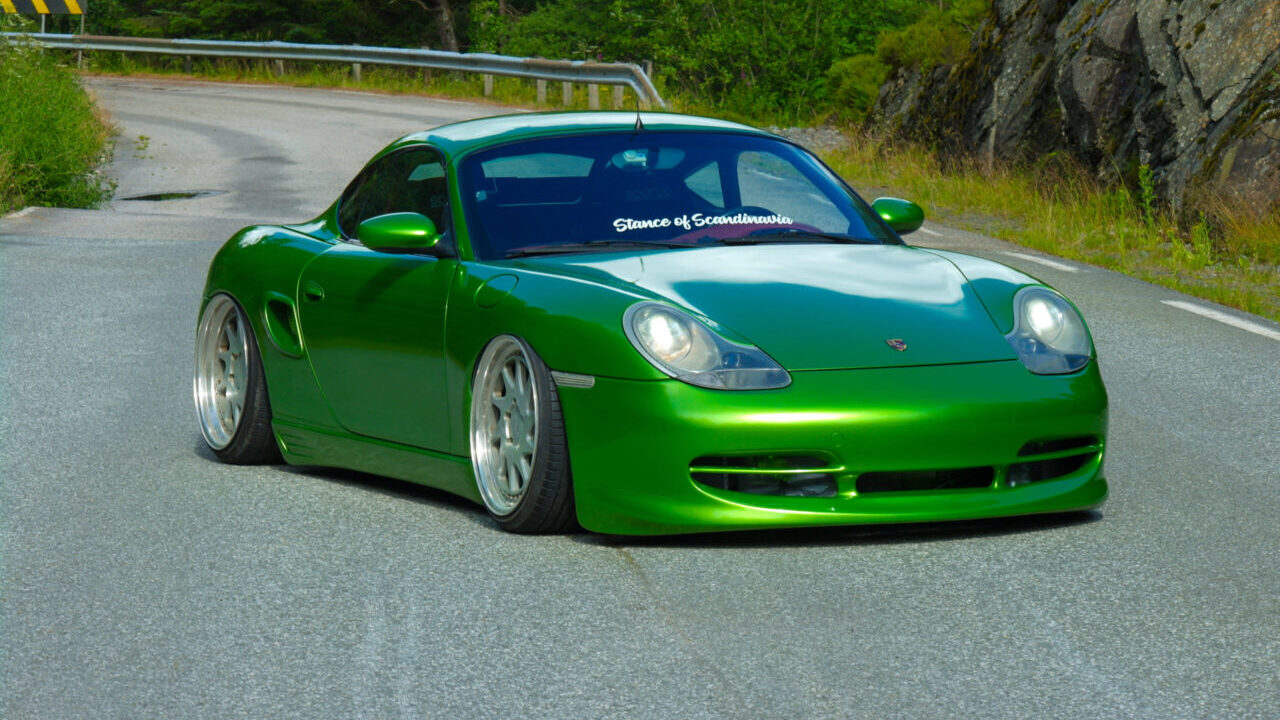
Another German sports car with a questionable engine. Yes, the 986 Porsche Boxster does suffer from the dreaded IMS issue, but independent data suggests a failure rate in the low single digits for some years and higher for others. Many cars have had IMS upgrades or engine work, but you should verify this on the specific car and budget for a pre-purchase inspection by a Porsche specialist.
Once that’s taken care of, the first-gen Porsche Boxster will give you endless amounts of driving pleasure. The 2.5-liter engine in the base model is a bit underpowered, so you may want to look for the 2.7-liter or the top-of-the-line 3.2-liter Boxster S. That said, they’re all great options for those in the market for an affordable mid-engine sports car.
Porsche 944
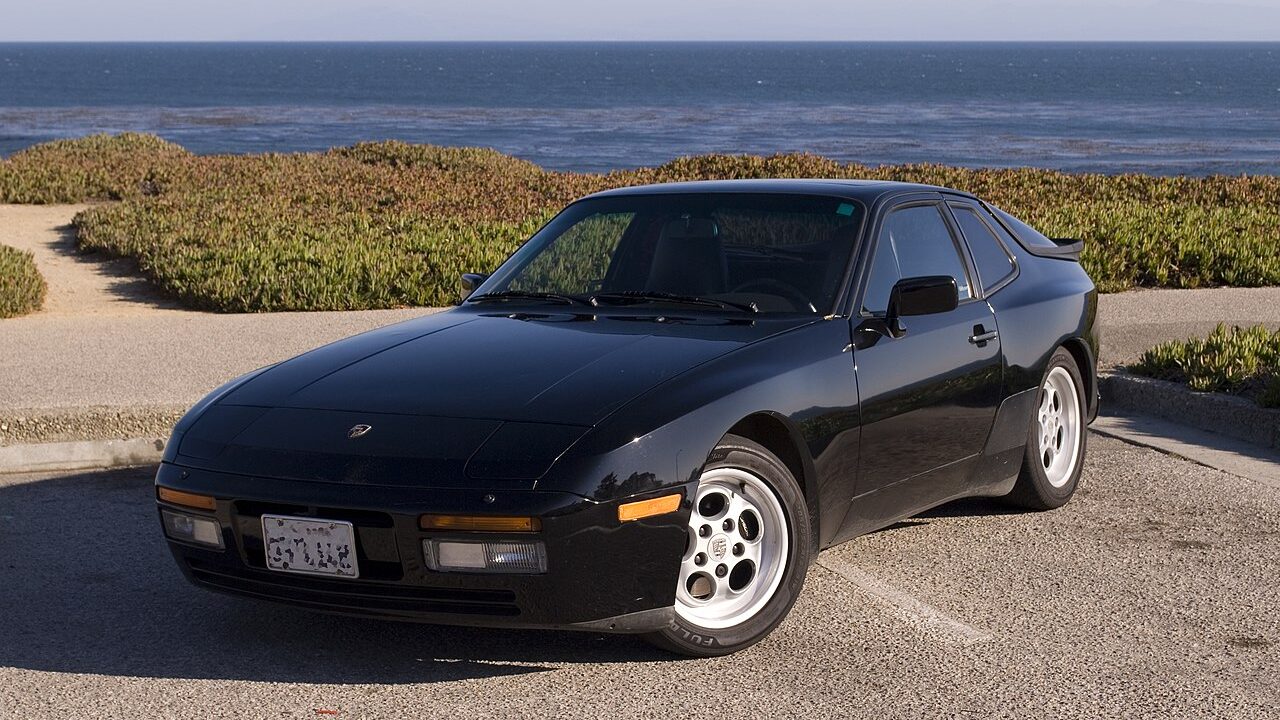
As classic Porsche 911 prices skyrocketed out of reach for most enthusiasts, the 944 became a good alternative. However, as more people are turning to the water-cooled, front-engined Porsche, its prices are now on the rise.
While the Turbo version isn’t really affordable anymore, it’s still possible to find a great naturally aspirated example for sensible money. That probably won’t be the case much longer, though, so if you want one, now is the time to buy.
Audi TT
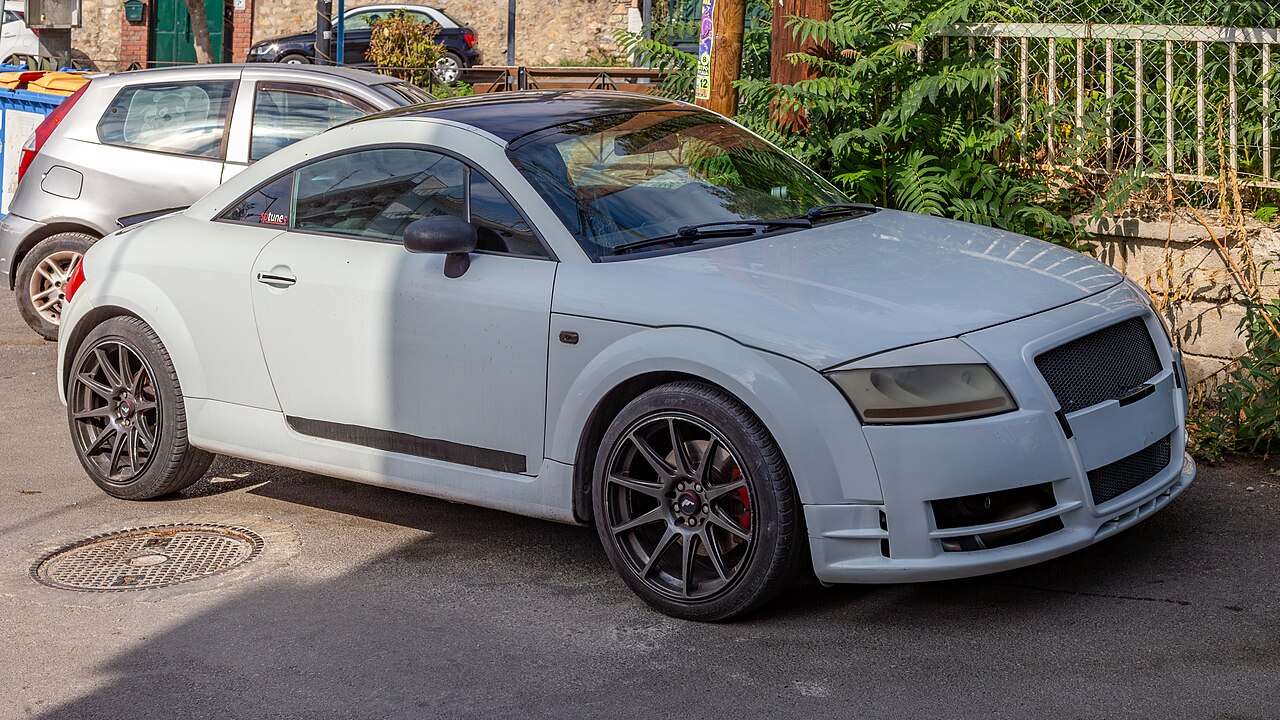
Audi introduced the TT in 1998, powered by the now-legendary 1.8-liter turbo engine, and with the Quattro AWD system, this European sports coupe is a blast to drive, no matter the road conditions.
The first-gen Audi TT is cheap as chips right now, and it still looks stylish, 25 years after it first went on sale. If you want something a little more modern, even the second-gen TT can be picked up for a mere fistful of dollars.
Audi S3
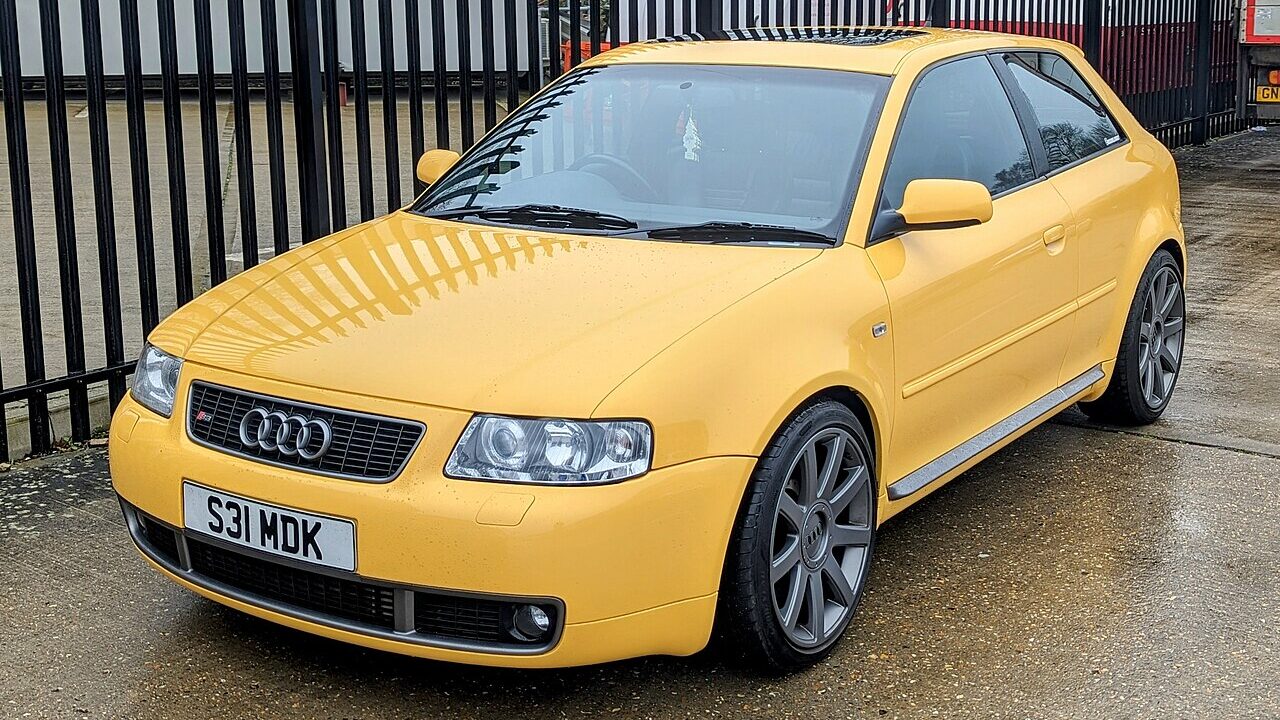
Granted, Audi didn’t sell the S3 in North America, but the first generation is now eligible for import under the 25-year rule, as it was launched in 1999. You don’t need to get one from Europe either, as it was sold new in Mexico. Although, if you want one from Europe, there are plenty available in the $5,000-$10,000 range right now, although the best examples command a fair bit more.
Built on the VW Golf platform, had the same turbocharged 1.8-liter as the Audi TT and used a Haldex AWD system, although it was still branded as Quattro. With 222 hp in such a small car, you’re bound to have a good time.
Audi A4 2.0T Quattro
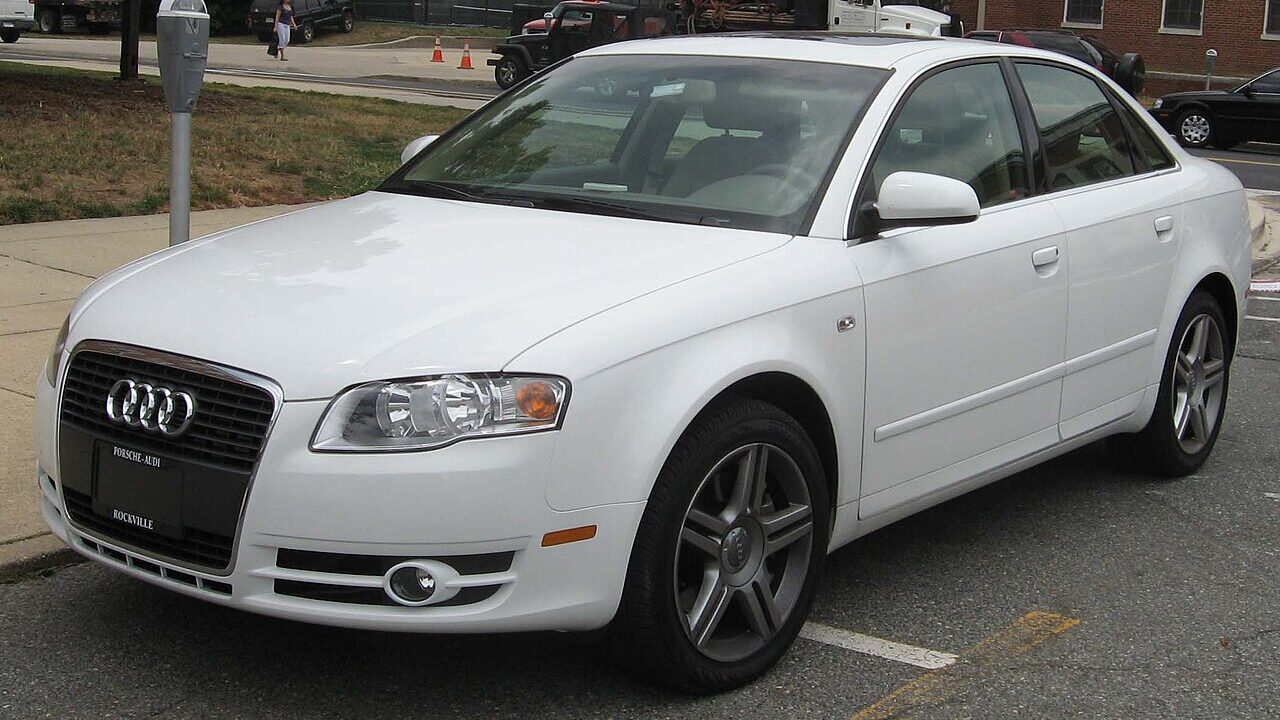
The B7 Audi A4 was introduced in 2004 and lasted until 2008. It was actually a heavily updated B6, not a brand-new model from the ground up. That’s irrelevant, though, as it’s still an excellent car.
Depending on the market, it was available as a wagon, sedan, and cabrio. The sedan is the perfect compromise between practicality and pure fun, and with the 197 hp 2.0-liter engine and Quattro AWD, it’s a blast on the open road — even when it’s covered in snow.
Mercedes-Benz SLK
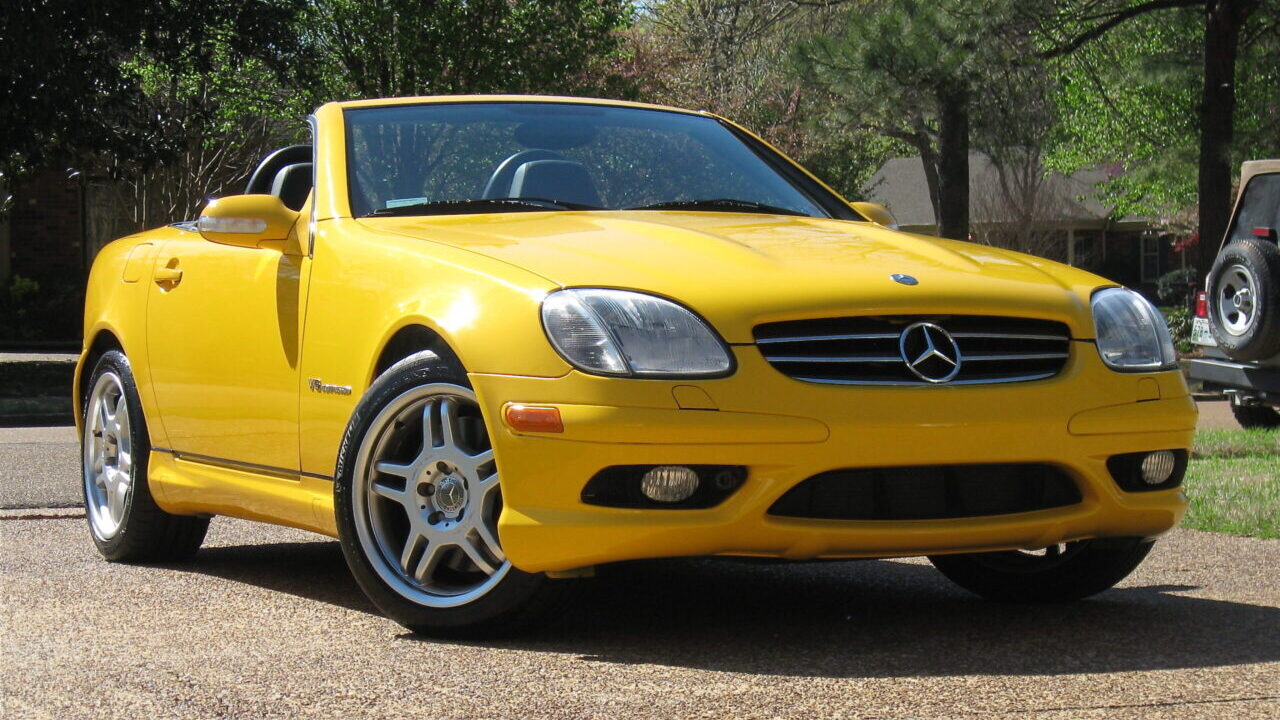
Mercedes-Benz sold over 300,000 first-gen SLKs from its introduction in 1995 until production ended in 2004. Its design is a bit dated and not to everyone’s liking, but it’s still a solid sports car underneath.
The SLK was among the first cars to use a folding metal roof instead of a soft top, so it’s actually decent during winter as well. Supercharged 2.3-liter cars are common under $10,000. The rare SLK32 AMG usually costs more but can still be found for surprisingly reasonable money compared with other AMG models.
Mercedes-Benz C350 Sport
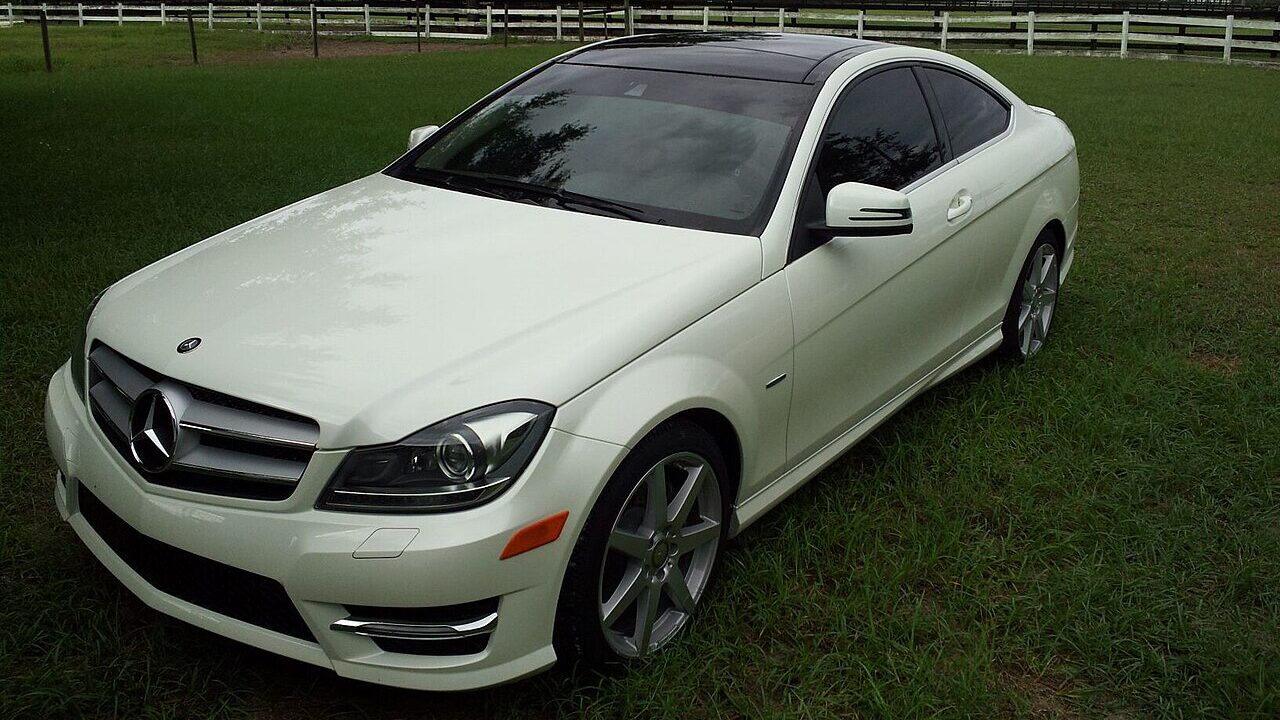
If you want a car with a three-pointed star on the grille, but the SLK is too impractical, the W204 C-Class is an excellent option. In C350 Sport guise, it had 268 to 302 hp, depending on the year. However, it was only available with a 7-speed automatic.
If you want a manual, you’ll have to sacrifice some power and look for a C300. With 228 to 248 hp, it’s by no means slow.
Volkswagen Golf GTI
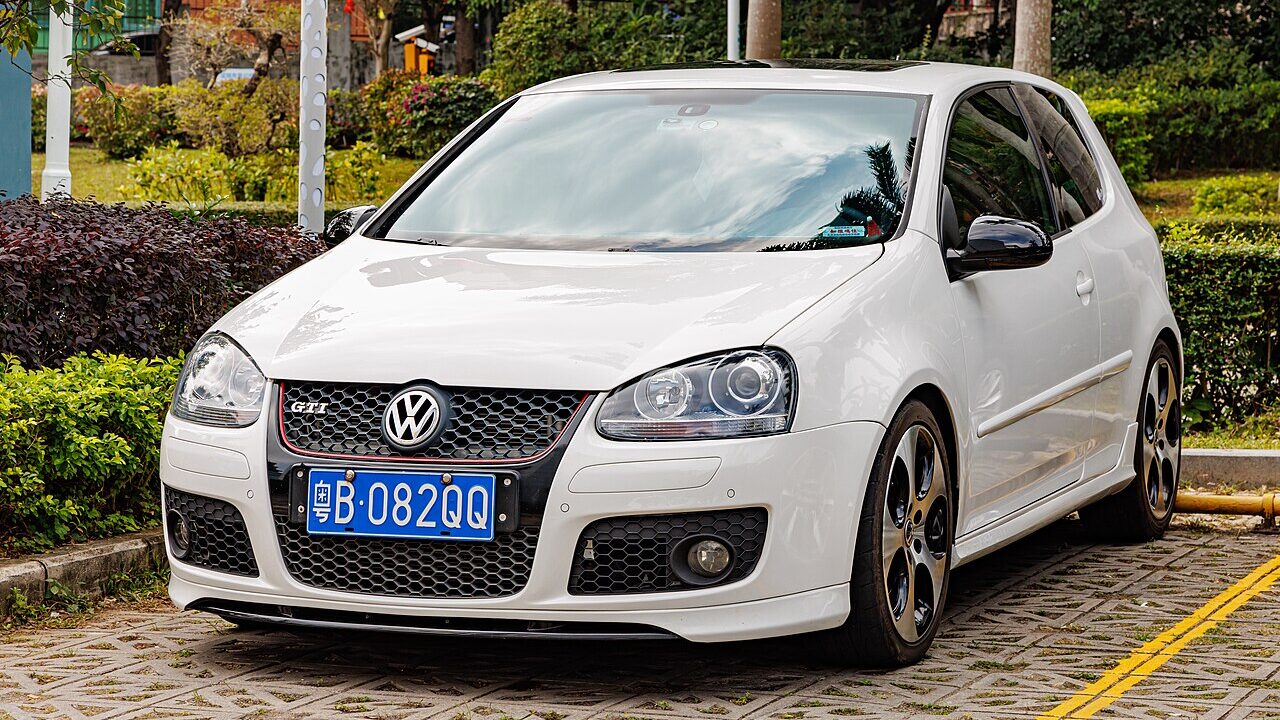
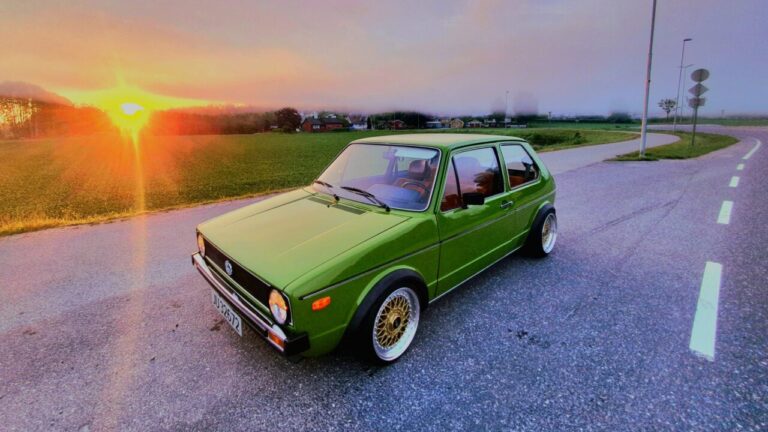
The Volkswagen Golf GTI has been around since the mid-1970s. While the early cars were excellent, they’re old, very basic, and cost a small fortune if you want one that’s in good condition. The third and fourth generations weren’t great, as they were bloated and underpowered.
What we want is a fifth or sixth-gen GTI. Both offer reasonably powerful engines and excellent driving dynamics.
Volkswagen Corrado
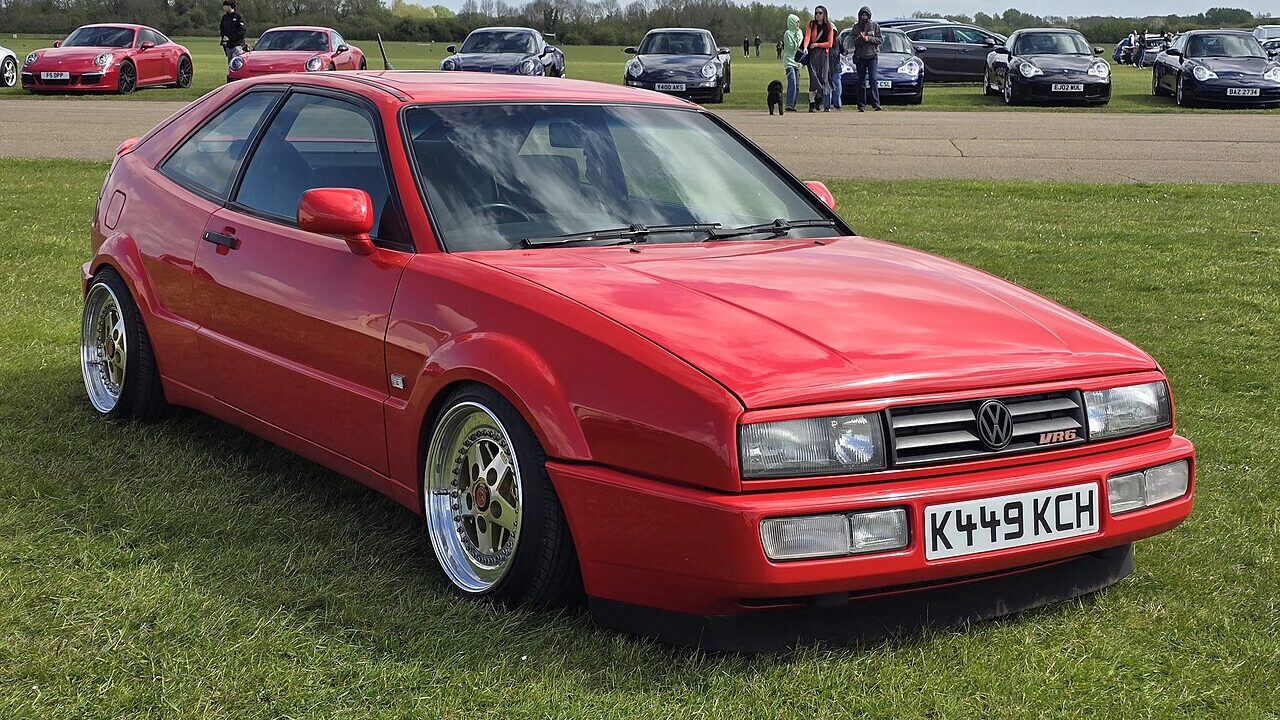
Volkswagen introduced the compact Corrado 2+2 coupe as a successor to the Scirocco, although there was some overlap where both models were sold at the same time.
It was offered with a selection of engines, ranging from naturally aspirated 4-cylinders to supercharged 4-cylinders and six-cylinder VR6 engines. No matter the engine, all the power was sent to the front wheels.
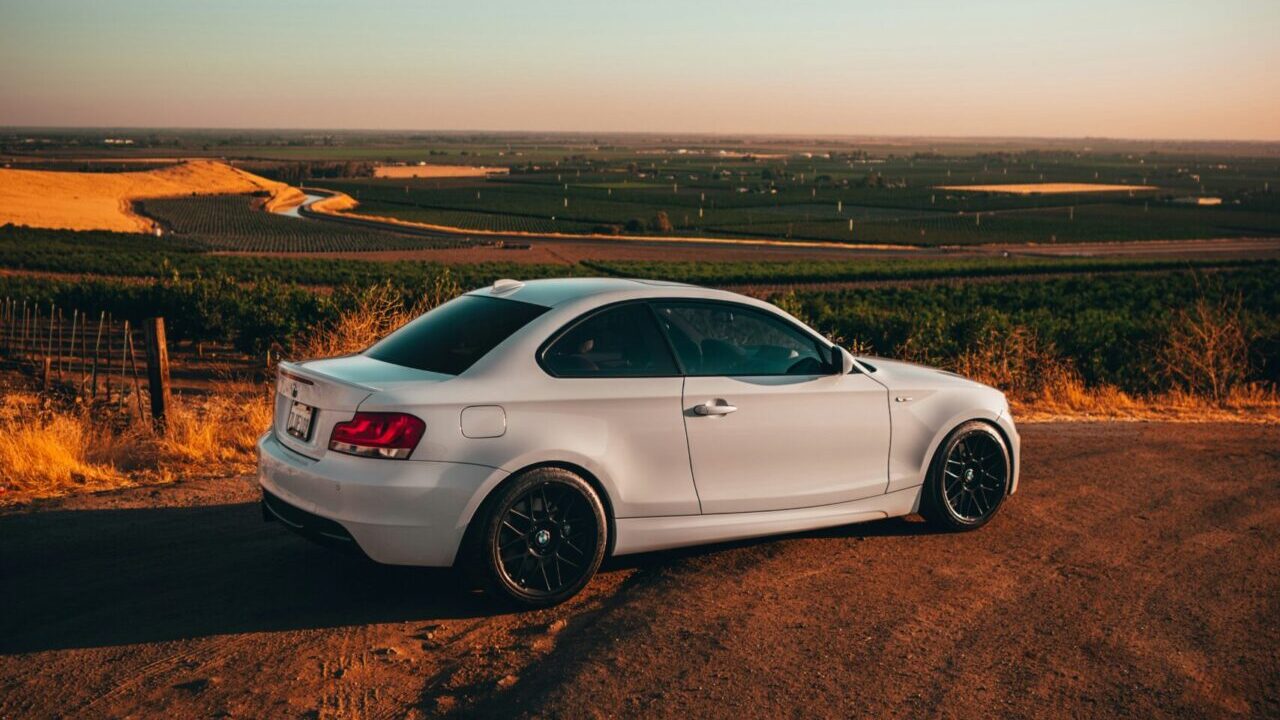
BMW 135i
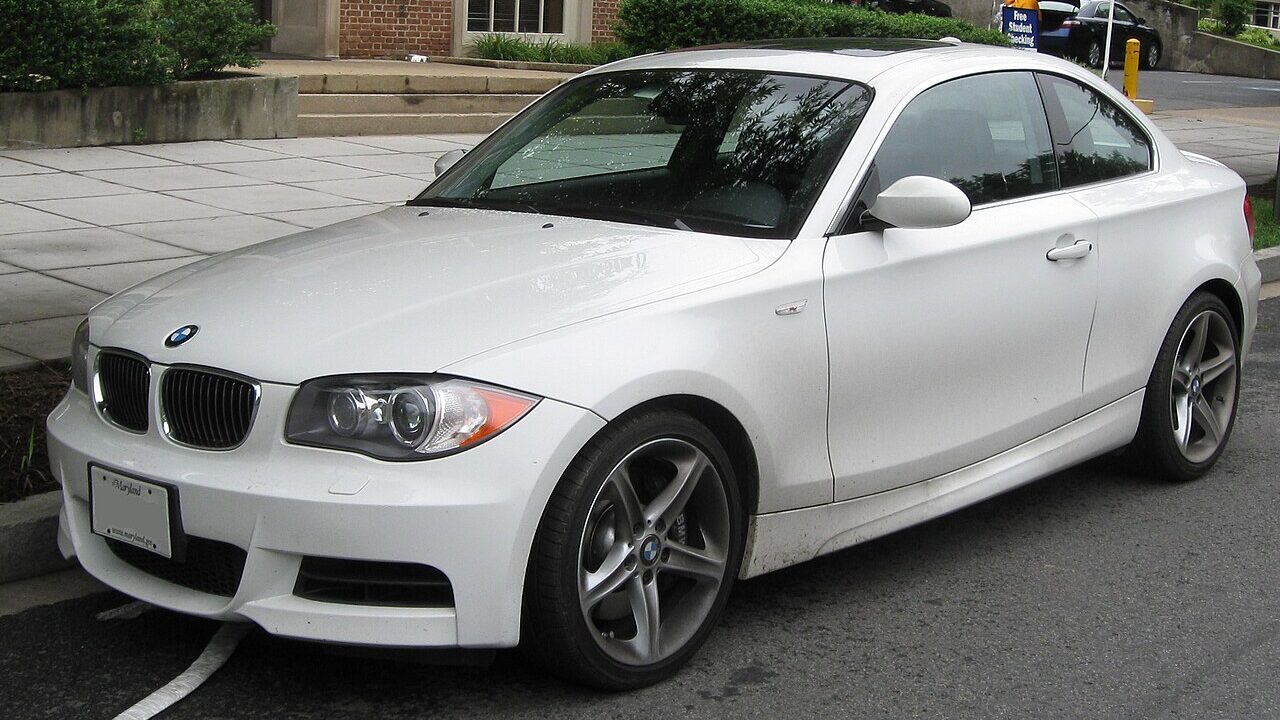
It’s been a while since BMW’s model numbers actually made sense. Contrary to popular belief, the 135i doesn’t have a 3.5-liter engine. It has a turbocharged 3.0-liter mill that pumps out 300+ hp, and it shares the 335i’s N54 issues.
A small car like the BMW 1-Series, fitted with a powerful engine, manual transmission, and rear-wheel drive, is just bound to be fun to drive. If it doesn’t bring a smile to your face, you may be dead inside.
Did you like this article?
Make sure you follow us on Facebook for more builds, guides, and car culture content.

