

When people talk about kit cars, the humble Volkswagen Beetle platform always seems to be mentioned, even if the Mazda Miata is taking over as the kit car king. The VW Type 1 chassis and its air-cooled engine powered an entire industry of replicas, retro racers, dune buggies, custom sports cars, and everything in between. It became the backbone of the kit-car world because it was light, simple, cheap, and endlessly modifiable.
Volkswagen never intended the Beetle to become the backbone of an entirely new automotive industry, but that’s exactly what happened, as it’s now considered the universal donor vehicle that changed the DIY car world forever.
To this day, 60 years after the kit-car boom began, VW-based kits remain the easiest way for regular people to build their dream machines.
In this article, we explore the coolest VW-based kit cars you can buy and build today, why they’re special, and how they’ve stayed relevant for decades. We have not included discontinued kits, such as the MG TD Replicas, Bradley GT / GT II, etc.
Porsche 356 Speedster & Coupe Replicas
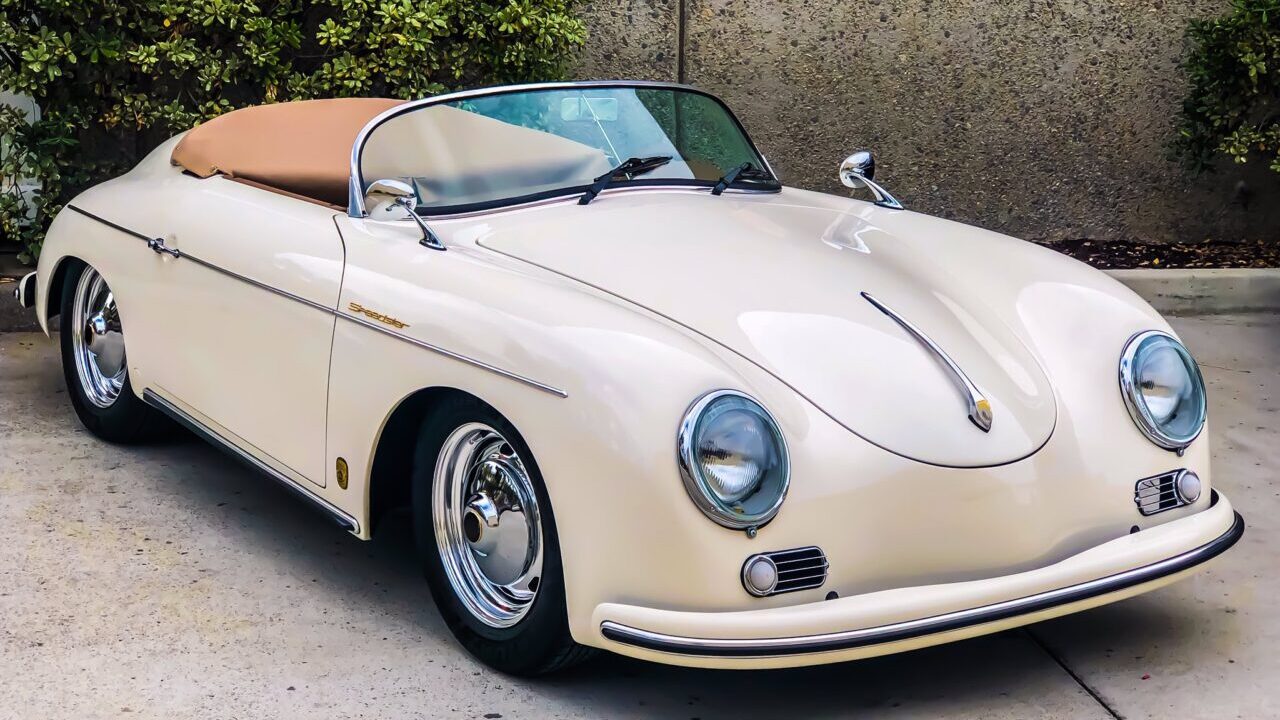
The original Porsche 356 debuted in 1948, and by the mid-1950s, the Speedster had become one of the coolest open-top sports cars money could buy. With real 356s now selling for six-figure (sometimes seven-figure) prices, enthusiasts turned to VW-based replicas as a much more attainable alternative. Since the Beetle shares lineage with early Porsches, including similar suspension and engine architecture, the pairing makes perfect sense.
Replica 356 Speedsters and Coupes capture the timeless styling of the original car while keeping running costs low. Builders can go traditional with an air-cooled VW flat-four, or bump things up with larger stroker engines or even modern powerplants. Either way, these cars deliver the classic Porsche driving feel without classic Porsche prices. Several companies sell Porsche 356 kit cars, such as JPS Motorsports and Beck Speedster.
Porsche 550 Spyder Replicas
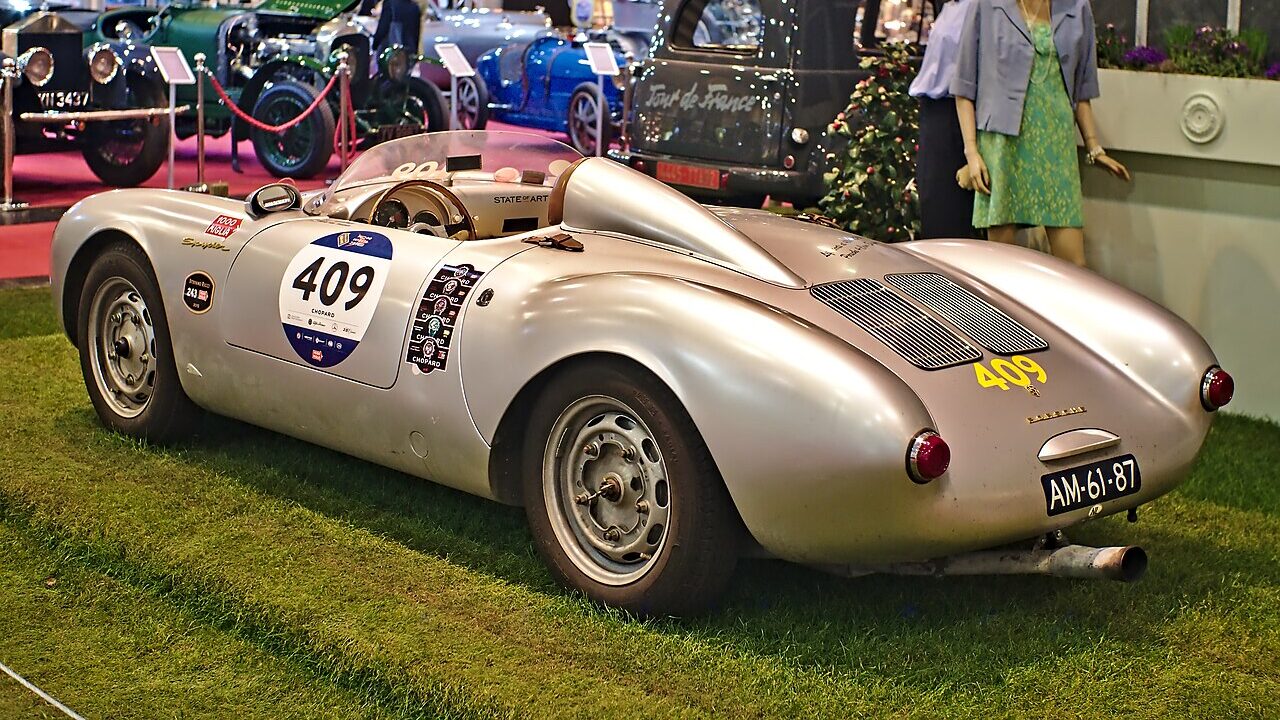
Porsche unveiled the 550 Spyder in 1953, building a featherweight race car that embodied the brand’s minimalist engineering philosophy. Instead of chasing big displacement, Porsche focused on balance and nimbleness, installing a tiny 1.5-liter boxer engine that produced just over 100 horsepower, yet dominated on the track.
Only 90 original 550 Spyders were built, and the surviving cars are now ultra-rare museum pieces worth millions. Fortunately, VW-based 550 Spyder replicas have existed since the 1970s, giving enthusiasts a chance to experience the legend without selling their house. Because early Porsches and the VW Beetle share DNA, the Beetle pan became a natural starting point. Most replica 550s retain the light weight and raw feel of the original, making them some of the most thrilling VW-based cars ever built. They may not be exact recreations, but the driving experience is remarkably authentic. If you want a 550 Spyder replica, check out companies such as Beck Speedster and Kitman Motors, among others.
Porsche 718 RSK & RS60 Replicas
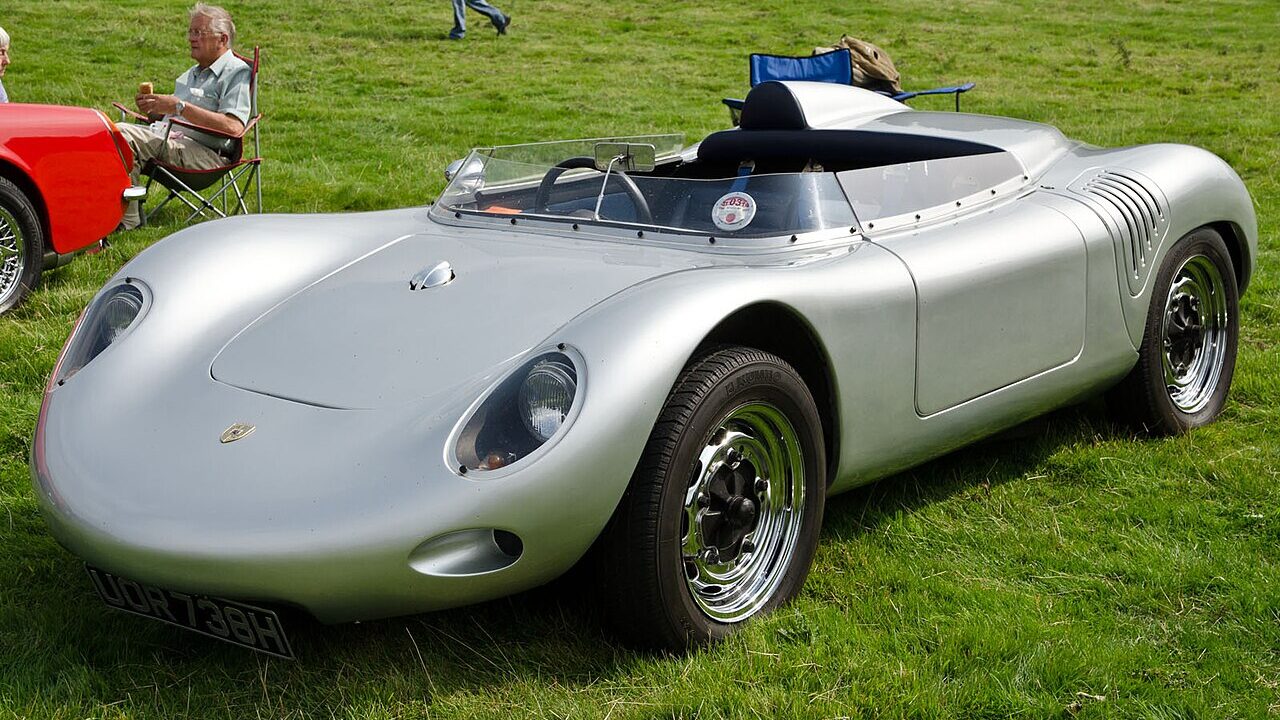
After the 550 Spyder, Porsche evolved the design into the 718 RSK and later the RS60. These cars were lighter, more aerodynamic, and considerably more competitive in international racing. Originals are nearly impossible to buy today, and when they do appear, the price is astronomical.
VW-based recreations carry the same visual DNA, with long rear haunches, a sloping front end, and that classic mid-engine road-racer stance. With the Beetle pan acting as the backbone and a built air-cooled flat-four behind the driver, a well-executed 718 replica delivers one of the purest vintage driving experiences you can get without owning a museum piece. RSK Sports Cars and Poly-Creation make kits for those who want to get behind the wheel of one of these classics.
Porsche 904 GTS Replicas
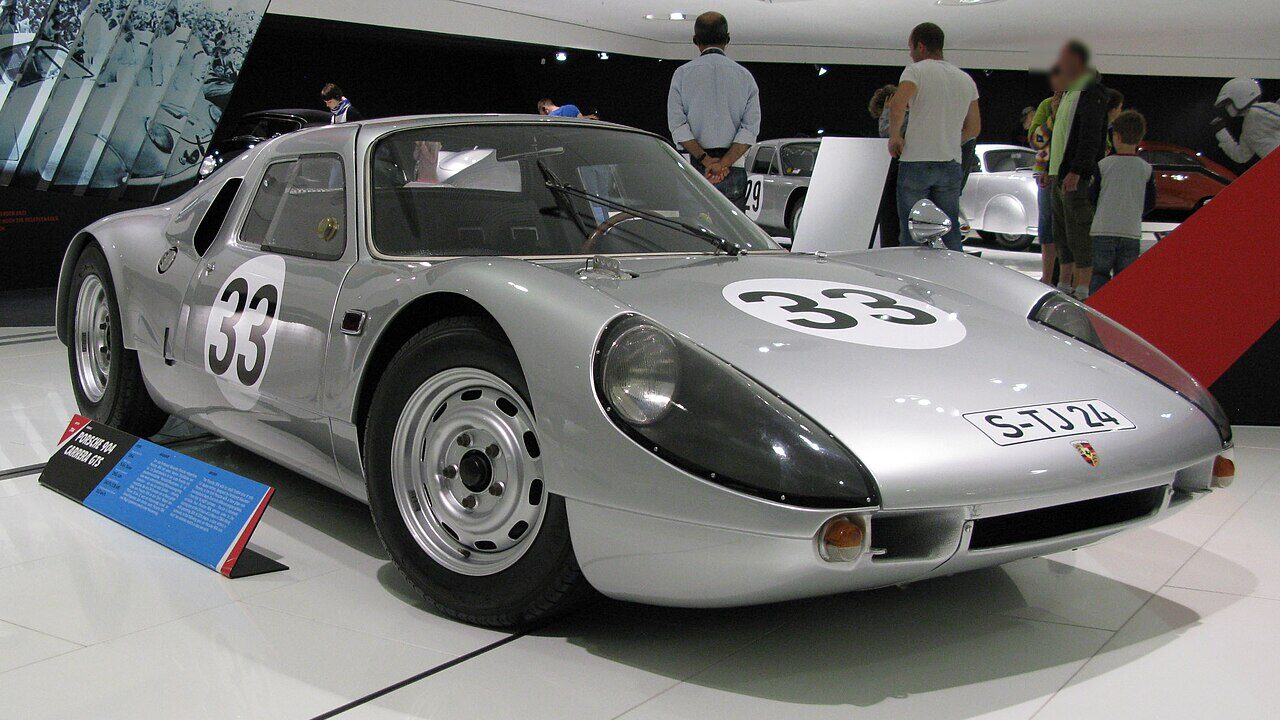
The Porsche 904 GTS, introduced in 1964, was one of Porsche’s most advanced early race cars. Built with a fiberglass body bonded to a steel chassis, the 904 was incredibly light and competitive, earning podiums around the world. Because originals are extremely rare and expensive, VW-based replicas became popular among enthusiasts who wanted the look and feel of a 1960s Porsche race car without millionaire-level costs. With a mid-mounted VW or air-cooled flat-six engine, a replica 904 delivers a surprisingly authentic old-school motorsport experience.
The 904’s low wedge profile, covered headlights, and sculpted bodywork make it one of the most visually dramatic VW-based kits ever produced. Once again, Beck Speedster is a company to check out if you want a 904 GTS kit car.
Baja Bug (VW Beetle Off-Road Conversions)

Fair enough, a Baja bug isn’t really a kit car, it’s more like a modified Beetle. However, they do sell Baja Bug kits, so I think it deserves a spot here. In the 1960s, California off-road racers discovered that the Beetle’s lightweight design, rear-mounted engine, and robust suspension made it an exceptional platform for desert racing, and the Baja Bug was born. Builders would trim the Beetle’s fenders, add long-travel suspension, bolt on tube bumpers, and move to aggressive off-road tires. The result was an inexpensive, durable, hilariously fun desert toy that went on to dominate early Baja races.
Today, the Baja Bug is a cult icon. Whether you build one for dunes, trails, or street use, it remains one of the most affordable and entertaining VW-based projects. There’s no shortage of Baja kits out there, either. A quick search revealed companies such as Mark V Fiberglass, Chirco, Empi, and East Coast Buggies, among many others.
Meyers Manx Dune Buggy
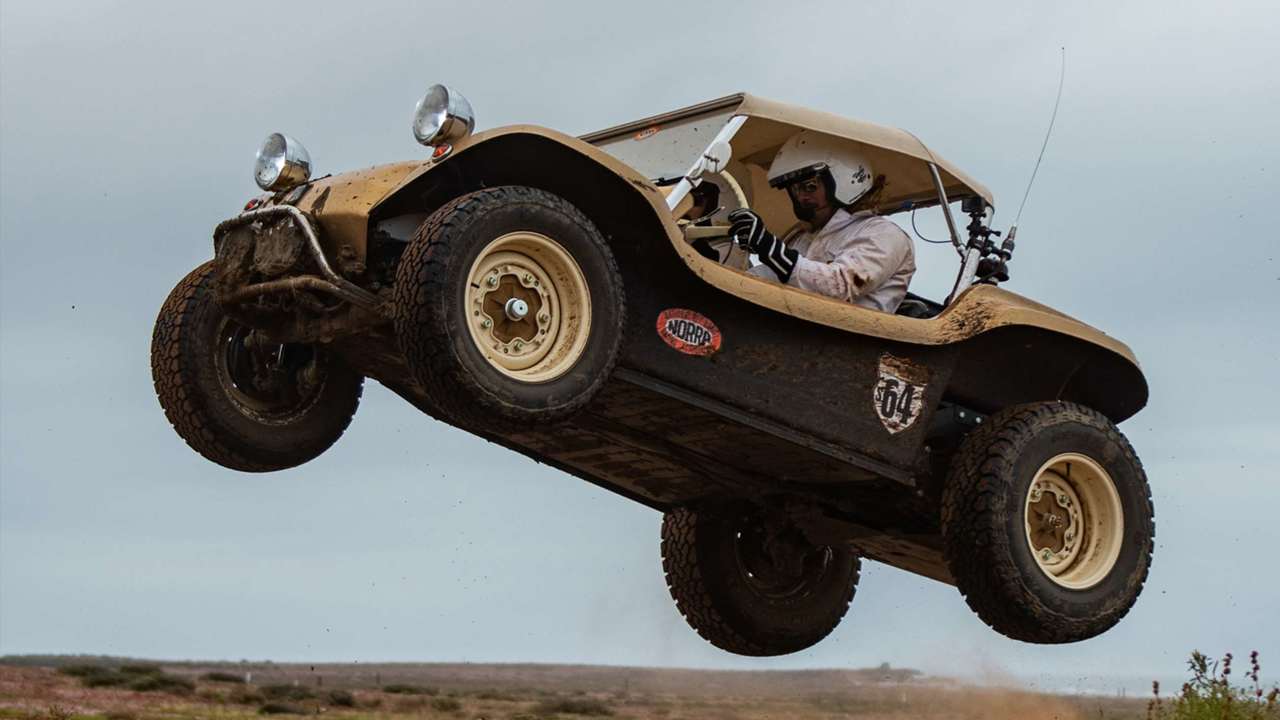
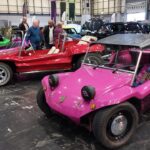
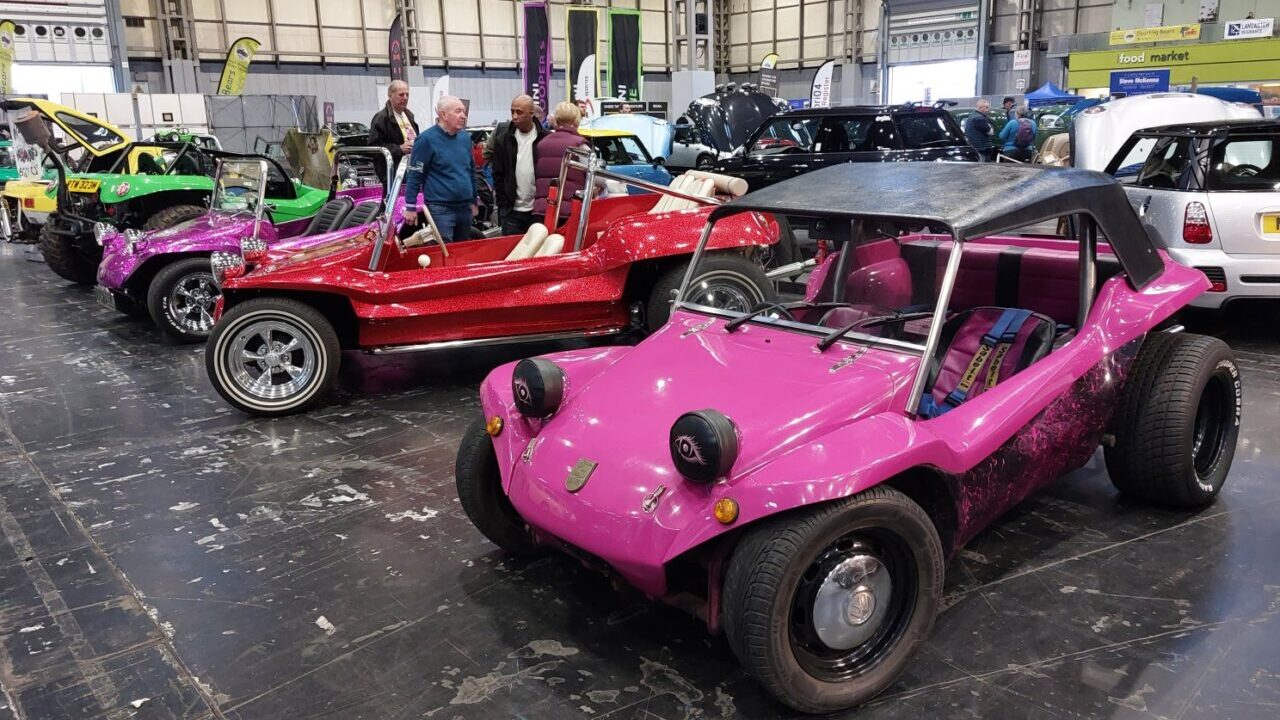
The Meyers Manx is one of the most important kit cars ever created. Designed by Bruce Meyers in the 1960s, the original Manx used a shortened VW Beetle chassis paired with a lightweight fiberglass body. The result became a cultural phenomenon. Weighing almost nothing and powered by the Beetle’s air-cooled rear engine, the Manx delivered incredible performance both on- and off-road. It dominated early Baja races, became a pop-culture icon thanks to Steve McQueen and The Thomas Crown Affair, and inspired countless fiberglass dune buggy kits around the world.
Even modern dune buggies trace their lineage to the Manx. Today, enthusiasts still build them using classic Beetle donors, preserving one of the most playful automotive spirits ever created. If only the original will do, head on over to Meyers Manx and check out the Remastered Kit, but there are plenty of other brands to choose from as well, such as Berrien Buggy by Acme and East Coast Buggies.
Sandrail (Off-Road Tube-Frame Racers)
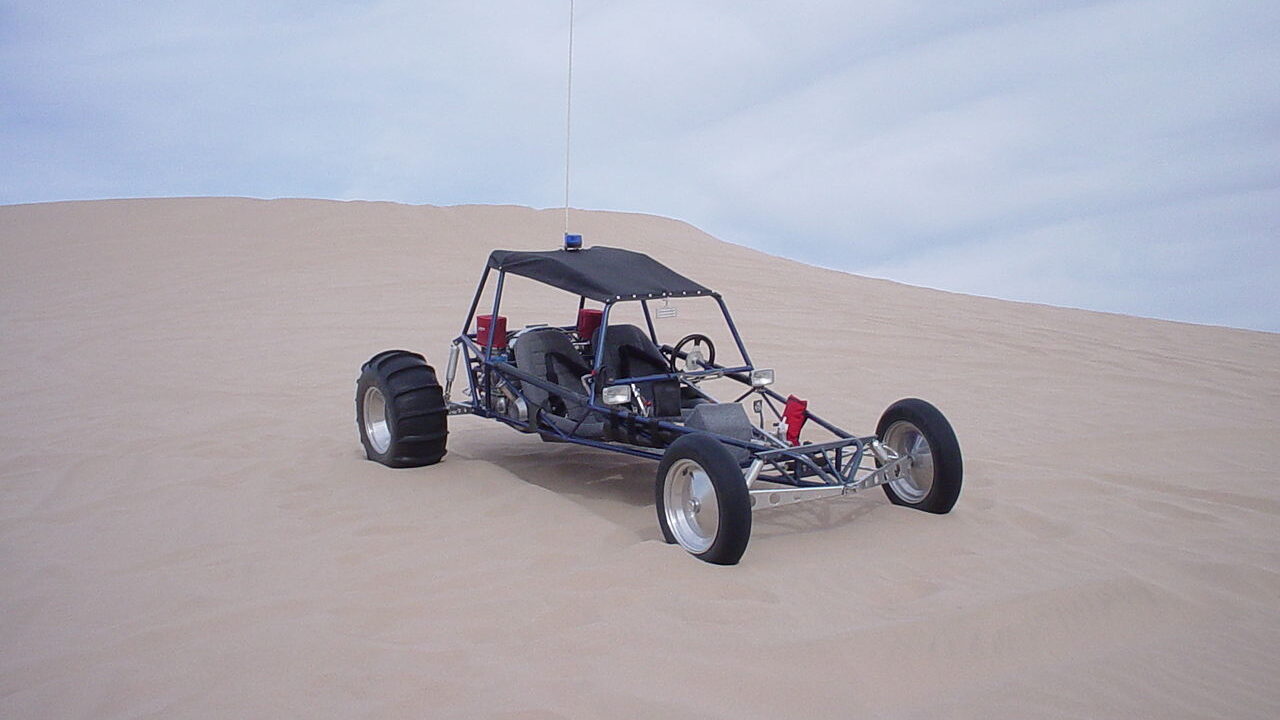
While dune buggies sit on modified VW pans, sandrails take things further by using a lightweight tubular chassis. Builders bolt VW suspension and engines onto the bare metal frame, creating a machine that’s faster, lighter, and more capable off-road than almost anything else.
With minimal bodywork, an open cockpit, tons of suspension travel, and an excellent power-to-weight ratio, sandrails are hysterical to drive. Berrien Buggy by Acme offers a variety of different two- and four-seat sandrails.
The VW Beetle Built an Entire Industry
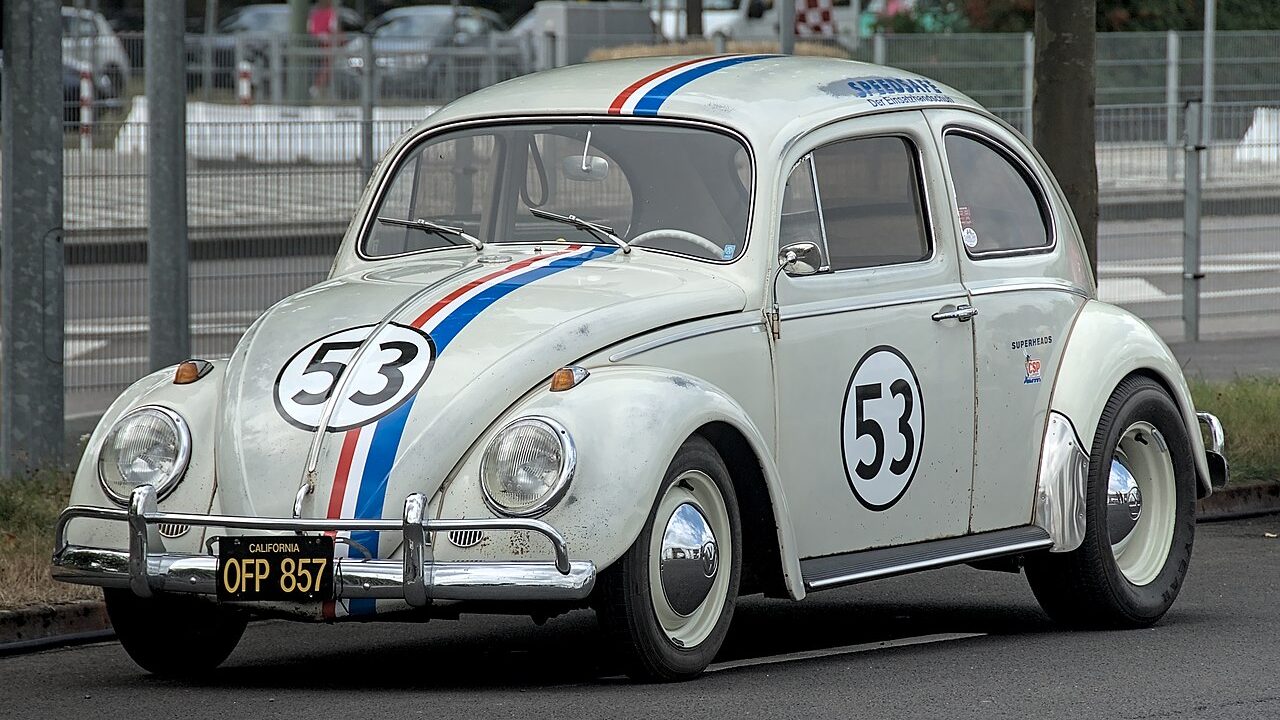
No other car has served as the foundation for so much creativity. The VW Beetle’s simplicity turned it into the Swiss Army knife of the automotive world, resulting in Porsche-inspired replicas, British roadster tributes, futuristic fiberglass wedges, and desert conquerors.
Even today, VW-based kit cars remain one of the best entry points for hobbyists looking to build something special. They’re simple, fun, endlessly customizable, and a perfect way to experience automotive history without breaking the bank.
Did you like this article?
Make sure you follow us on Facebook for more builds, guides, and car culture content.

