


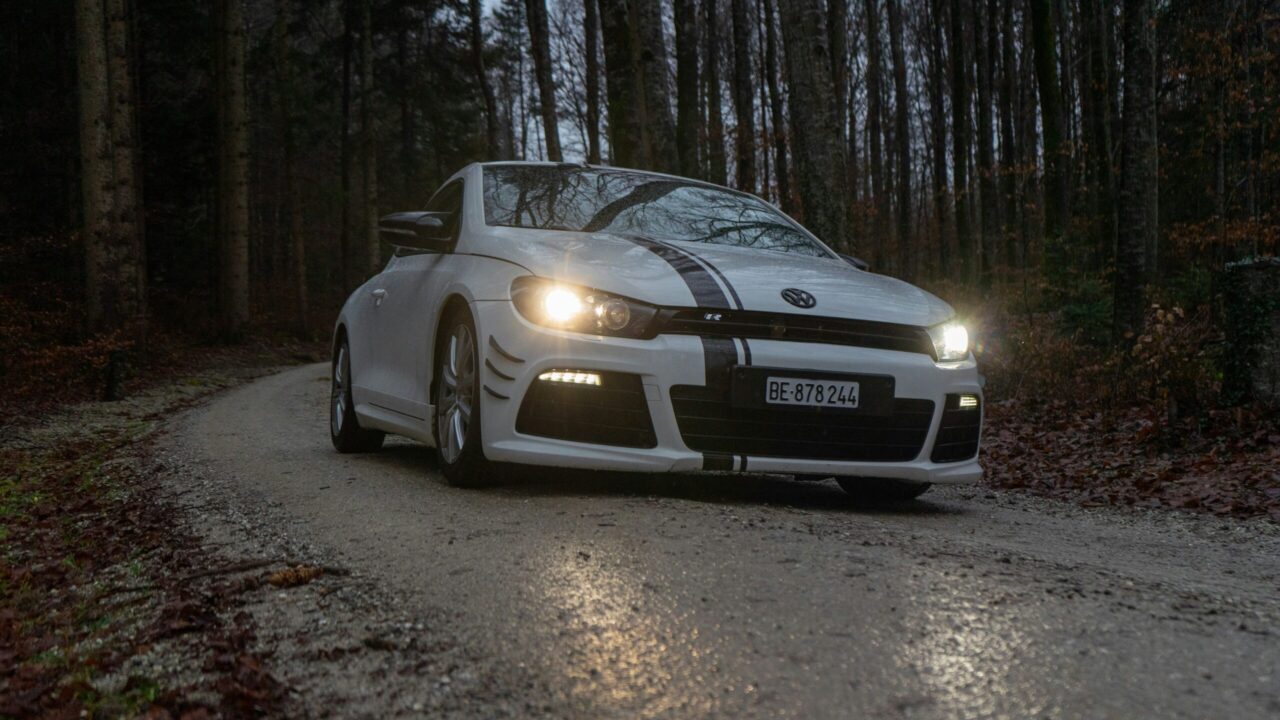
Germany builds some of the world’s finest performance machines, but when it comes to true people’s champions, nobody does it quite like Volkswagen. Born in 1937 with the mission to create an affordable “People’s Car,” VW eventually grew into a global giant, and along the way, they built a lineup of enthusiast legends that shaped entire scenes.
From air-cooled cult icons to hot hatches that embarrassed sports cars, VW has repeatedly proven that you don’t need exotic badges or six-figure price tags to have fun behind the wheel.
And if you think VW is just about sensible commuters, wait until you see how deep the enthusiast bloodline really goes…
Volkswagen Beetle
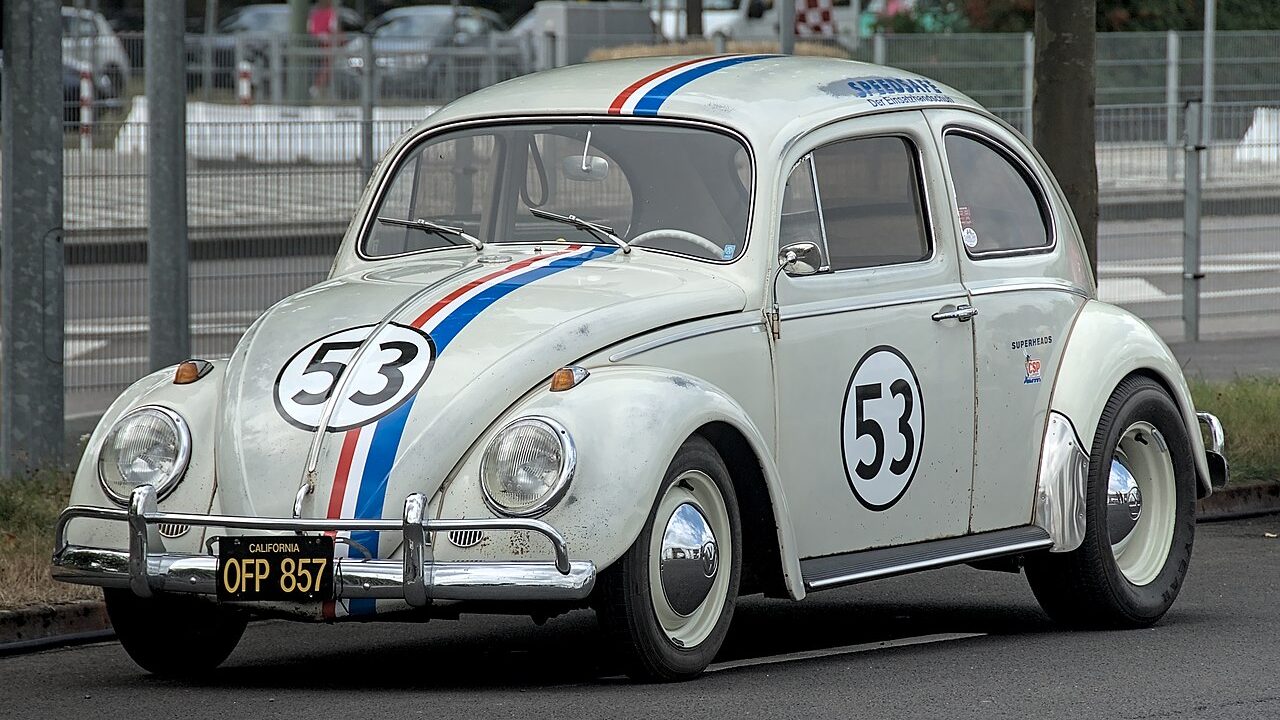
Even the most ardent car hater knows the VW Beetle. It entered production in 1938, with mass production ramping up after WWII, and the last rear-engined Beetle rolled off the assembly line in 2003. During its 65-year production period, VW built over 21.5 million Beetles, meaning it holds the record for both the longest production run and the most cars sold on a single platform.
For many car enthusiasts, the Beetle was their first meeting with automotive culture, either through the Herbie movies or as their first car. It’s also one of the most popular cars to modify, serves as a base for several kit car builds, and is no stranger to racetracks and drag strips, or even desert racing.
Volkswagen Karmann Ghia
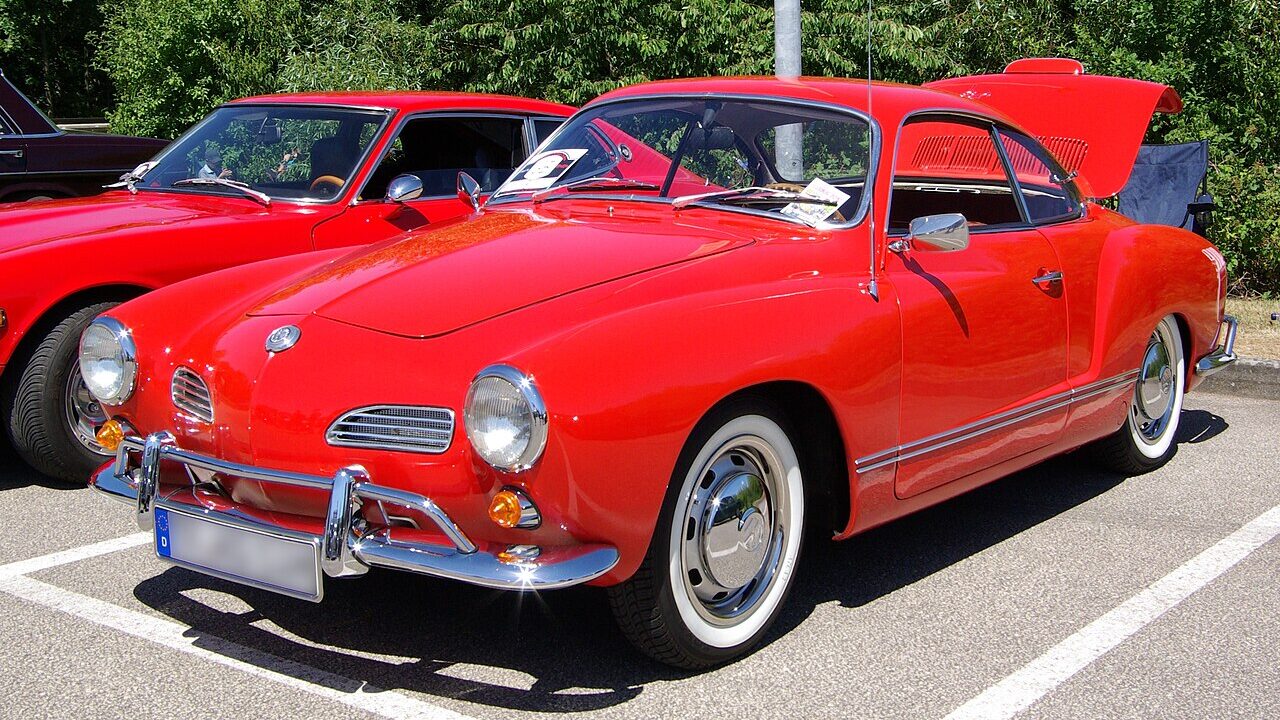
Those looking for something a bit more flashy than a Beetle could check out the Karmann Ghia. Introduced in 1955, it was a proper stylish car built for enthusiasts, as Volkswagen had only offered the Beetle and Type 2 bus up to this point.
The Karmann Ghia looked sporty, it was stylish, and faster than the Beetle. It goes without saying that it was also more expensive, and thanks to its sporty design, the interior was more cramped and less practical. However, it’s still one of the most popular Vee-Dubs among the air-cooled crowd.
Mk1 Volkswagen Rabbit / Golf GTI

VW unveiled the Mk1 Rabbit/Golf in 1974 as a replacement for the Beetle, and in 1976, the first GTI models were available in Europe. Unfortunately, the Rabbit GTI didn’t arrive in the States until 1983.
Initial GTIs had a 110-horsepower 1.6-liter engine, but in 1982, it was upgraded to a 112-horsepower 1.8-liter. That kind of power in a tiny hatchback meant the GTI could keep up with much more expensive machinery. While it wasn’t the first hot hatch, it was the car that made the segment popular among gearheads, and it soon became an automotive icon.
MK2 Volkswagen Golf G60
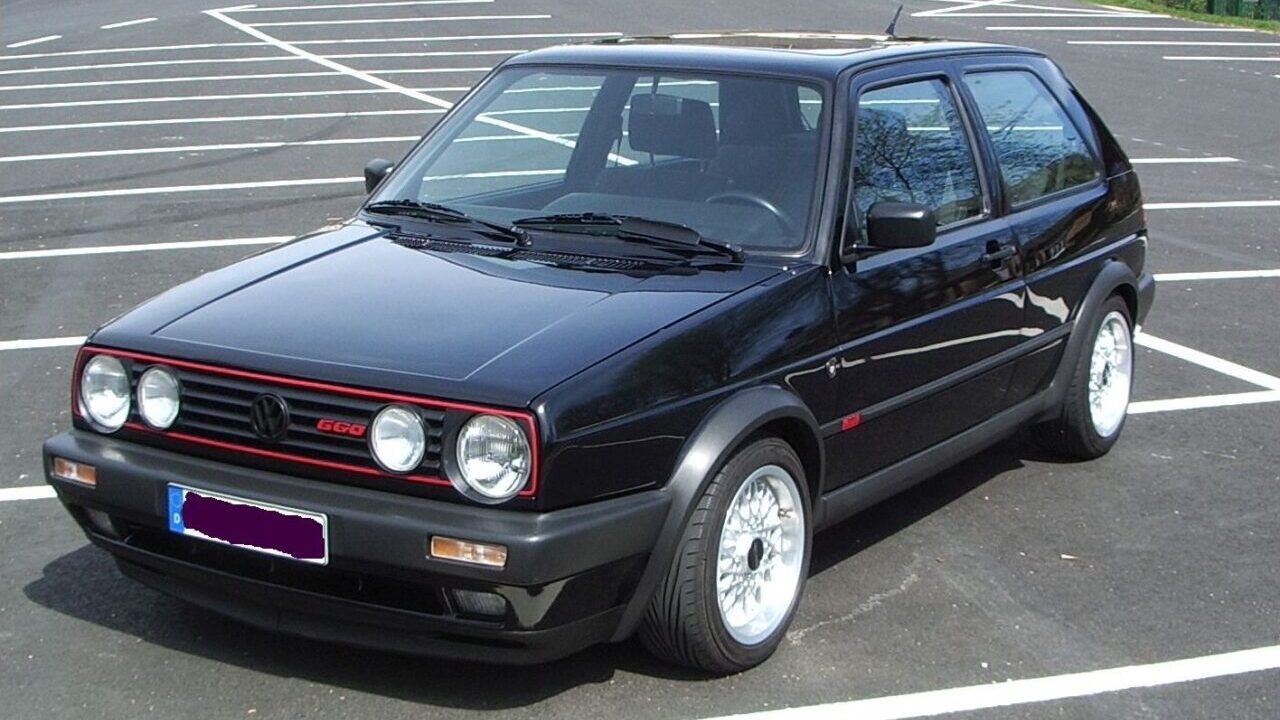
The Mk2 Golf GTI picked up where the Mk1 left off. The problem was that the competition had caught up to VW at this point, and the Peugeot 205 GTI was more agile and powerful than the now lardy Golf. VW tried to rectify this with the 1.8 16-valve version, but the best FWD Mk2 is easily the supercharged G60 model.
It used the 8-valve 1.8-liter engine, but with the supercharger, it now produced 160 horsepower instead of 112. Only connoisseurs can spot the exterior differences between the G60 and the regular GTI, such as a bonded windscreen and the wider plastic arches, making it a real sleeper.
Mk2 Volkswagen Golf Rallye
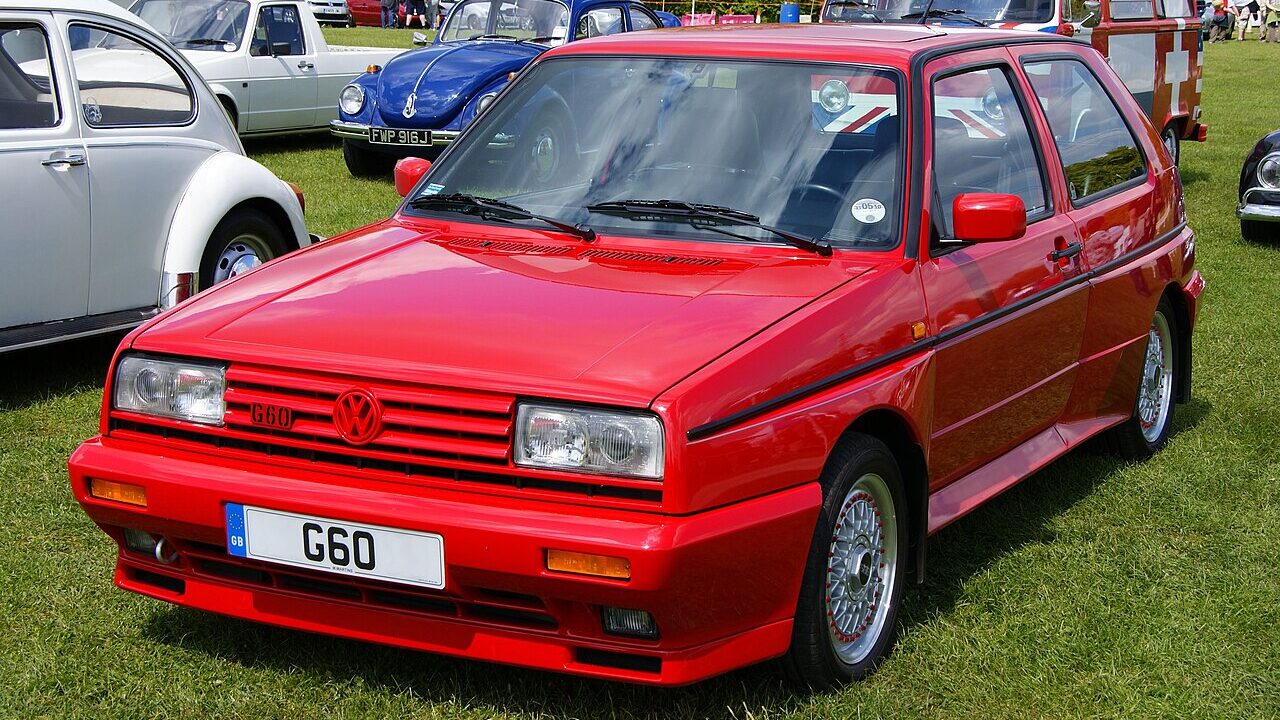
VW created the Golf Rallye as a homologation special for Group A rallying. It used the same supercharged 1.8-liter as the regular Mk2 G60 Golf, but power was now sent to all four wheels.
The Rallye’s exterior looked nothing like other Golfs, as it had boxed fenders, similar to those on the e30 BMW M3, and rectangular headlights. It never performed well on the rally stages, never placing higher than 5th. However, it’s highly sought-after today, so getting your hands on one will set you back a small fortune.
Mk4 Volkswagen Golf R32
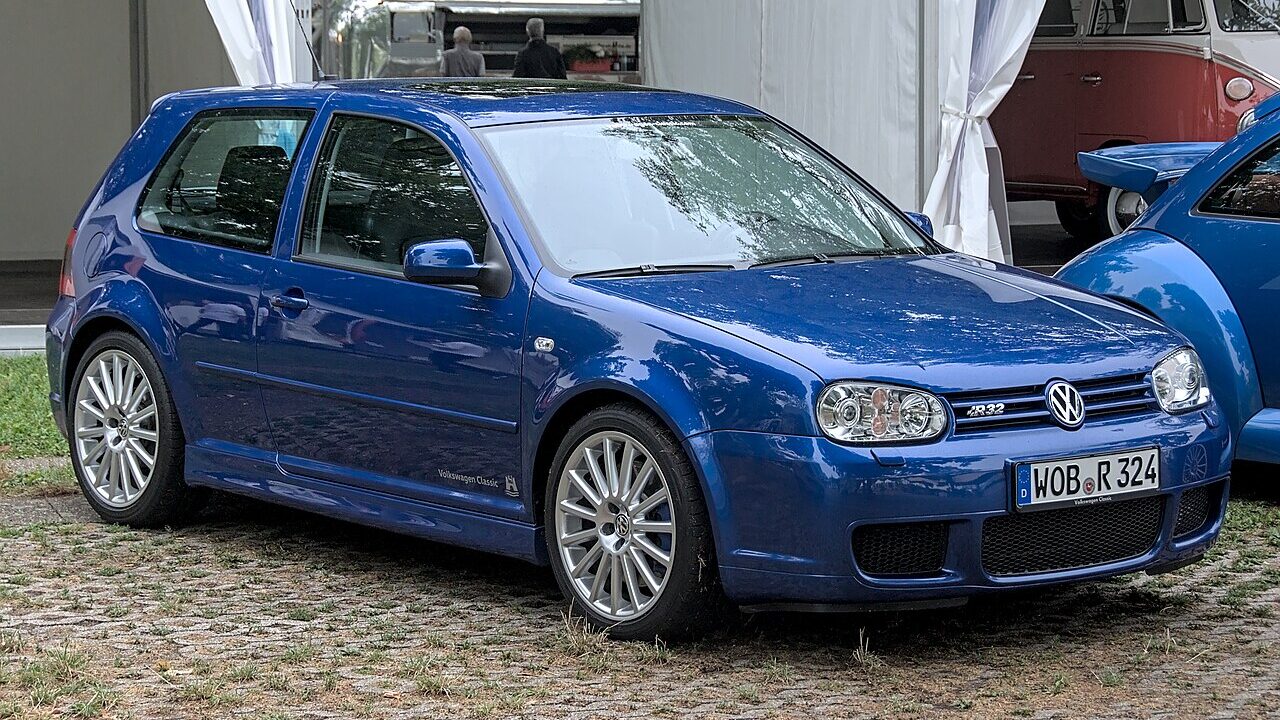
With the Mk3 Golf, Volkswagen kind of lost the plot. The GTI was slow and underpowered, and while the VR6 had decent power and sounded great, it was still too soft. The Mk4 GTI wasn’t much of an improvement, but the R32 was in a league of its own.
The Mk4 Golf R32 had a 3.2-liter VR6 engine that produced 240 horsepower. It was the world’s first production car with a DSG gearbox, but was also available with a 6-speed manual. Power was sent to all four wheels via a Haldex Traction-based 4Motion on-demand four-wheel drive system. Thanks to the independent rear suspension, it even handled like a true performance car should.
Mk5 Volkswagen Golf GTI
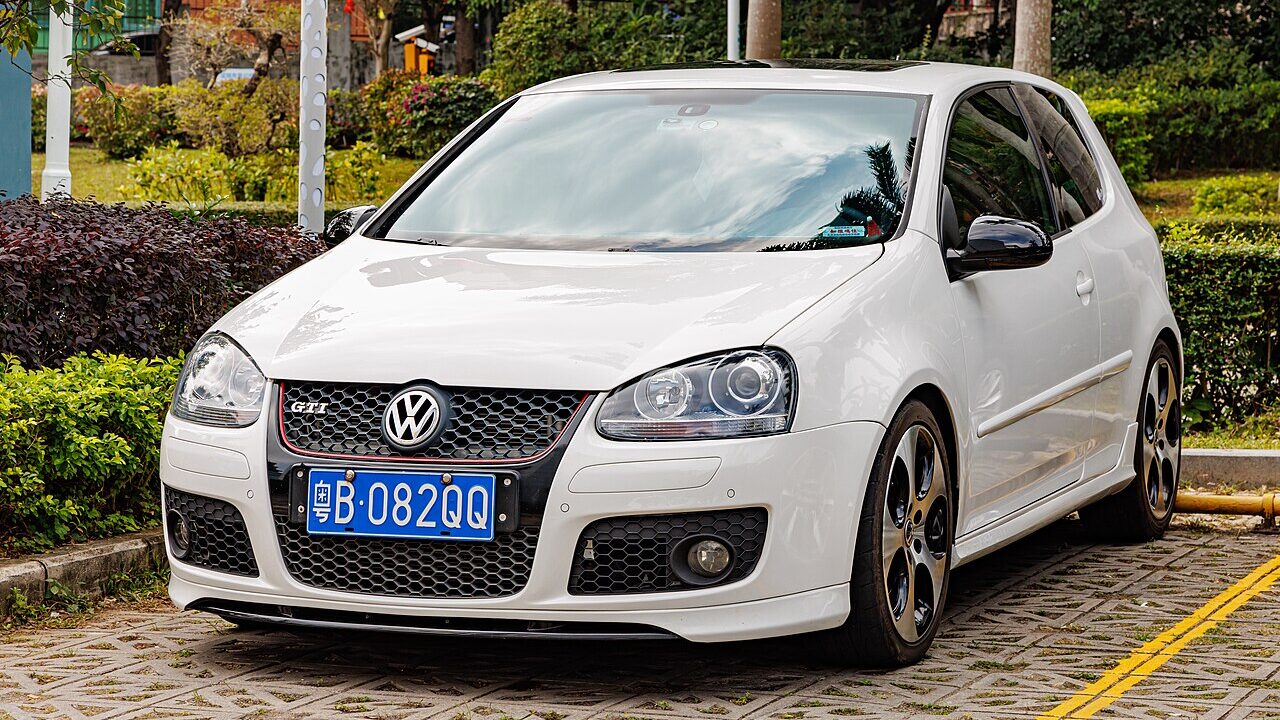
As time went on, the Volkswagen Golf GTI became increasingly bloated and underpowered (the R versions notwithstanding), and both straight-line performance and handling suffered. While the Mk4 was a step in the right direction, the Mk5 and Mk6 GTIs are far better driver’s cars.
The Mk5 has a substantially more rigid chassis than its predecessor, giving it better handling and a more modern feel. It also includes standard independent rear suspension on all models, a major improvement over the Mk4. Under the hood, things were also enhanced with more powerful engines.
Mk7 Volkswagen Golf R
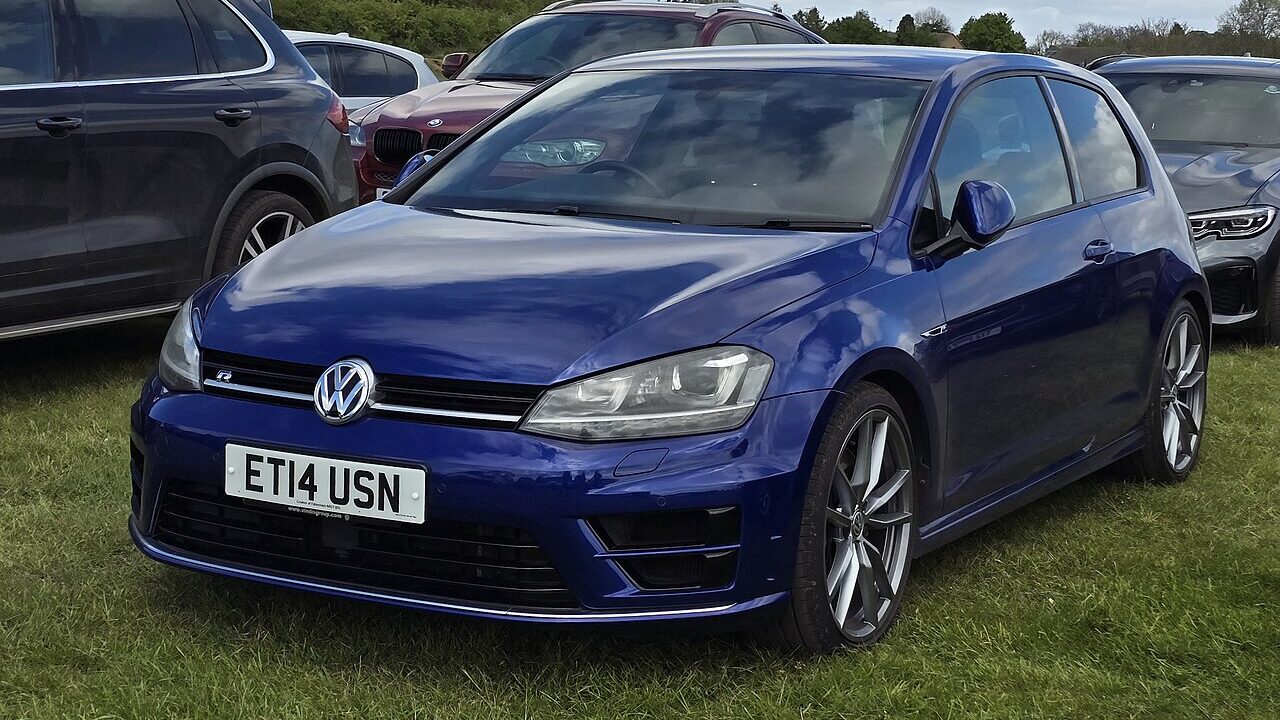
While the Mk5 and Mk6 Golfs were great, the Mk7 Golf R is on another level. Under the hood, it has a turbocharged 2.0-liter engine that delivers between 280 and 300 horsepower, depending on the market. That’s plenty of power in such a compact car. However, it’s capable of much more.
Tuners and enthusiasts have extracted over 700 horsepower from the Mk7 Golf R, while keeping it reliable for regular use. Moog from Mighty Car Mods even kept up with a Lamborghini Huracán Performante.
Volkswagen Corrado
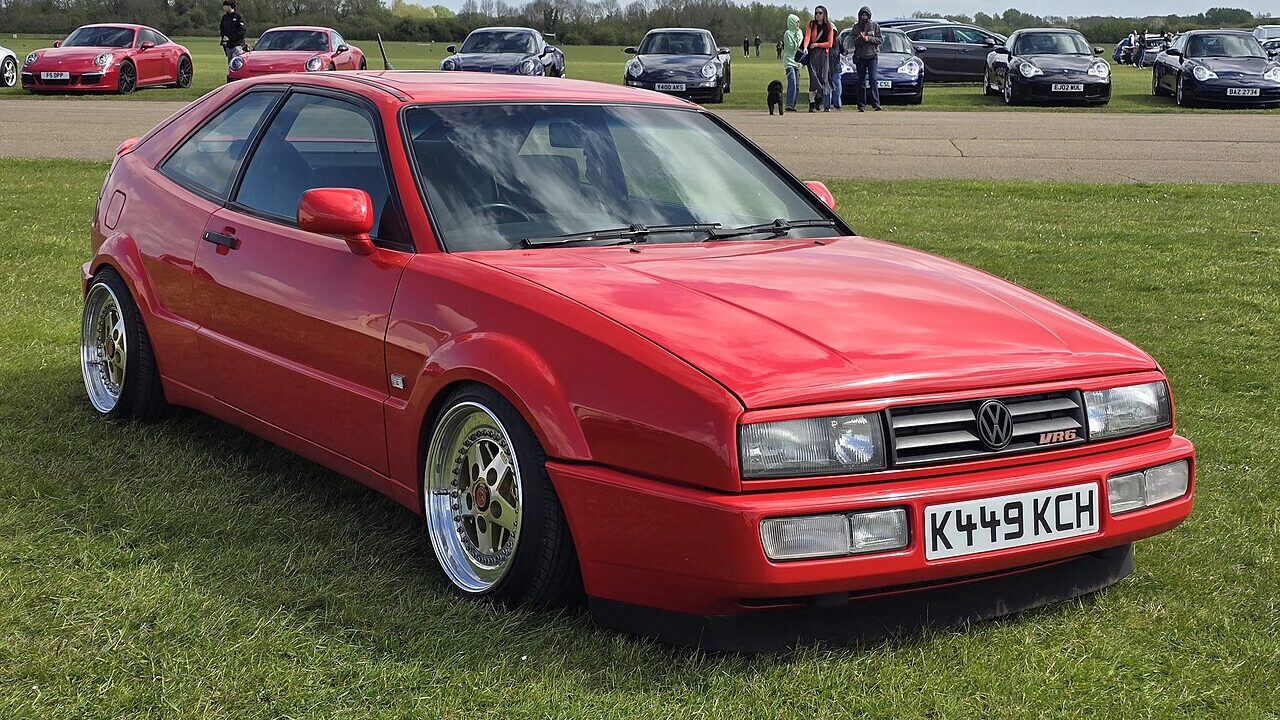
The Volkswagen Corrado is a compact 2+2 coupe built as a successor to the Scirocco, although there was some overlap between the two models.
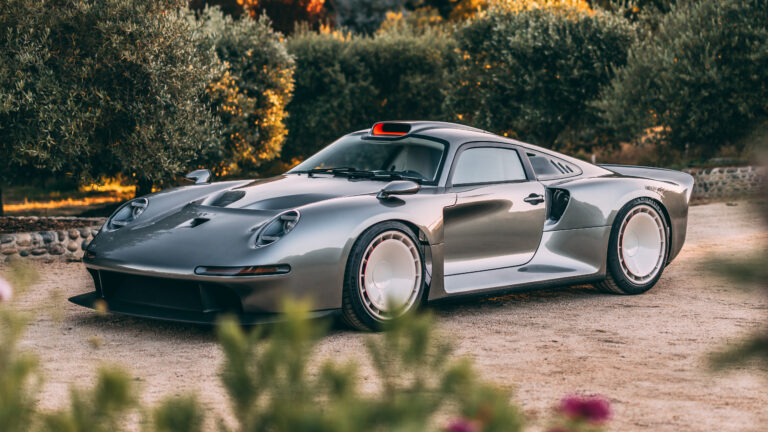
It was built by Karmann in Osnabrück, Germany, the same company that made the Karmann Ghia. The Corrado came with a selection of powerplants, ranging from naturally aspirated 4-cylinders to supercharged 4-cylinders and VR6 engines, all driving the front wheels. To this day, it’s one of the most stylish VeeDubs ever, and it has a huge following.
Mk2 Volkswagen Scirocco
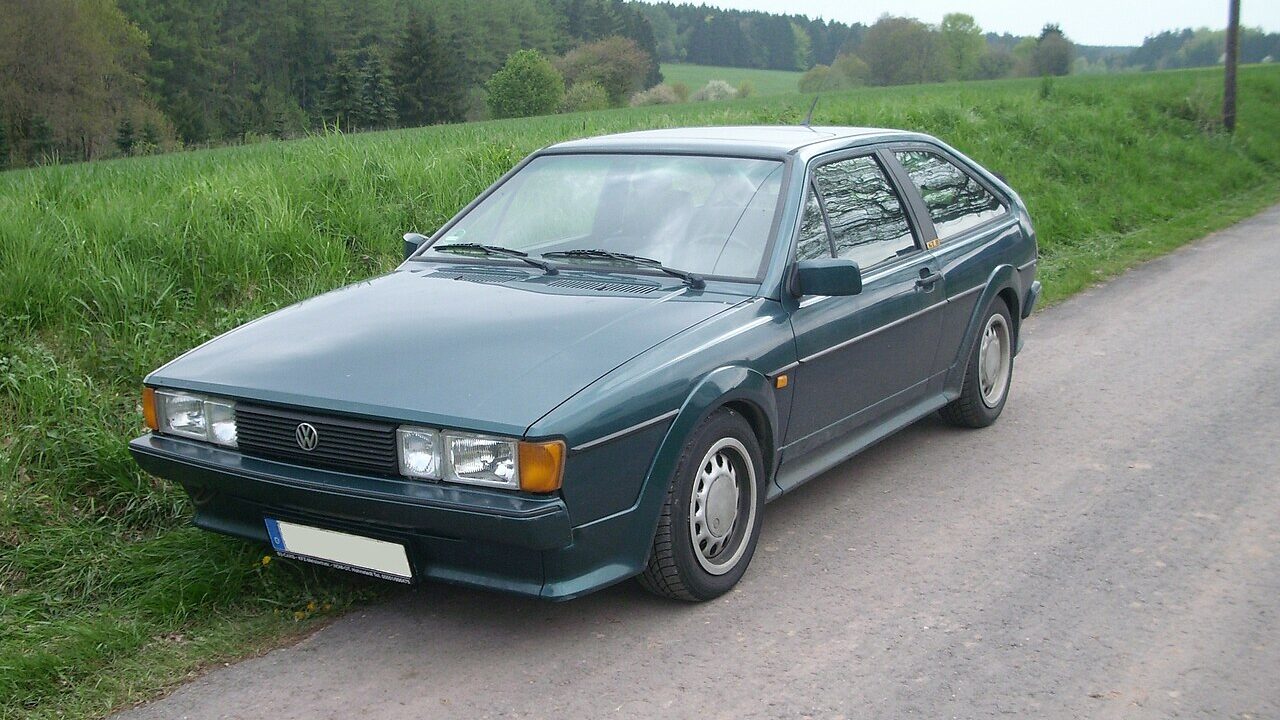
The Scirocco was based on the Golf platform, and the first-gen model looked pretty basic, like a slightly more stylish Golf. For its second generation, the Scirocco came into its own, looking like a proper sports coupe and standalone model.
It was available in a variety of trim levels and VW offered a whopping 11 engines, although not every trim/engine was available in every market. Over the years, hundreds of thousands Sciroccos were sold, and although the last ones rolled off the assembly line in 1992, it still has a huge following among VW enthusiasts.
Mk3 Volkswagen Scirocco
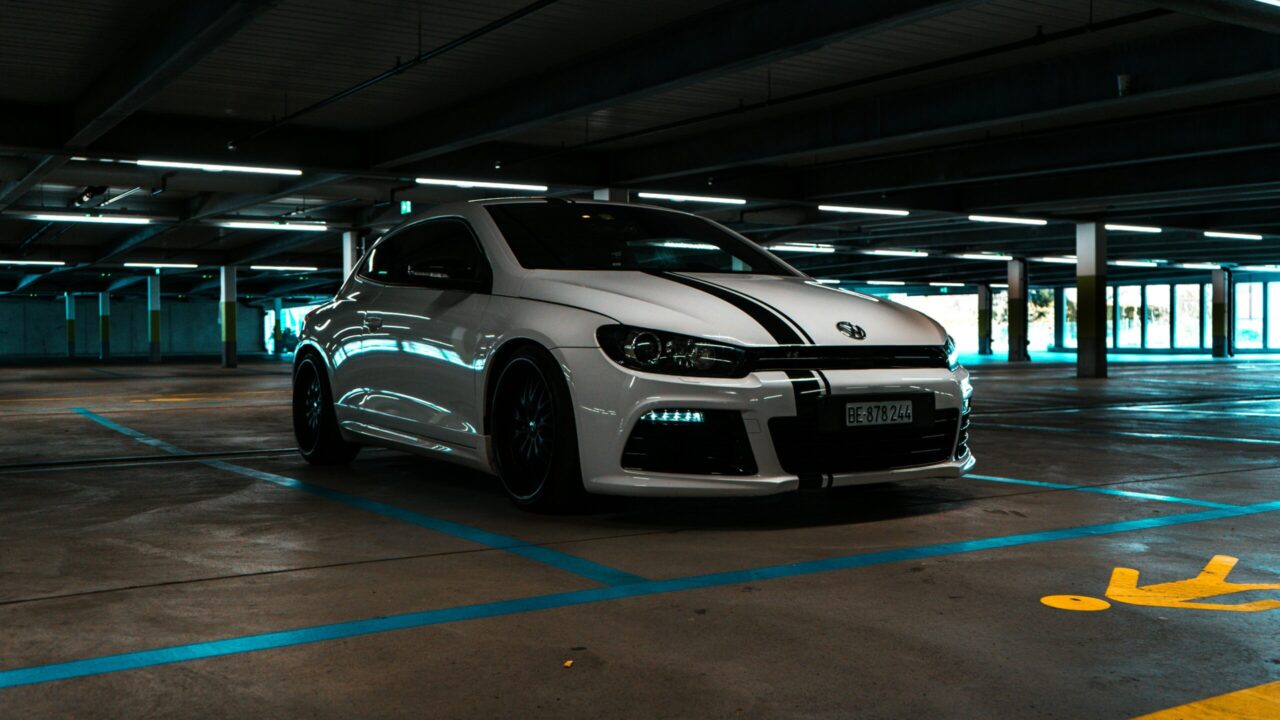
Sticking with traditions, the Mk3 Scirocco was also based on the Golf platform, but in this case, it was the one from the mk5 Golf. The Mk5 is heralded as the model that made the GTI fun to drive again, so it was the perfect choice for the Scirocco.
It received glowing reviews from automotive journalists and quickly became a favorite among those looking for a relatively affordable yet sporty coupe. Unfortunately, it was never offered in the States.
Volkswagen Polo GTI
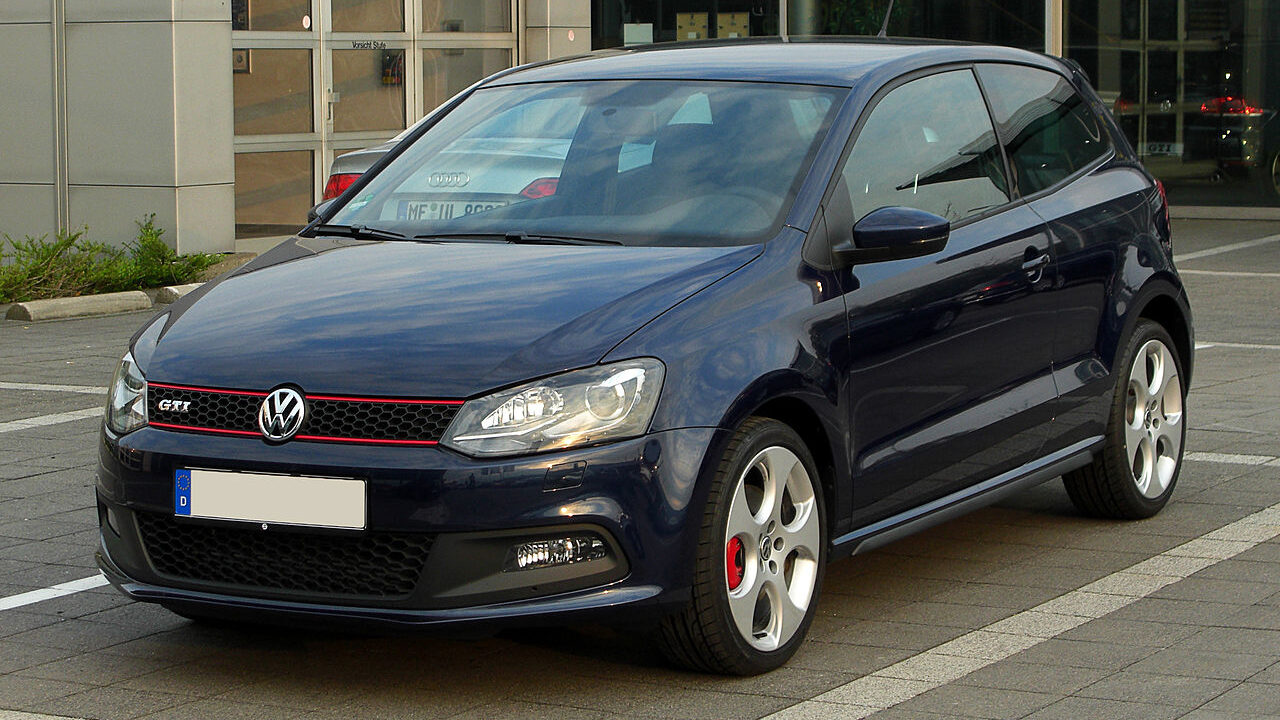
In 2009, Volkswagen launched the 5th-gen Polo and it was declared 2010 European Car of the Year, 2010 World Car of the Year, 2010-2011 Japan Import Car of the Year, and it won What Car? Supermini of the Year 2010. Clearly, it had some things going for it.
The Polo GTI looks much more aggressive than the standard models and packs much more power. Early cars had a 1.4-liter engine fitted with both a turbo and a supercharger, producing a total of 178 horses. Later versions got a turbocharged 1.8-liter with 189 horsepower.
Volkswagen Polo G40
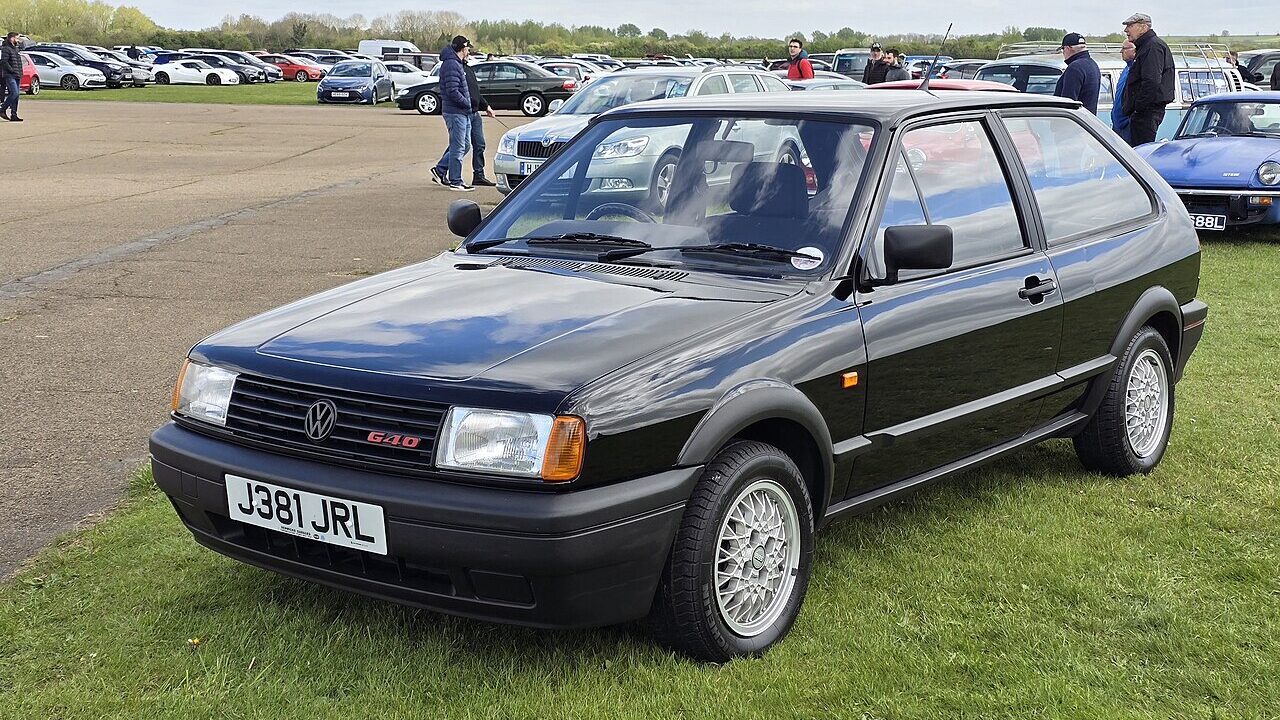
Volkswagen has always used the Polo as a test bed, and in 1987, it introduced the supercharged Polo G40. It used a small G-lader supercharger before its larger, more powerful Golf and Corrado siblings.
With the supercharger, its tiny 1272cc engine produced 113 horsepower, which was enough to send it to 60 mph in just 8.1 seconds and on to a top speed of 122 mph. VW used the G40 to set world endurance speed records, such as the 1300 cc class records for speed over 24 hours and speed over a distance of 5000 km.
Volkswagen Up! GTI
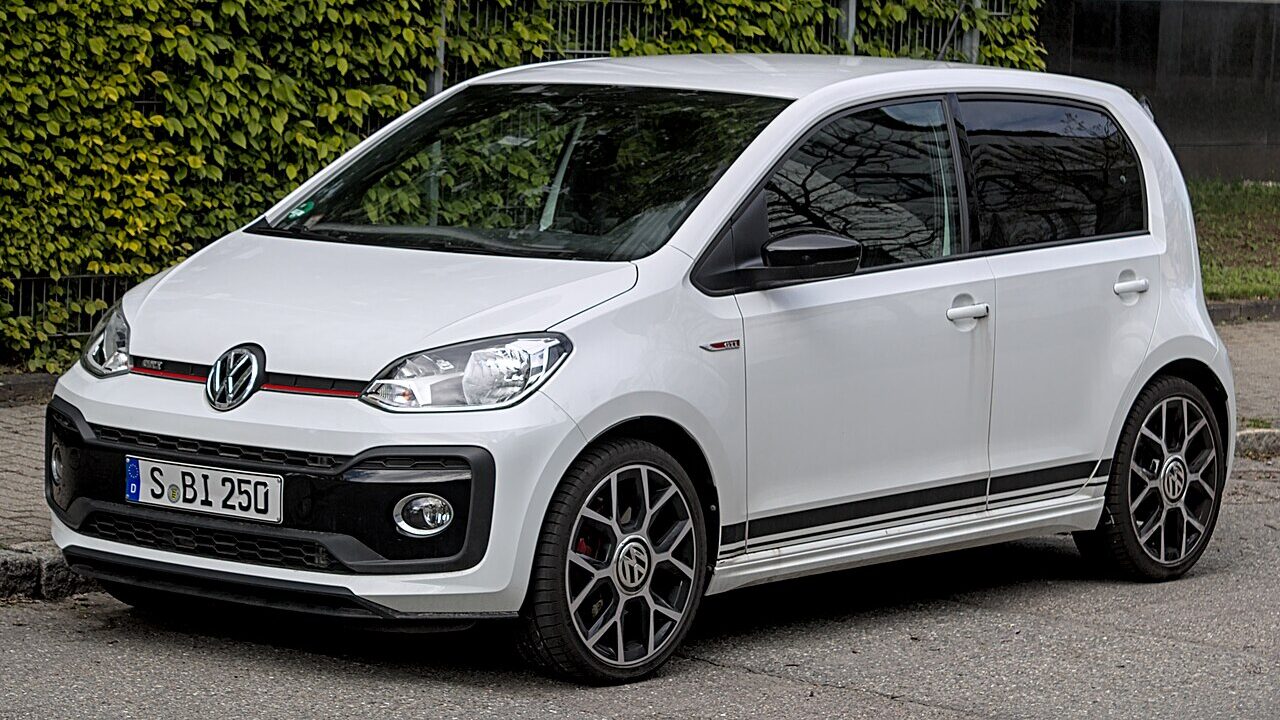
The VW Up! GTI is another model that’s sadly unavailable in North America, but it has been met with great enthusiasm in other parts of the world. VW may market the Up! as a tiny city car, but its size is practically identical to the Mk1 Golf/Rabbit GTI.
While its 1.0-liter three-cylinder TSI engine is smaller than the Mk1’s 1.6-1.8-liter engines, it produces 113 horsepower, which is very close to the Mk1’s 110-112 horses. Its power is sent to the front wheels via a six-speed manual, and it can reach 62 mph in 8.8 seconds and tops out at 122 mph.
Volkswagen SP2
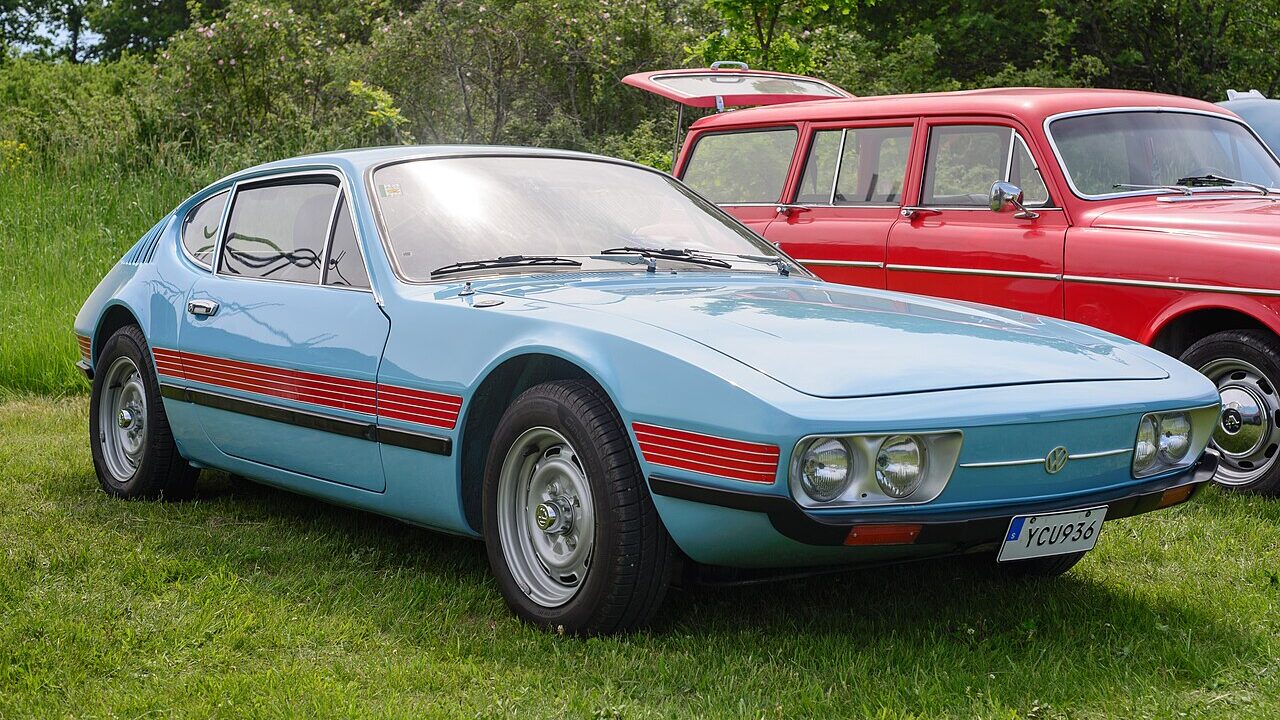
If you’ve never heard of the Volkswagen SP2, it’s probably because it was built exclusively in Brazil between 1972 and 1976. The SP2 is one of VW’s coolest hidden gems, designed by Volkswagen do Brasil when the local market wanted something sportier than a Beetle but couldn’t import European sports cars.
With its long nose, fastback rear, and Porsche-like proportions, the SP2 certainly looked like a proper sports car. Its design writes a check the stock engine can’t cash, though, as the air-cooled 1.7-liter flat-four made just 75 horsepower. Still, it was Brazil’s sports car, built with passion, ingenuity, and just enough attitude to earn cult status. Today, the SP2 is a collector’s favorite precisely because it’s the VW that almost no one knows.
If you liked this article, please follow us on Facebook for more content like this!
Did you like this article?
Make sure you follow us on Facebook for more builds, guides, and car culture content.

