





Restomods used to be a niche curiosity where a handful of enthusiasts were rebuilding classics with modern engines and equipment. Now, it has grown into an entire movement that rebels against boring new cars overloaded with screens and safety systems that dilute the experience.
These machines may look familiar, but they drive like modern performance weapons. They’re what the original engineers wished they could have built if they had access to today’s materials and tech.
From reimagined Alfa Romeos with carbon fiber bodies to million-dollar 911s, and reborn homologation legends built with aerospace precision, these are the restomods that set the standard for the entire industry. One could say they honor the past… by obliterating it.
Alfaholics GTA-R
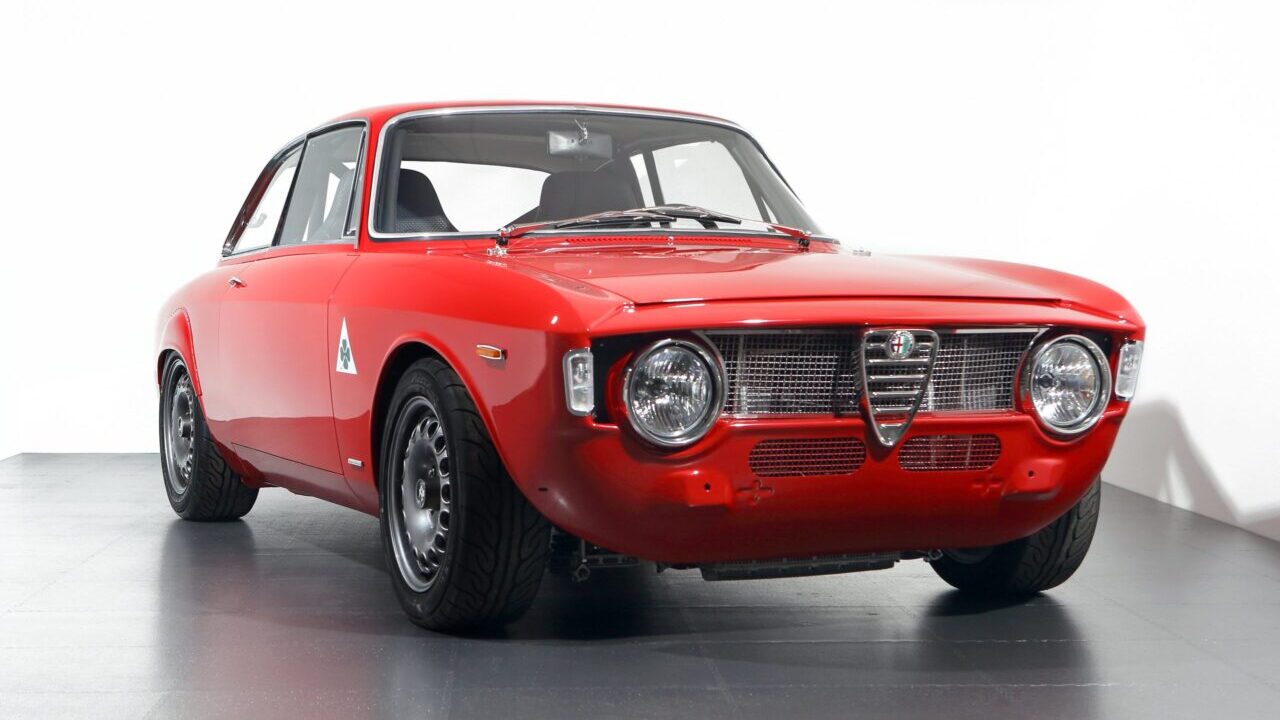
If there’s one car that embodies the soul of the restomod world, it’s the Alfaholics GTA-R, a featherweight Italian missile reborn for modern drivers.
Alfaholics takes the classic 105-series Alfa Romeo Coupe and strips it to bare metal before rebuilding it with carbon panels, billet suspension components, and a screaming twin-spark four-cylinder pumping out around 240 horsepower. If that doesn’t sound like much, you need to factor in that the Alfaholics GTA-R weighs just 830 kg. The GTA-R is all about feel, delivering razor-sharp steering and instant throttle response, driving one feels almost telepathic.
MST Mk1 Evo
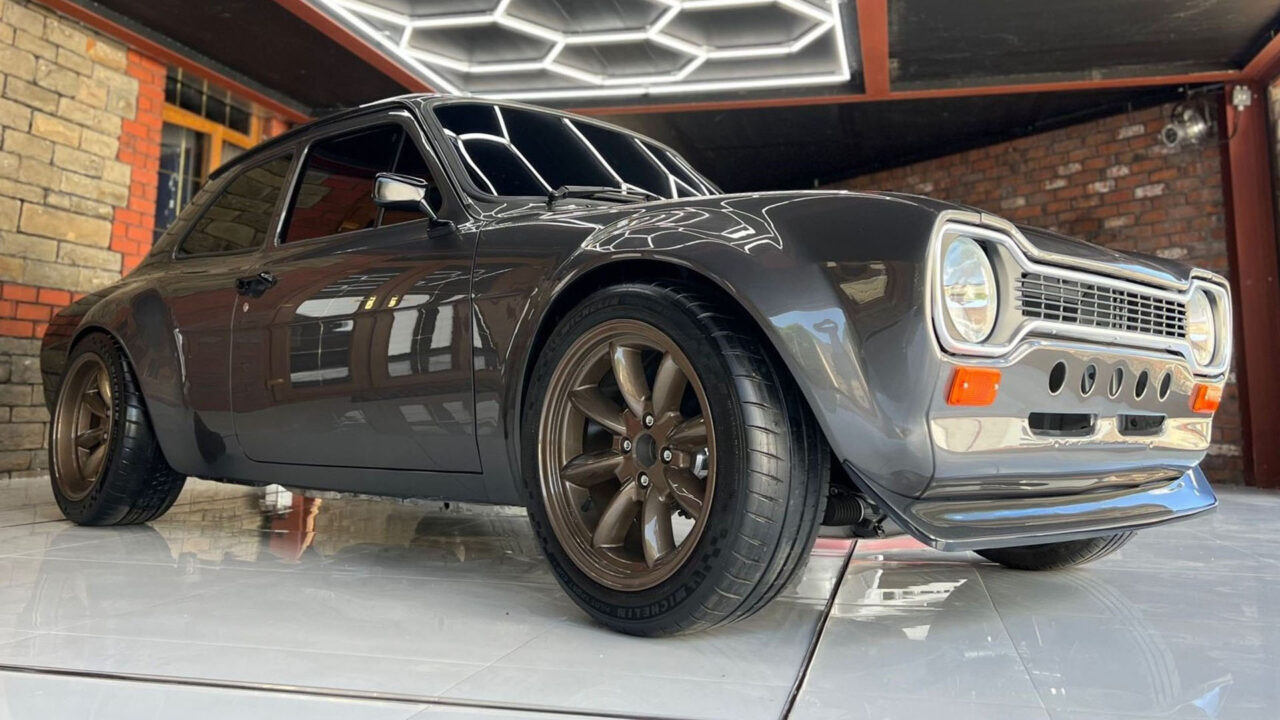
The original Ford Escort Mk1 is a rally icon, but MST turns it into something far more extreme. But the thing is, the MST Mk1 isn’t an Escort at all, it’s a brand-new continuation car built from the ground up with modern engineering and obsessive attention to detail.
MST’s Mk1 EVO starts with an all-new lightweight bodyshell built to motorsport-spec rigidity. Under that vintage skin lives a modern rally-grade suspension system, reinforced mounting points, AP Racing brakes, and fresh fabrication everywhere you look. It’s essentially a brand-new Group 4 Escort, only faster, sharper, and way more planted. Under the hood, it has a 2.8-liter Millington Diamond series engine. This high-revving, naturally aspirated four-cylinder screams past 300 horsepower, which is all sent to the rear via a close-ratio gearbox and plated diff.
MST Mk2 Evo-X
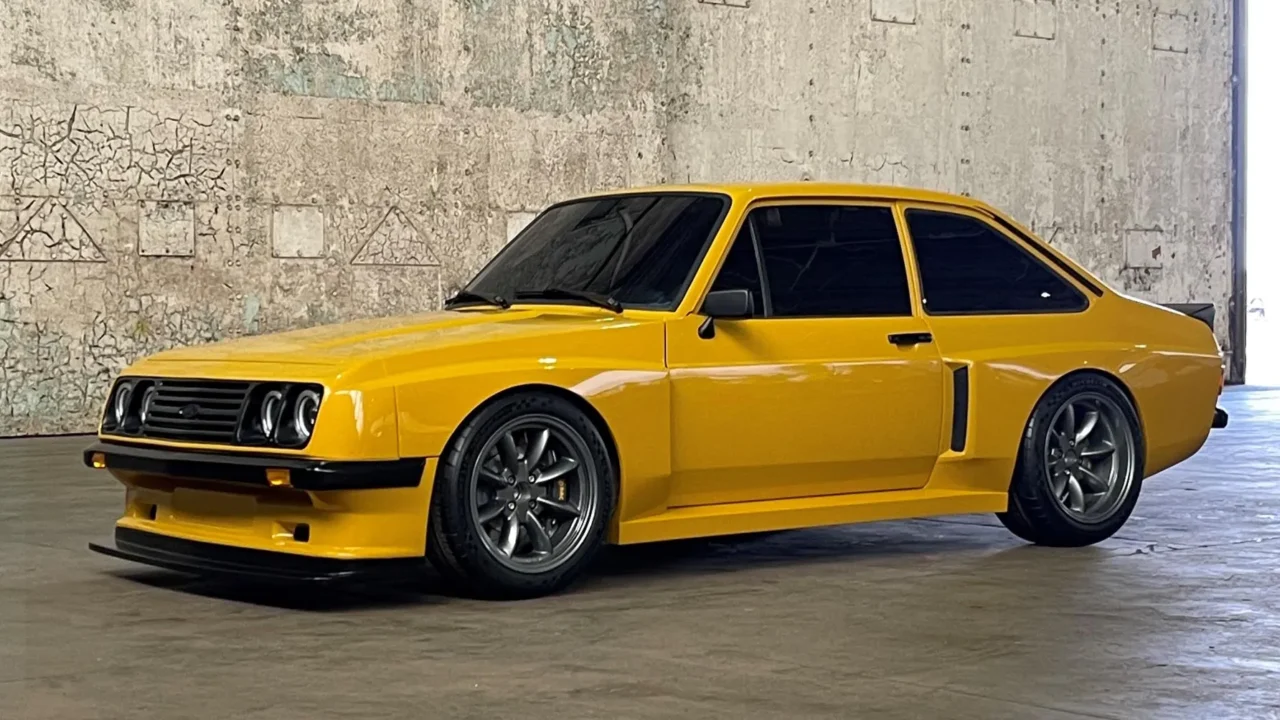
Think of the MST Mk2 Evo-X as the Mk1’s angrier, more unhinged younger sibling. Built for drivers who want more grip and power, it uses an evolved chassis with a full carbon body kit consisting of wider arches and more aero. To back up its mean looks, the Mk2 Evo-X comes with some rather insane engine options.
In its top-spec version, the Mk2 Evo-X is armed with a 2.9-liter Millington Diamond engine that fires a whopping 365 hp straight at the 17-inch Michelin Pilot Sport Cup tires. Buyers can also choose between a six-speed sequential or a five-speed ‘H’ pattern gearbox, and to slow things down, there is a set of AP Racing six-piston brakes hiding behind the 8-spoke rims.
Kimera EVO37
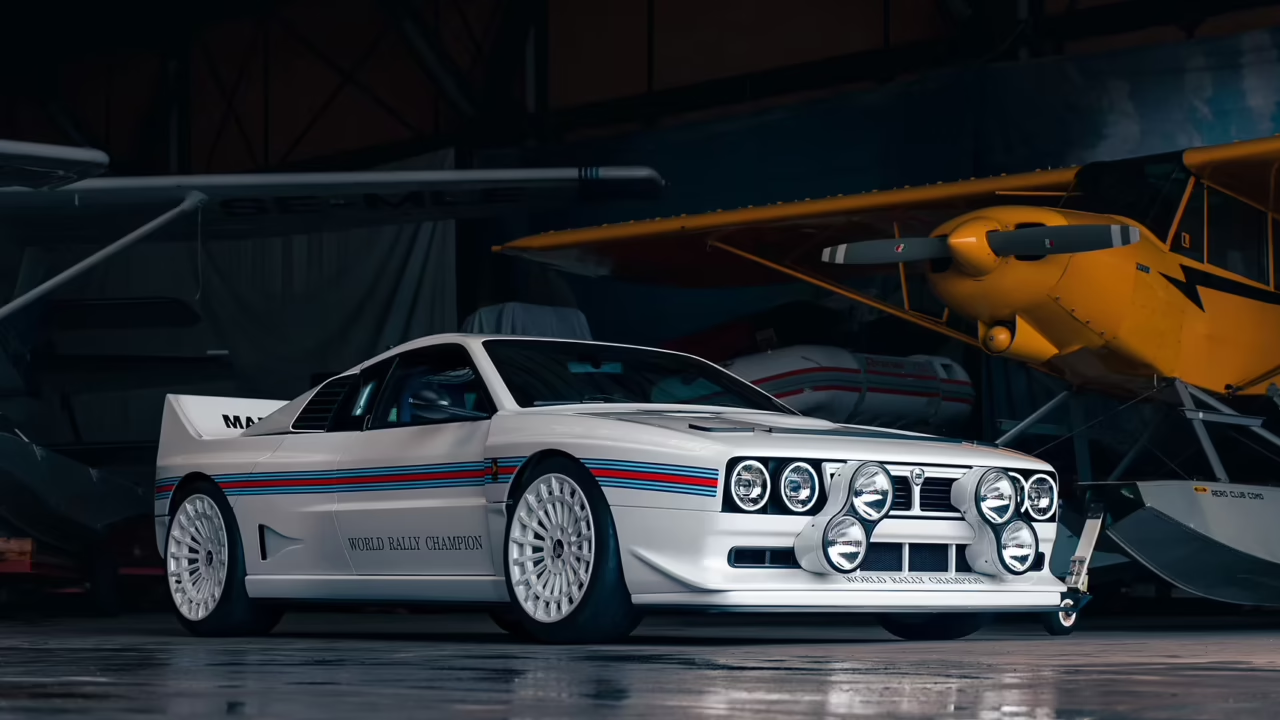
The Kimera EVO37 is one of the wildest restomods ever built. It’s a modern reincarnation of the Lancia 037 World Rally Champion, and Kimera took all the things that made the original great and turned it up to 11, resurrecting the soul of the legend in the process.
Built around a lightweight tubular chassis with modern composites and aero, the EVO37 uses a twincharged 2.1-liter four-cylinder producing 500+ hp. Yes, that’s right, it has both a turbo and a supercharger, just like the old Lancia S4… but without the horrible unreliability. The Kimera Evo37 is a Group B fantasy come to life, but usable and beautifully crafted. Certainly one of the greatest restomods of the modern era.
Maturo Stradale
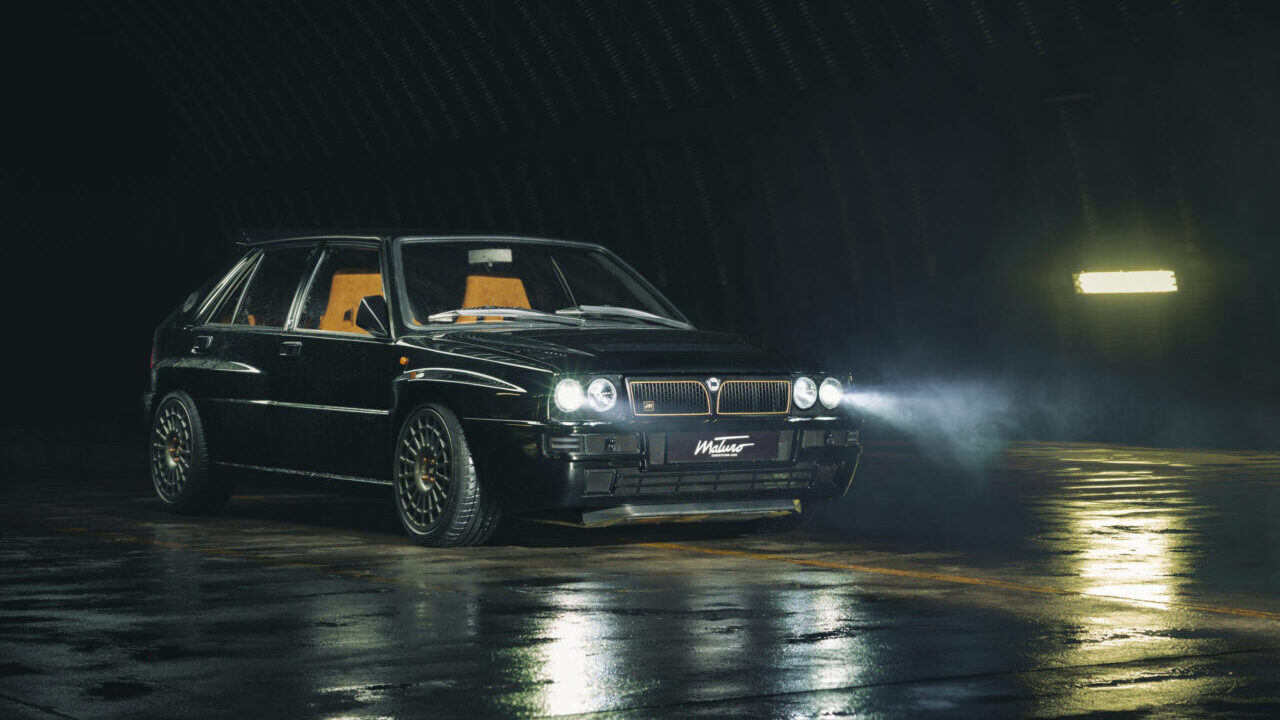
Most companies do “tribute builds.” Maturo builds modern Group A rally cars for the road. The Maturo Stradale begins as a Lancia Delta Integrale, then gets stripped to bare metal so that any imperfections are dealt with before rebuilding it with a redesigned shell, bespoke suspension, and a hand-built engine pushing 400 horsepower.
Thanks to the addition of a custom-built roll cage along with welds at over 250 weak spots, the chassis gains significant structural rigidity. Through extensive use of carbon fiber, the Stradale is also 110 lbs lighter than a standard Integrale. It’s the closest thing to buying a brand-new Lancia WRC car.
Tuthill Porsche 911K
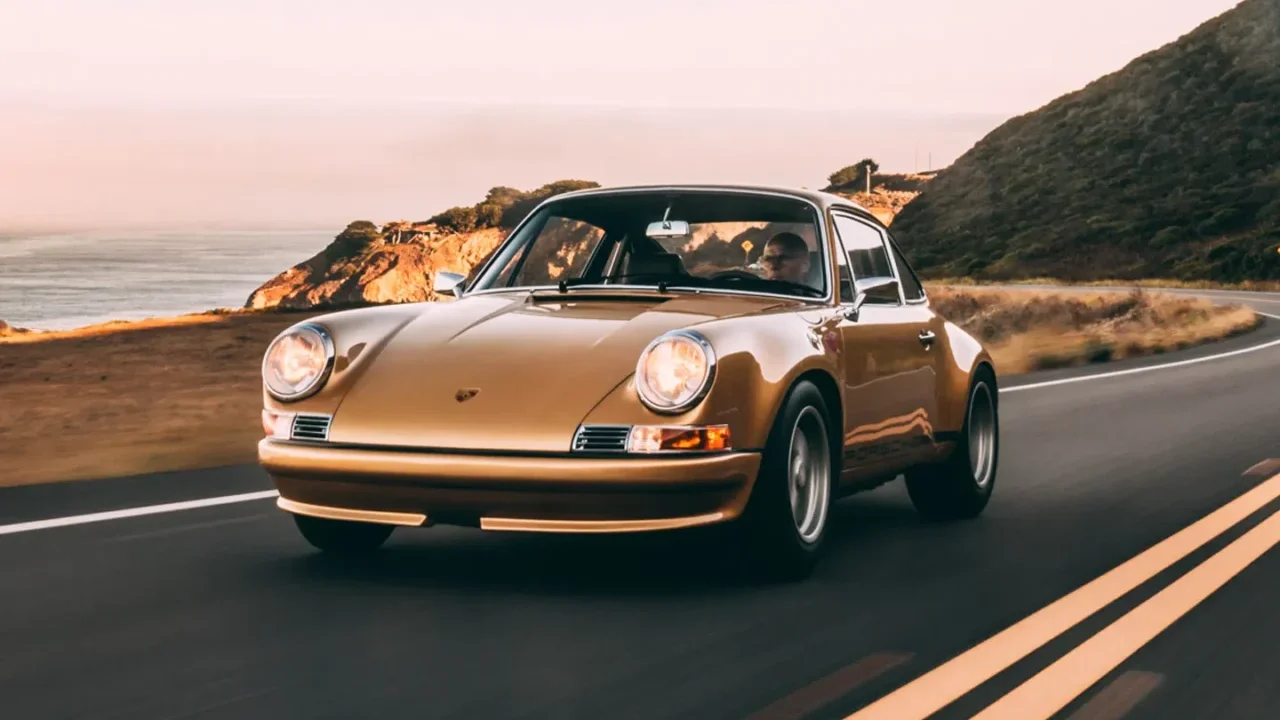
Tuthill knows rally. They’ve been building rally-spec 911s for decades. The 911K is Tuthill’s masterpiece in the form of a 1970s-style Porsche stripped to the bone and rebuilt with carbon panels, titanium components, and obsessive motorsport engineering.
Behind the driver, there’s a 3.1-liter air-cooled engine that revs to 11,000 rpm. Eleven thousand! And it produces north of 350 hp on its way to the redline, all of which goes straight to the rear 15-inch Fuchs-style carbon wheels via a six-speed, magnesium-cased, manual gearbox. Seeing as the whole car weighs in at a mere 1,874 lbs, the 911K is a screaming, mechanical, uncompromising track animal.
Prodrive P25
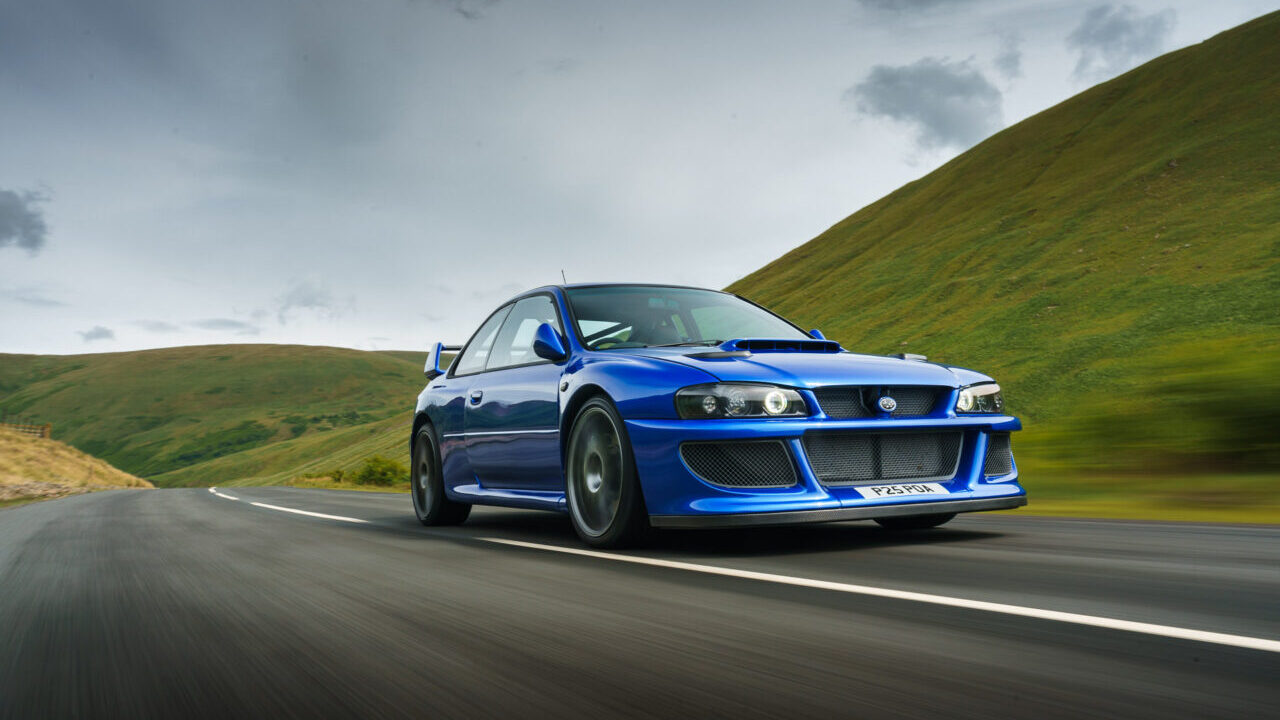
Imagine Subaru’s legendary 22B WRX, but updated by the same company that engineered the Impreza’s rally dominance. That’s the Prodrive P25, a limited-edition, high-performance “restomod” Subaru Impreza by Prodrive to celebrate the two-door Subaru Impreza World Rally Car (WRC) that won the Manufacturer’s Title in its inaugural season back in ’97.
Thanks to a carbon-fiber-heavy body on a modern chassis, the P25 now weighs in at less than 2,645 lbs. Under the vented hood, it still has a turbocharged flat-four engine, but it now measures in at 2.5 liters and produces 450-horsepower. Being a Subaru, it makes sense that it’s all-wheel drive, which helps send it to 60 mph in under 3 seconds. Prodrive threw in some other goodies as well, such as a 6-speed sequential gearbox with padde-shift, rally-inspired components like an anti-lag system and hydraulic handbrake, and behind the 19-inch wheels, we can see a set of massive AP Racing brakes. Only 25 Prodrive P25s were produced, each costing over half a million pounds.
Cyan Racing P1800 GT
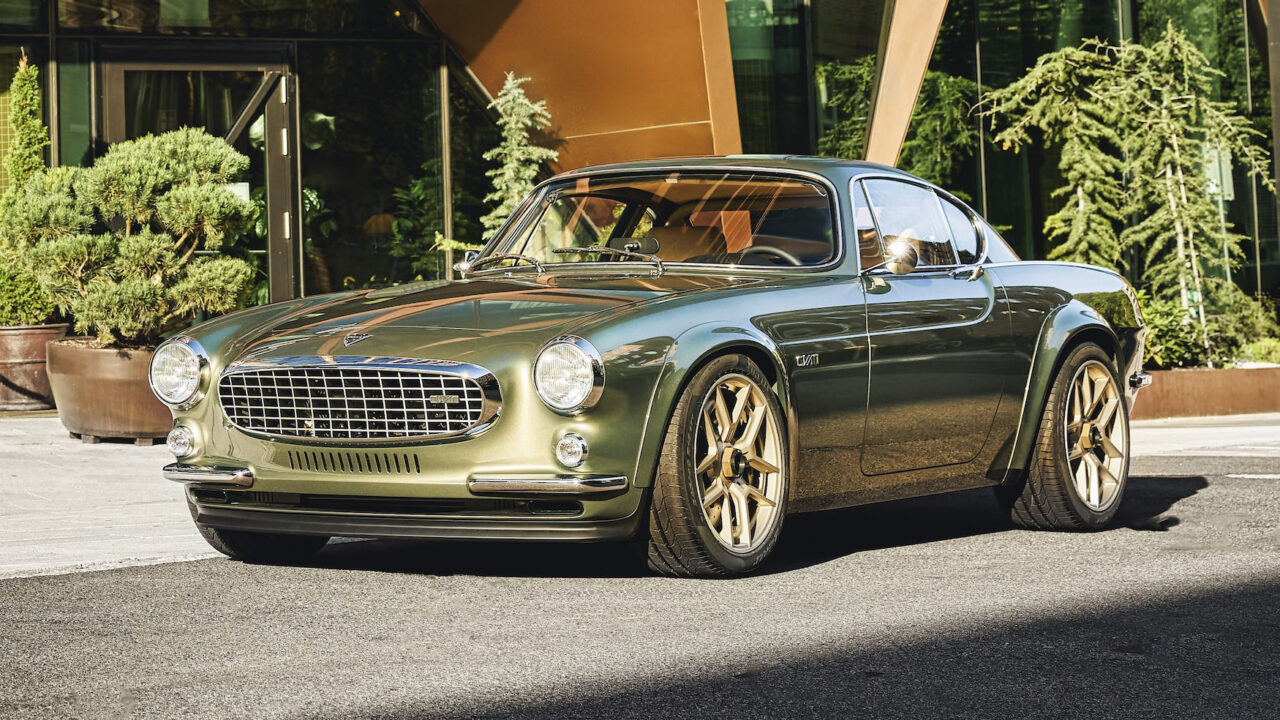
When creating the Volvo P1800 Cyan GT, they strip the original P1800 down to its bones and rebuild it using a full carbon-fiber body, reinforced with a modernized chassis featuring custom subframes, upgraded rigidity, and finely tuned suspension components for long-distance GT performance rather than raw track aggression. Power comes courtesy of Cyan’s WTCC-derived 2.0-liter turbocharged four-cylinder, producing around 420 horsepower, paired with a close-ratio 5-speed Holinger manual sending power to the rear wheels. There’s no traction control, no electronics, just pure mechanical grip.
AP Racing brakes, lightweight forged wheels, and a limited-slip differential round out the performance package. Inside, it blends 1960s minimalism with modern craftsmanship, like a touring racer dressed in a tailored suit.
Smit Vehicle Engineering Oletha (BMW Z4)
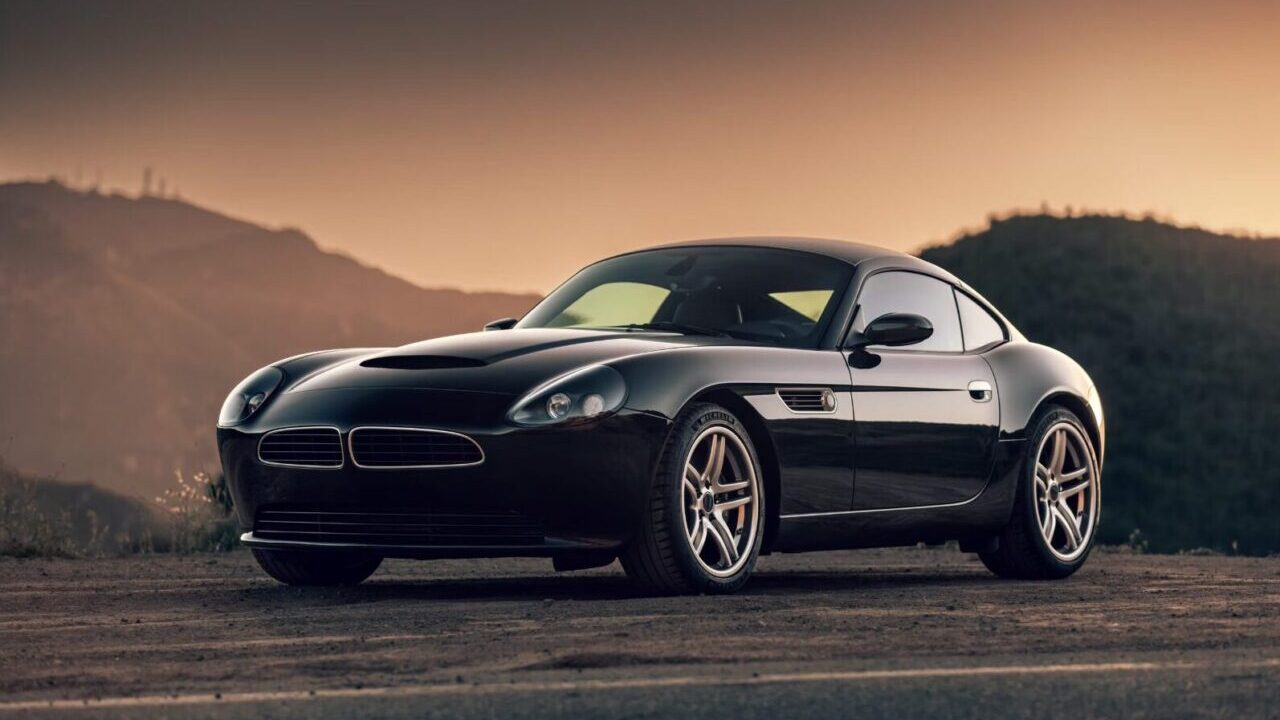
The Smit Oletha is the car BMW should have built, but never did. Basically, SVE takes a BMW Z4 coupe body and reshapes it to look like a mini Z8 using carbon fiber. To say it looks good is an understatement.
Luckily, Smit offers it with a selection of potent engines to match its looks, such as a reworked 3.4-liter version of the S54 inline-six from the E46 M3, producing over 400 horsepower. Or perhaps you’d prefer a modified S65B44 V8 from the E92 M3, stroked to 4.4 liters and producing over 450 horsepower?! It also features a six-speed manual gearbox, a mechanical limited-slip differential, and high-performance components such as KW suspension and AP Racing brakes. The Oletha is elegant, muscular, and beautifully engineered. A true masterpiece!
Fifteen Eleven Design 914
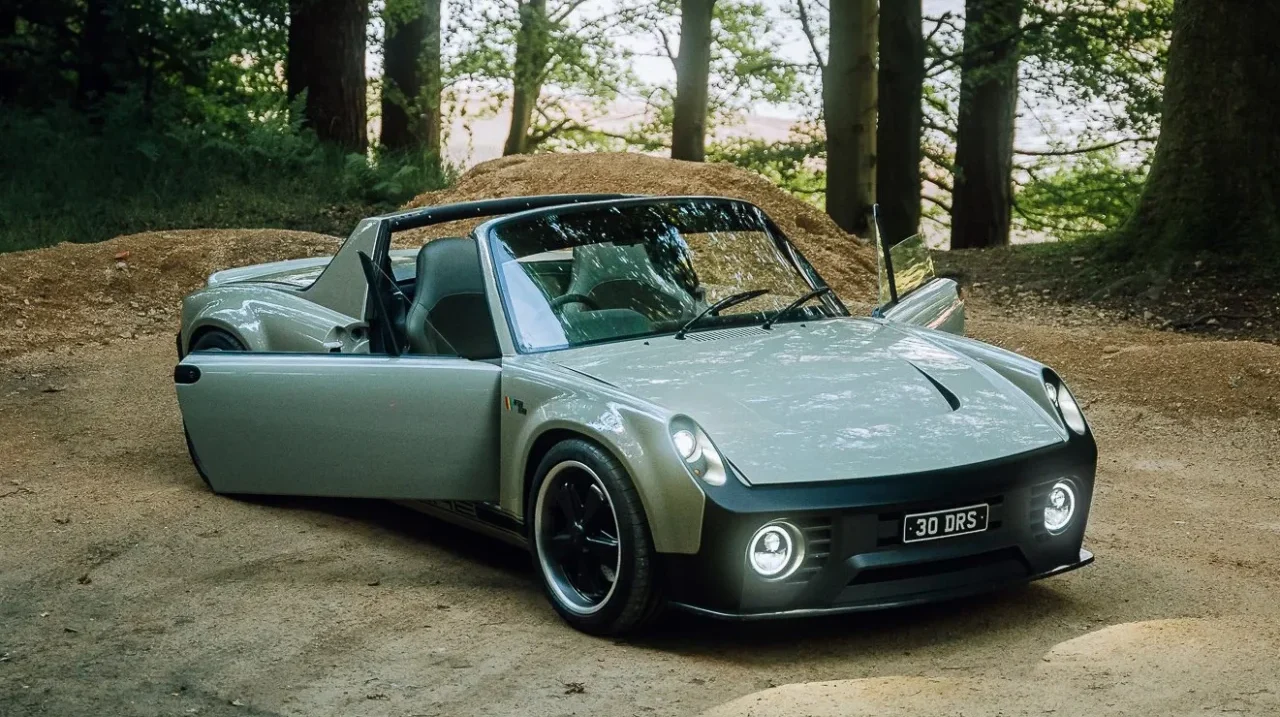
Porsche purists have always had mixed feelings about the 914, but UK-based Fifteen Eleven Design decided to show everyone what the platform is capable of.
They take the original 914’s mid-engined, Targa-topped body and give it a carbon fiber overhaul. This lightweight package then receives various modern technology upgrades, including a 3.8-liter flat-six engine from a Porsche Cayman S, that sends around 400 hp to the 18-inch rear Fuchs wheels via a 6-speed transmission. With Reiger three-way adjustable coil-over shock absorbers and a set of Brembo four-piston calipers clamping down on cross-drilled and vented discs, it even handles and stops like a modern supercar.
Evoluto 355
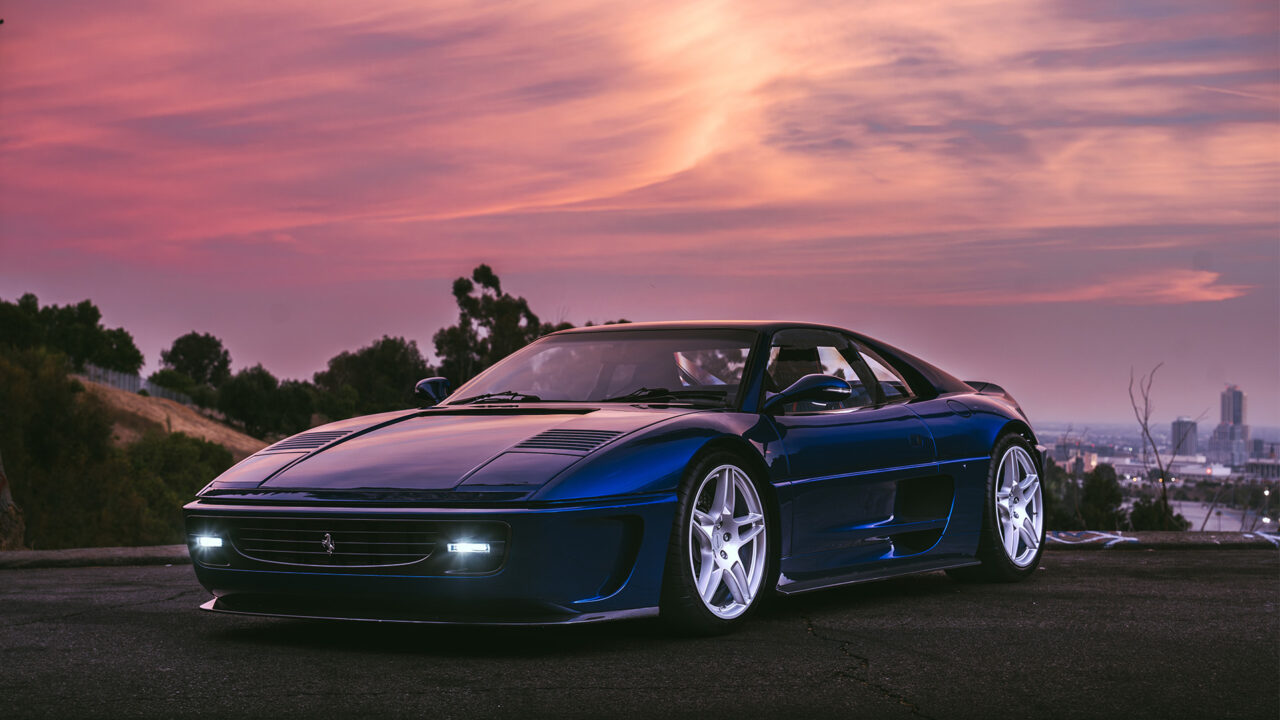
In my humble opinion, the Ferrari 355 is one of the best-looking cars to ever emerge from Maranello, but somehow, UK-based firm Evoluto Automobili managed to improve it. Their Evoluto 355 is a re-engineered and modernized version of the 1990s Ferrari F355.
This stylish beast features a new carbon-fiber body, an updated naturally aspirated V8 engine producing 420 horsepower (along with a glorious soundtrack), enhanced performance, and a completely restyled interior. The project focuses on a “Peak Analogue” driving experience, is limited to just 55 bespoke units.
TWR Supercat
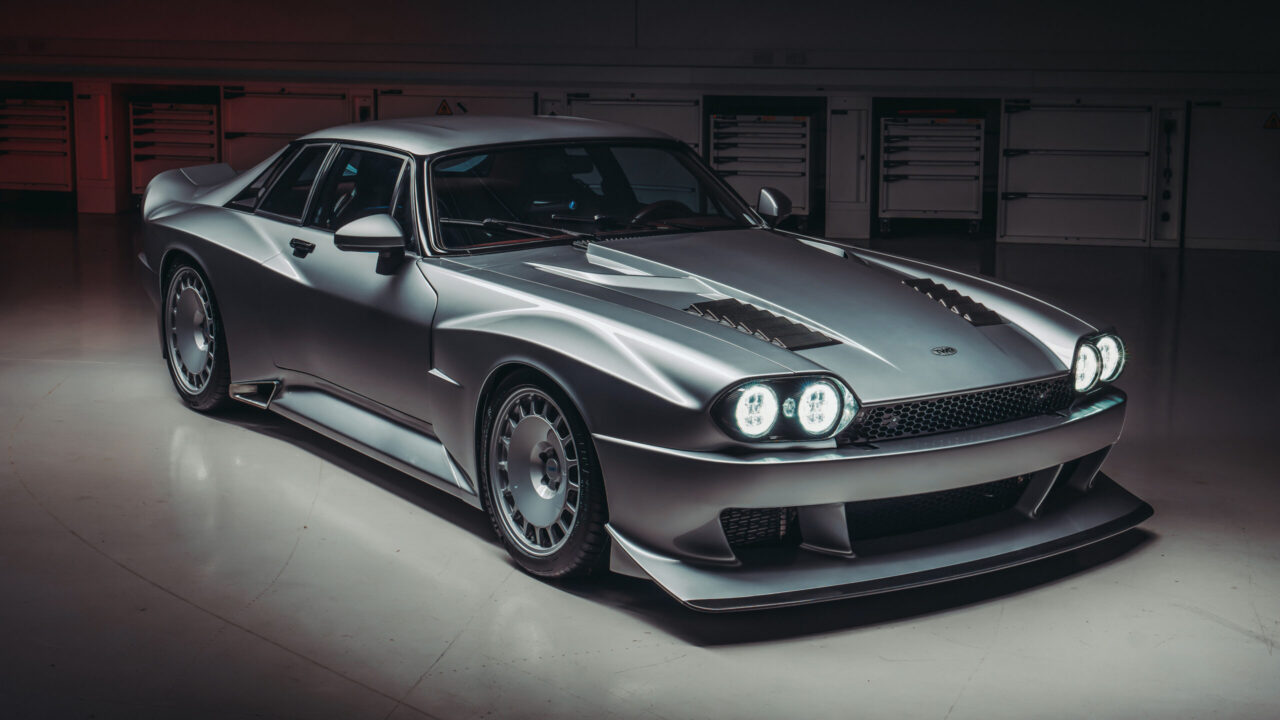
Tom Walkinshaw Racing helped shape Jaguar’s motorsport history, and now TWR is back with the Supercat, a reinterpretation of the XJS that looks like a concept car and drives like a modern GT3 weapon.
It’s packing a 660-horsepower supercharged 5.6-liter V12 engine, a six-speed manual transmission, and a modern, lightweight carbon fiber body, which helps bring the weight down to around 3,538 lbs. The Supercat is designed to be both a comfortable grand tourer and a capable track car, combining classic inspiration with modern engineering.
Built By Legends R34
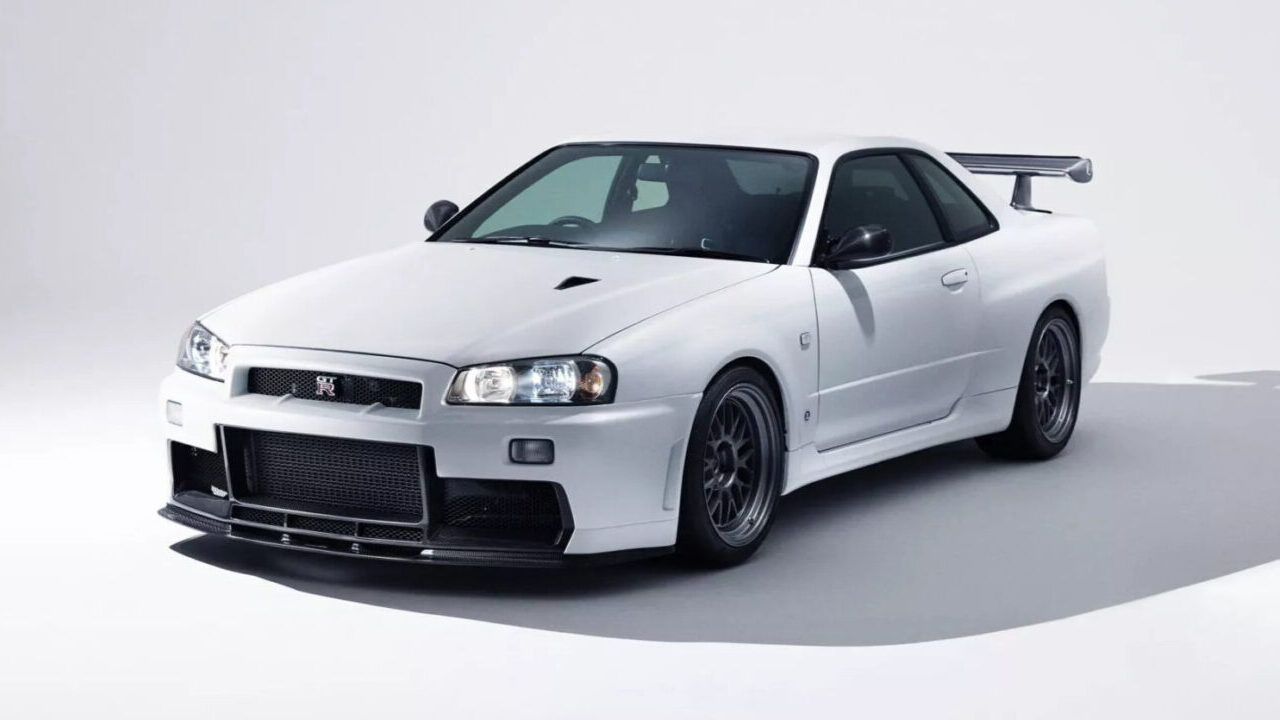
The Built By Legends R34 is a comprehensively reimagined and restored version of the iconic R34 Nissan Skyline GT-R, that blends the classic Japanese performance car with modern engineering and luxury. The project is a collaboration between the company Built By Legends and renowned Japanese tuning specialists, most notably MINE’S and Garage Yoshida.
Each BBL R34 undergoes a meticulous, ground-up restoration process that takes nearly a year to complete. The donor car is stripped to a bare chassis, measured with a 3D alignment system, and then reinforced with over 400 additional spot welds to increase rigidity and handling performance. The chassis is also rust-proofed and powder-coated, and extensive use of dry carbon fiber parts helps keep the weight down. The original 2.6-liter twin-turbocharged inline-six RB26DETT engine is replaced with a MINE’S MB7 version, which is a bored-out 2.8-liter unit producing around 650 horsepower. All that power is sent to the wheels via a Getrag six-speed manual transmission, and there’s an upgraded Aragosta Type S sport suspension and high-performance AP Racing brakes to keep everything in check.
HWA AG 190E Evo II
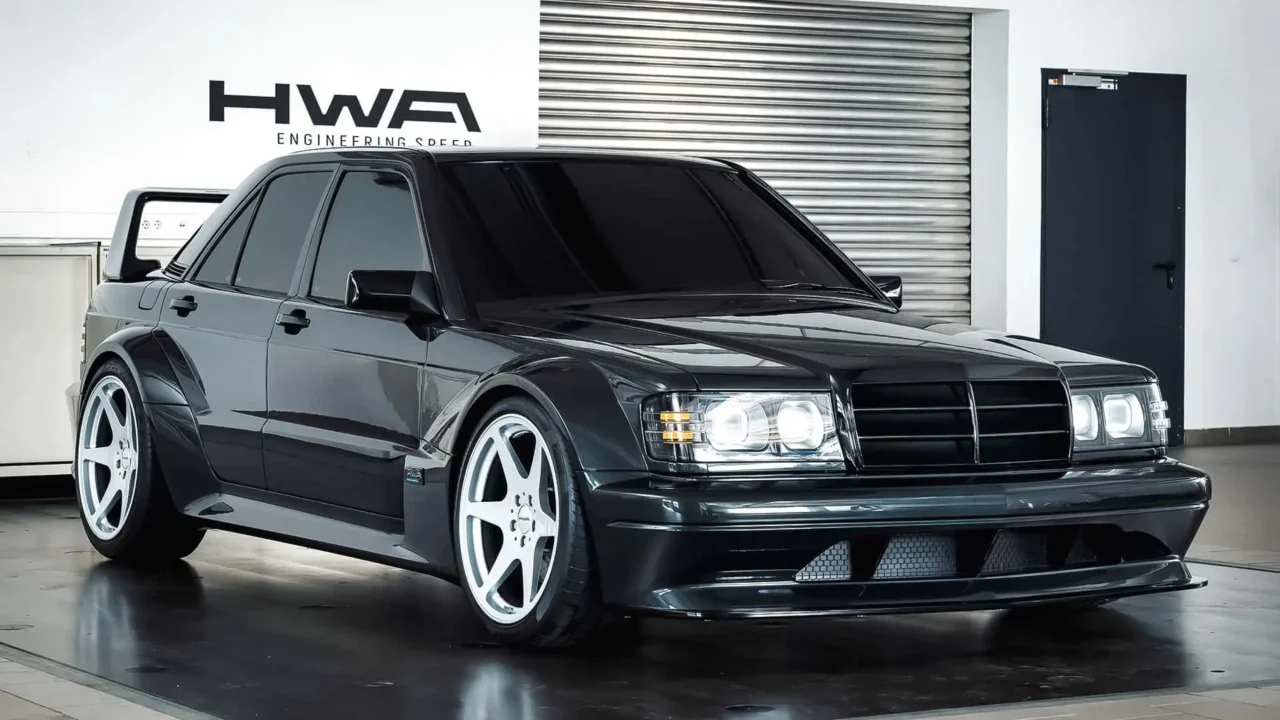
The W201 Mercedes-Benz 190E Evo II is already a DTM legend, but HWA decided to build a modern, road-legal interpretation of it. While it does use a 190E donor car, it features a new carbon fiber body that’s even wider than the original car.
Under the hood, it has a 3.0-liter twin-turbo V6 engine producing around 450-500 horsepower, and power is sent to the wheels via a six-speed manual transmission. the HWA Evo also has a host of modern performance and safety technologies, such as high-performance Brembo brakes as standard, with an optional upgrade to carbon ceramics, electronic stability control, and the front end is even designed to meet current crash test standard. This is a high-performance “restomod” built for both the road and track, with only 100 units planned for production, at starting price of approximately €714,000 (plus VAT).
BMW M3 by Redux
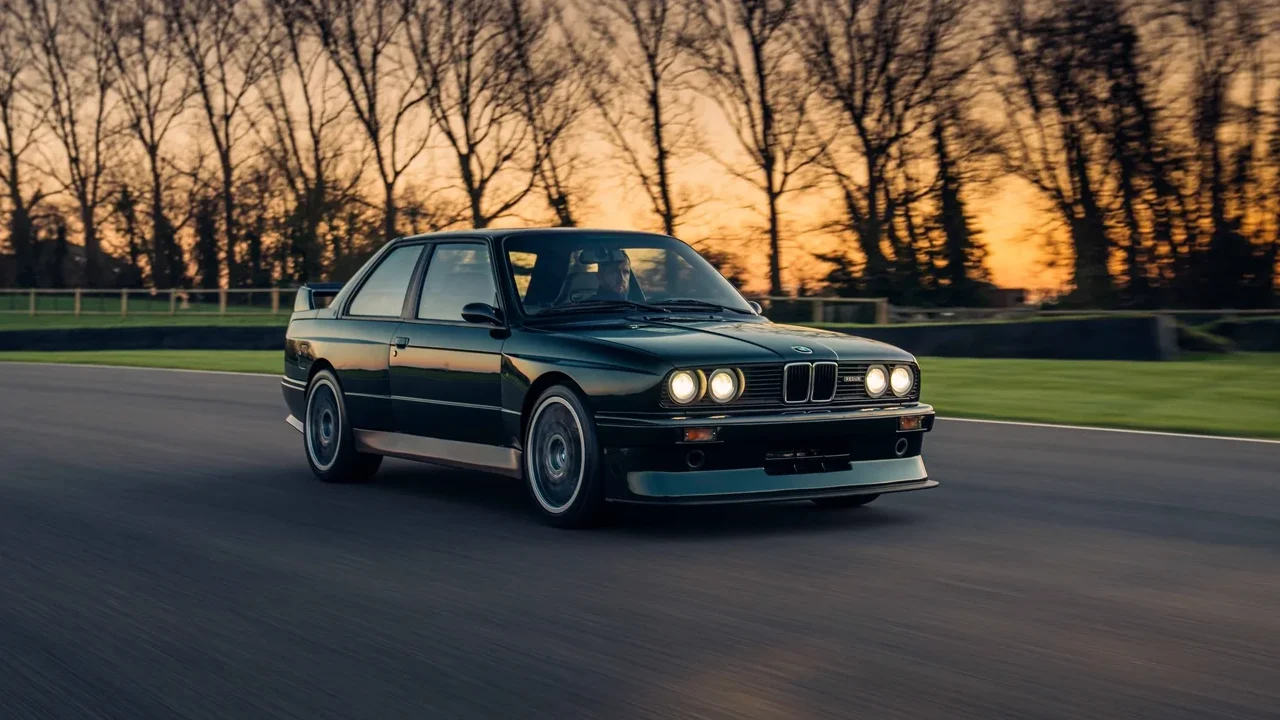
Redux takes the E30 M3, which is already one of the greatest driver’s cars ever, and rebuilds it with modern tolerances, bespoke components, and obsessive craftsmanship. Several body panels are replaced with carbon fiber to reduce weight, and the iconic fender flares are widened to accommodate larger wheels.
The 2.5-liter four-cylinder engine is re-engineered to deliver approximately 300 horsepower, a significant increase from the original engine’s output. The original dogleg gearbox is retained but includes modern upgrades like a quick-shift assembly. To keep things under control when the throttle is floored, the car features upgraded suspension components, including Group A Bilstein dampers and modified control arms, and the high-performance AP Racing brakes help bring things to a halt. , with a carbon ceramic option available. With the 30 hand-built, limited edition E30 BMW M3s, Redux has created an E30 CSL that the Bavarians never produced themselves.
Porsche 911 Reimagined by Singer

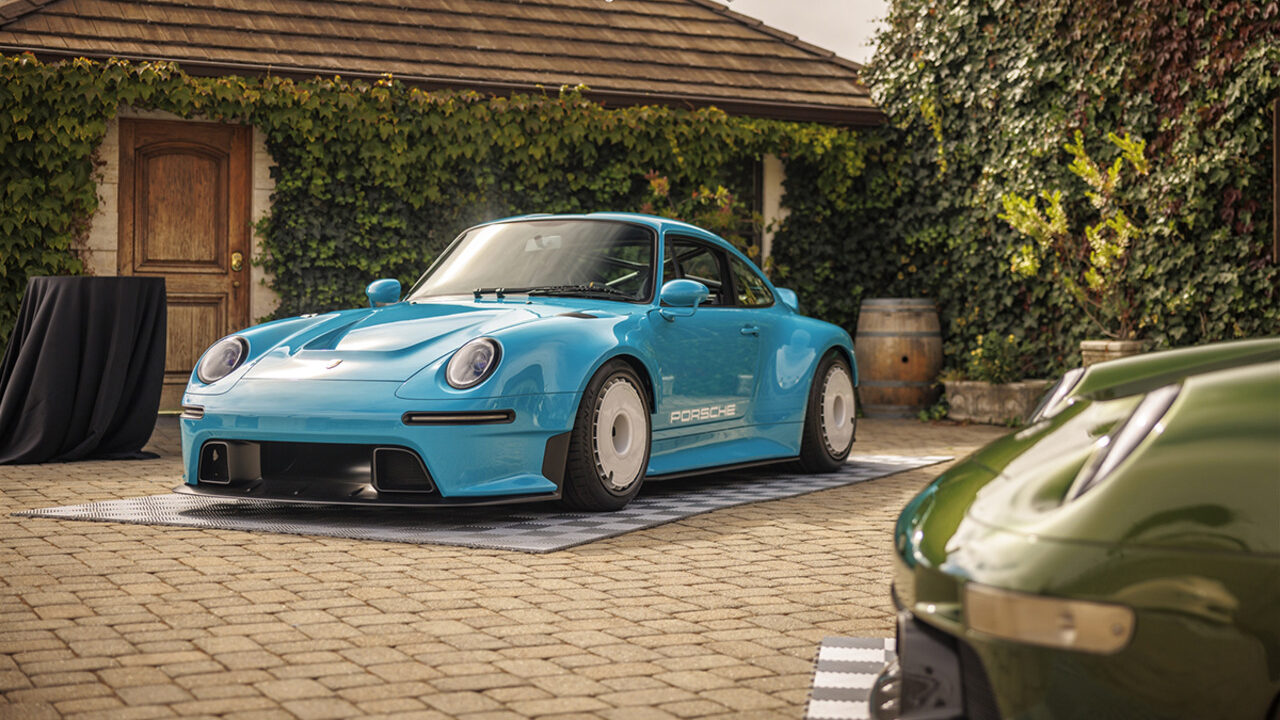
There was never any doubt that Singer would be on this list! This is the brand that pushed restomods into the mainstream. Their formula is simple: take an air-cooled 911, typically based on the 964 generation, reengineer everything with aerospace precision, and build the most beautiful Porsche you’ll ever see.
Each car is completely disassembled and then meticulously rebuilt from the ground up with new carbon fiber bodywork. Of course, those stunning looks need powerful engines, which are built by companies such as Cosworth, Williams Advanced Engineering, and Porsche Motorsport North America. Singer then adds modern performance enhancements, such as updated suspension, brakes, and electronic stability control, while often retaining a manual transmission and rear-wheel drive. Each vehicle is a unique, high-performance “homage” to classic 911s, tailored to the specific requests of the owner, and can cost hundreds of thousands to over a million dollars.
Automobili Amos Delta Futurista
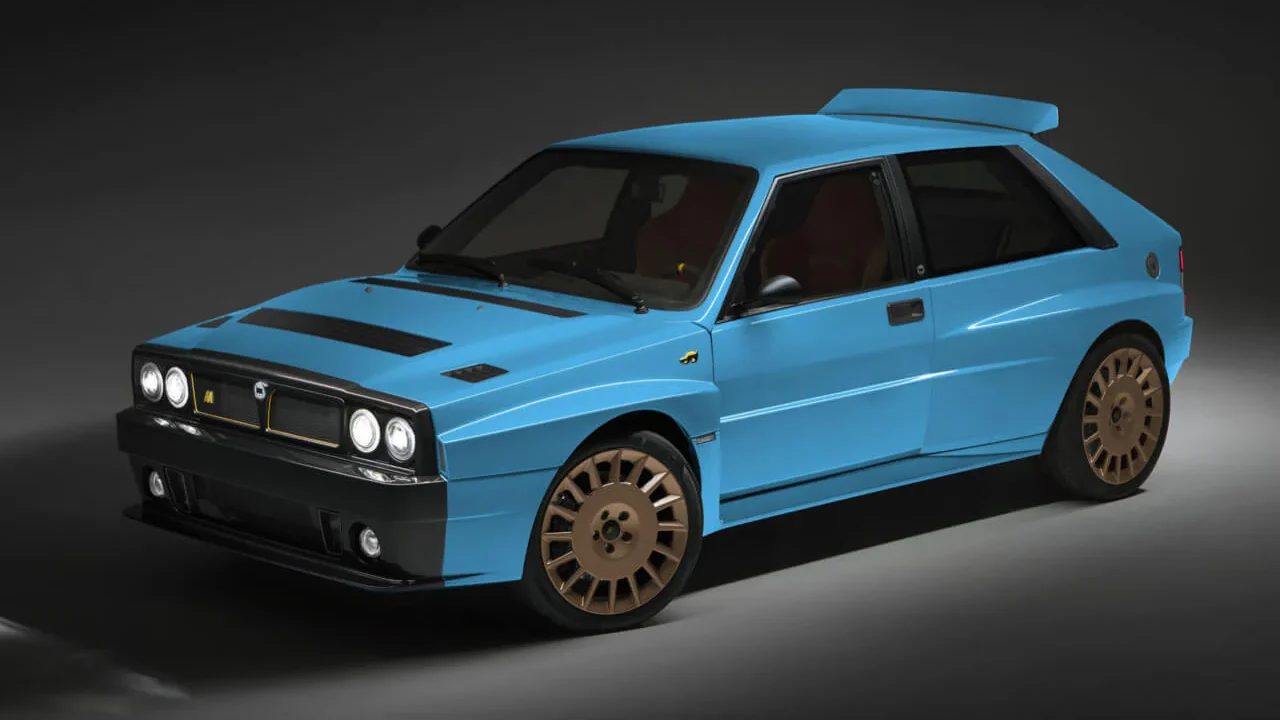
Like the Maturo Stradale, the Automobili Amos Delta Futurista is a modern, hand-built reimagining of the classic Lancia Delta Integrale, this time created by Italian company Automobili Amos. The Italians remove the rear doors in the process, turning the Delta Integrale into a two-door hatchback that features extensive use of carbon fiber and aluminum to reduce weight, and the Futurista weighs approximately 2,756 lbs.
It also has a significantly upgraded 330-horsepower turbocharged engine and a re-engineered suspension that eliminates the original car’s understeer, using components such as a double wishbone setup and an integrated roll cage. The interior includes Recaro front seats and a custom steering wheel, with a modern and minimalist design that pays homage to the original Delta. The Futurista is considered a tribute to the Group A rally era of the Lancia Delta Integrale, with a focus on pure, analog driving experience. Each car was a bespoke, hand-built project, with a high price point that reflected its custom nature. Only 20 were originally built, all of which were reportedly spoken for before they were even completed.
Eagle E-Type
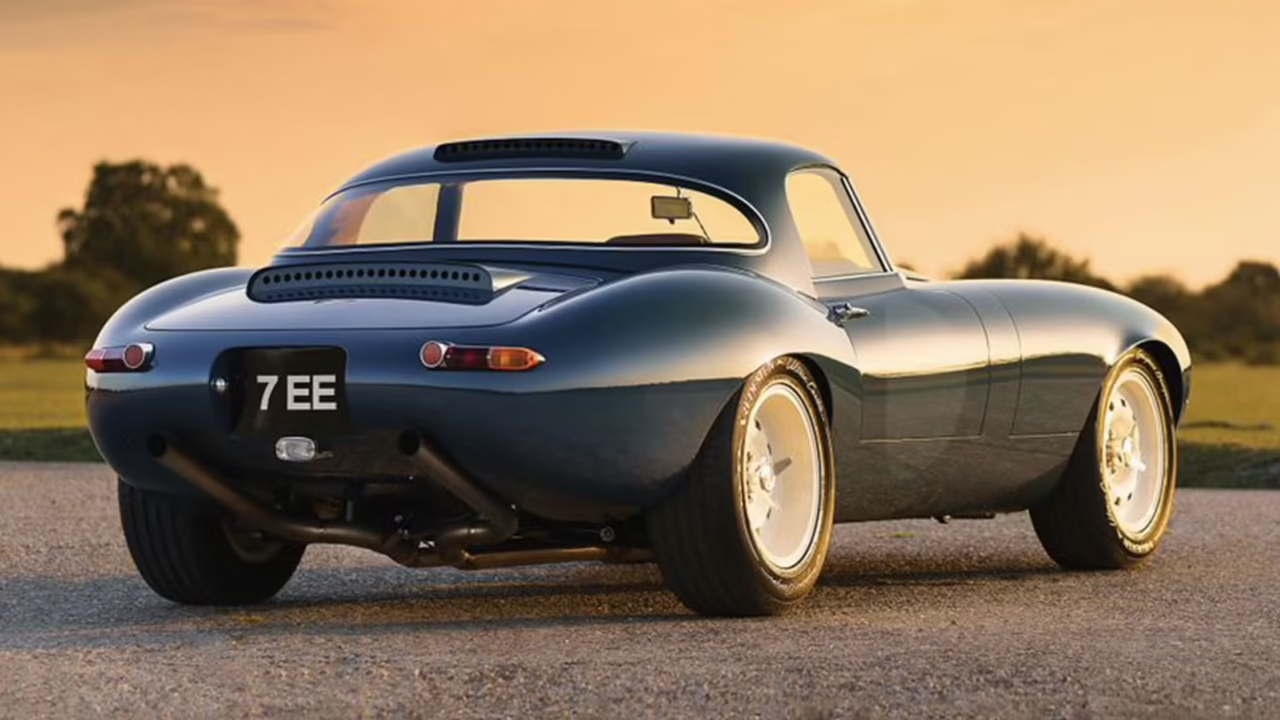
Eagle was founded in 1984 by Henry Pearman and is recognized as a world leader in restoring and enhancing the Jaguar E-Type. They have perfected the art of rebuilding the Jaguar E-Type, and their creations are simply breathtaking, featuring bespoke models like the Speedster, Low Drag GT, Spyder GT, and Lightweight GT, which blend classic design with modern performance.
The Eagle Speedster is an acclaimed homage to the E-Type’s spirit, created from a period original car. The Eagle Low Drag GT is inspired by Malcolm Sayer’s designs and is a capable sports car and long-range tourer. It’s also possible to combine the two, as the Eagle Spyder GT has the Low Drag GT’s performance and the Speedster’s styling. Then we have the more performance-focused models in the form of the Eagle Lightweight GT: An in-house development that serves as a road-going version of Jaguar’s rare, race-focused Lightweight E-Type, and the Eagle Lightweight GTR, which is an even more extreme, racing-focused evolution of the Lightweight GT.
Gunther Werks 993
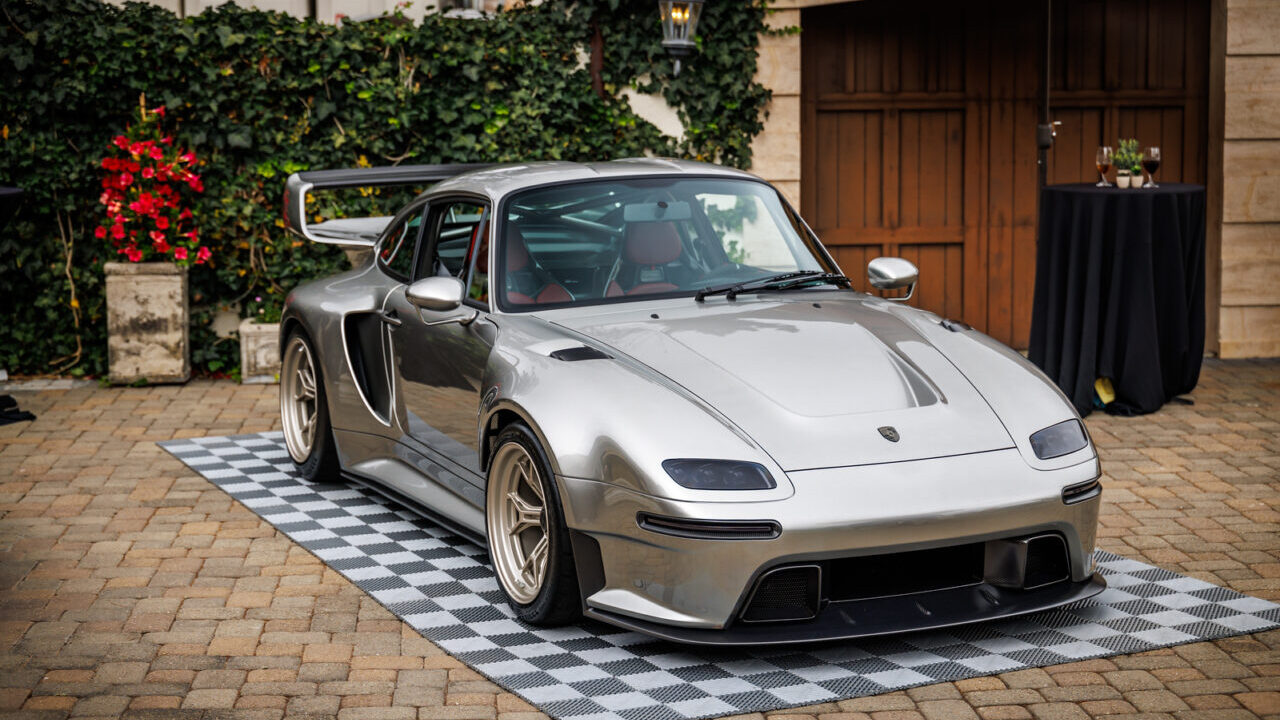
Whereas most Porsche restomodders and outlaw builders seem to prefer the 964 generation, Gunther Werks takes a different route, as their builds are based on the last air-cooled 911 model — the 993 — which is transformed into a wide-body carbon monster. Think of it as a 911 GT3 RS from a universe where Porsche never went water-cooled.
Gunther Werks’ cars are designed to perform at a level comparable to modern sports cars while retaining the analog feel of the original 993. Engines range from 4.0-liter naturally aspirated flat-six engines pumping out 400 hp to a twin-turbocharged version with up to 1000 hp. The entire body is constructed from carbon fiber, which significantly reduces weight and allows for optimized aerodynamics and wider tire fitment. There’s a racing-derived suspension setup with a wider front track to eliminate understeer and a modern electronic JRZ suspension for a comfortable ride, and seeing as they’re engineered for both track and road use, there’s also a hydraulic nose lift system
Nardone Automotive 928
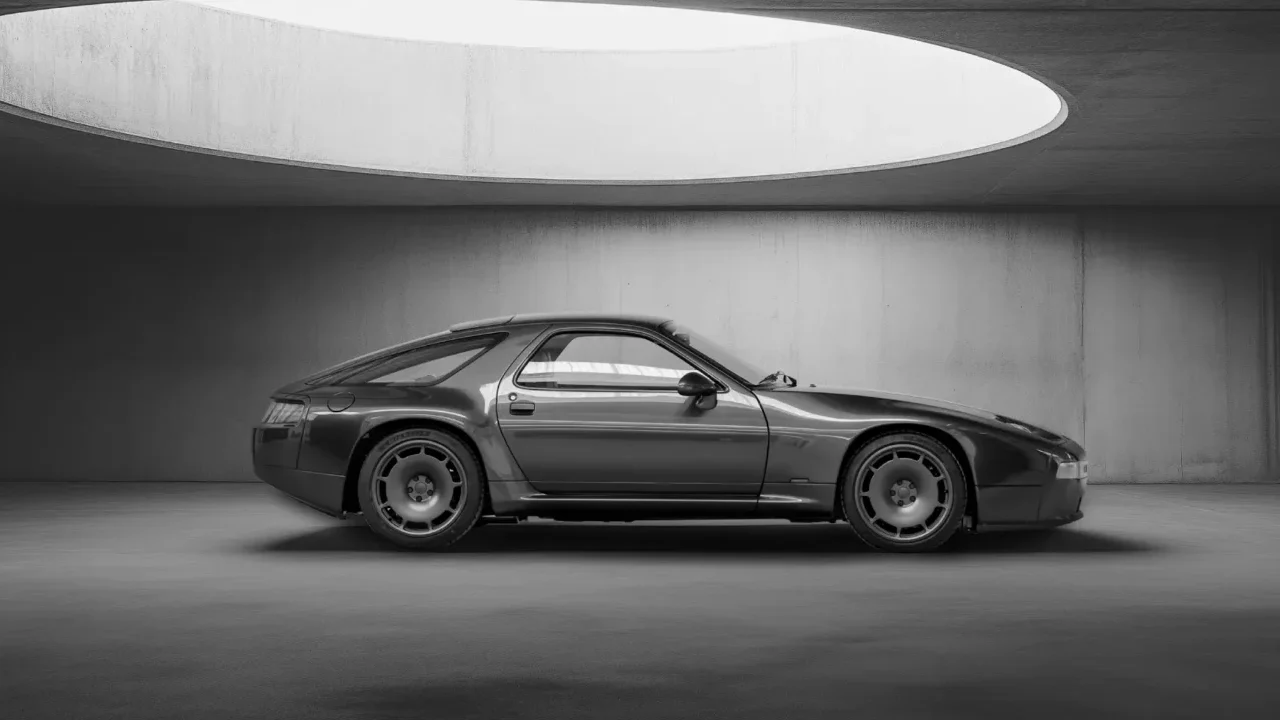
Nobody expected the Porsche 928 to get the restomod treatment… but Nardone Automotive built one of the most beautiful reimaginations ever.
It received a new, mostly carbon fiber body that is 100mm wider at the rear and 80mm wider at the front, and under its long, sleek hood, there’s a significantly modified 5.0L V8 engine producing 450 hp, connected to a custom six-speed gearbox. There’s also redesigned and reinforced axles, a custom-designed 18-inch forged wheel set, and an active electronic suspension system to help keep all that power under control. Inside, we find a minimalist design with a new dashboard, an integrated high-end audio system, and options for Foglizzo leather or Alcantara trim. Nardone has turned the 928 from a misunderstood GT into a modern-day super GT.
Judging by the builds featured here, we’re living in the golden age of analog driving, and these cars are the kings of it.
If you liked this article, please follow us on Facebook for more content like this!
Did you like this article?
Make sure you follow us on Facebook for more builds, guides, and car culture content.

