

People tend to associate American performance cars with muscle and pony cars, even though they’ve churned out countless sports car models over the years.
Well, I decided to do something about that, so I created a list of the most iconic American sports cars, and didn’t include any muscle cars, pony cars, or sports sedans.
All of these sports car models had an impact on the American car scene, even if they weren’t always bestsellers. Today, practically every collector worth their salt wants to get their hands on at least some of them.
Nash Healey
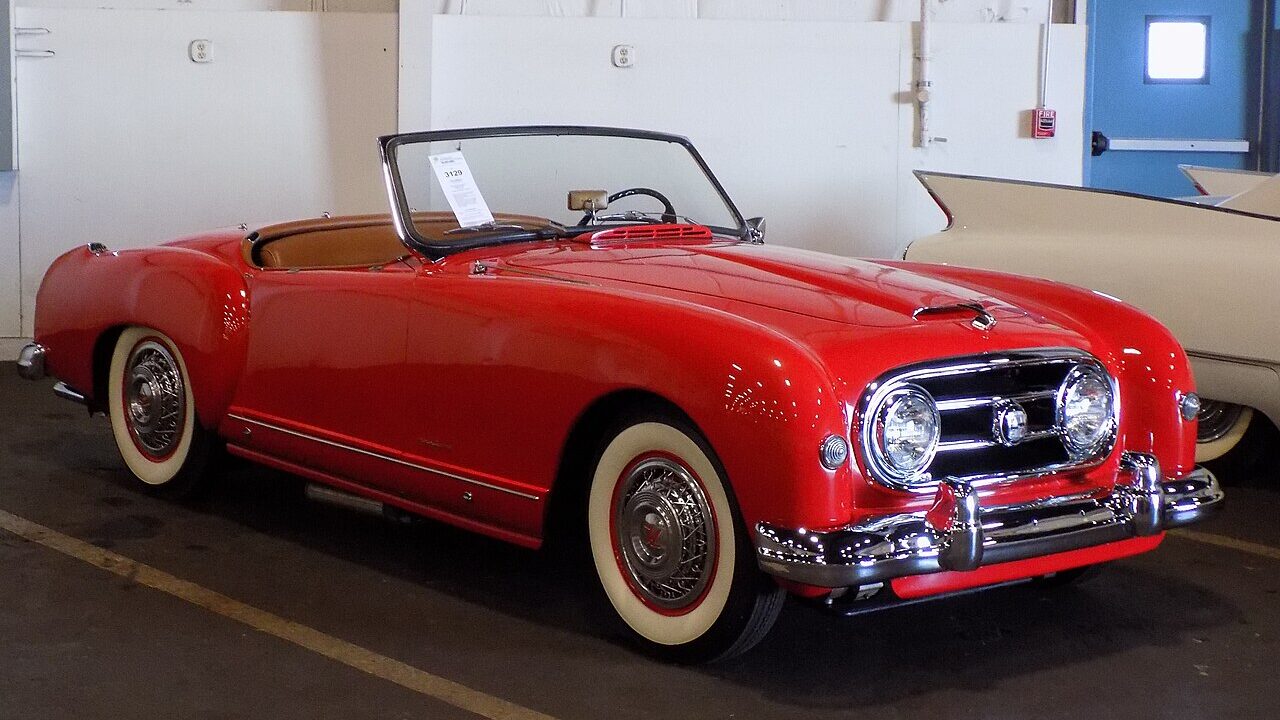
The Nash-Healey was a collaboration between the American manufacturer Nash Motors and British automaker Healey. Nash supplied the drivetrain, while Healey provided the chassis, as well as bodies for the early models.
Introduced in 1951, the Nash-Healey is commonly considered to be the first American sports car by a major manufacturer after WWII. Nash hired Pininfarina to restyle the car in 1952, and final assembly was now done in Italy. Its 3.8-liter inline-six engine produced 125 horsepower, giving it a 0 to 60 mph time of just under 12 seconds and a 103 mph top speed.
Chevrolet Corvette
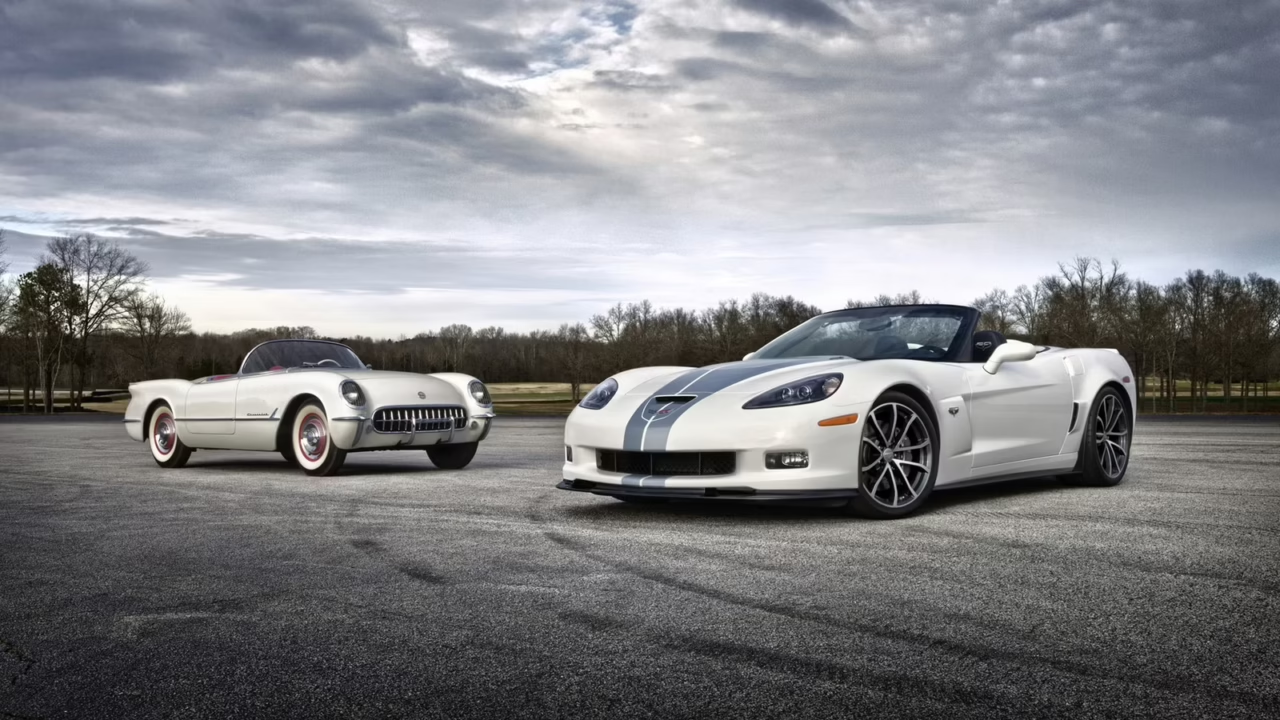
In 1953, Chevrolet introduced what would become one of the most iconic American sports cars ever — the Corvette. Due to mixed reviews and poor sales, largely caused by the Blue Flame inline-6 engine and its two-speed Powerglide automatic, the Corvette was damn near canceled right off the bat.
Luckily, Chevy decided to improve it rather than axe it, and the rest is, as they say, history. Every Corvette built since 1955 has been fitted with a V8 engine, but the latest iteration uses a mid-engine configuration rather than the traditional front-mounted setup.
Ford Thunderbird
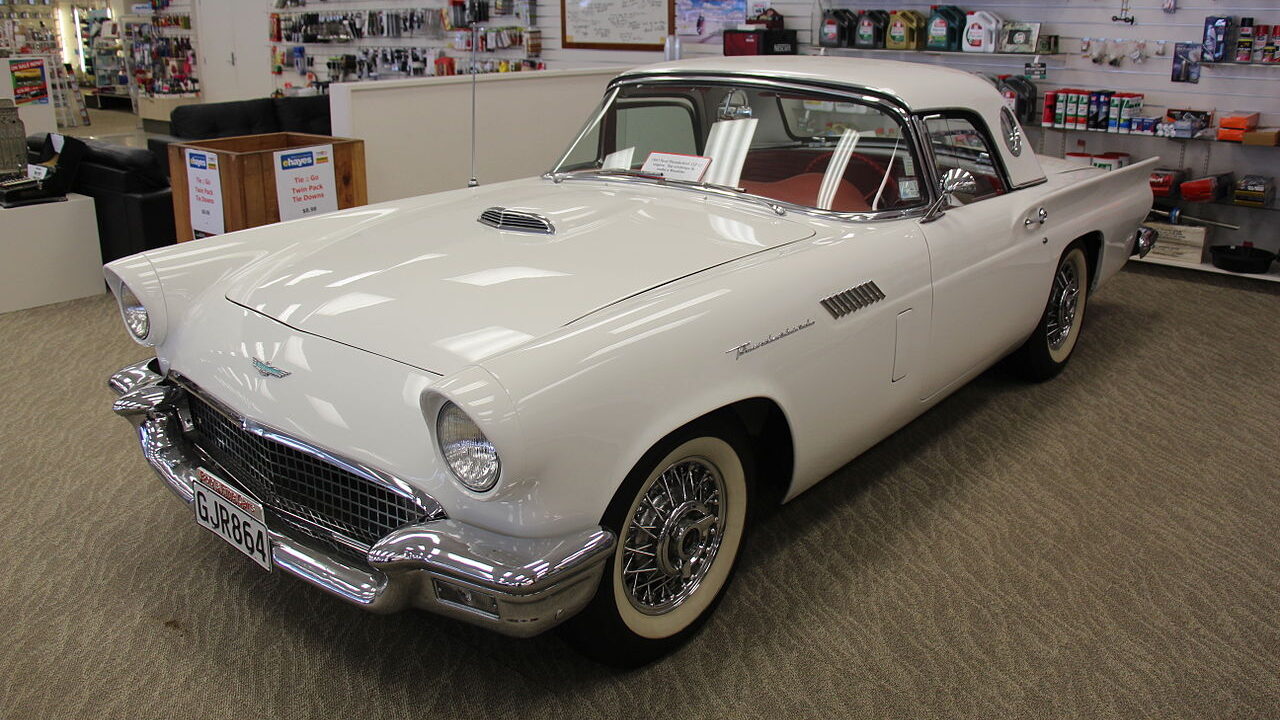
When Ford noticed that the Corvette was a success, the Blue Oval realized it needed to respond, and the Ford Thunderbird was born. Ford may have marketed the Thunderbird as a personal luxury vehicle, but it was an open-top two-seater grand touring machine, which makes it a sports car in my book.
Ford continued to produce the Thunderbird for 11 generations, but after the fourth generation in the mid-1960s, there wasn’t much sportiness left. The last generation was a noble attempt by Ford to revive some of its original magic, but it ultimately failed, and the name was retired in 2005.
Shelby Cobra
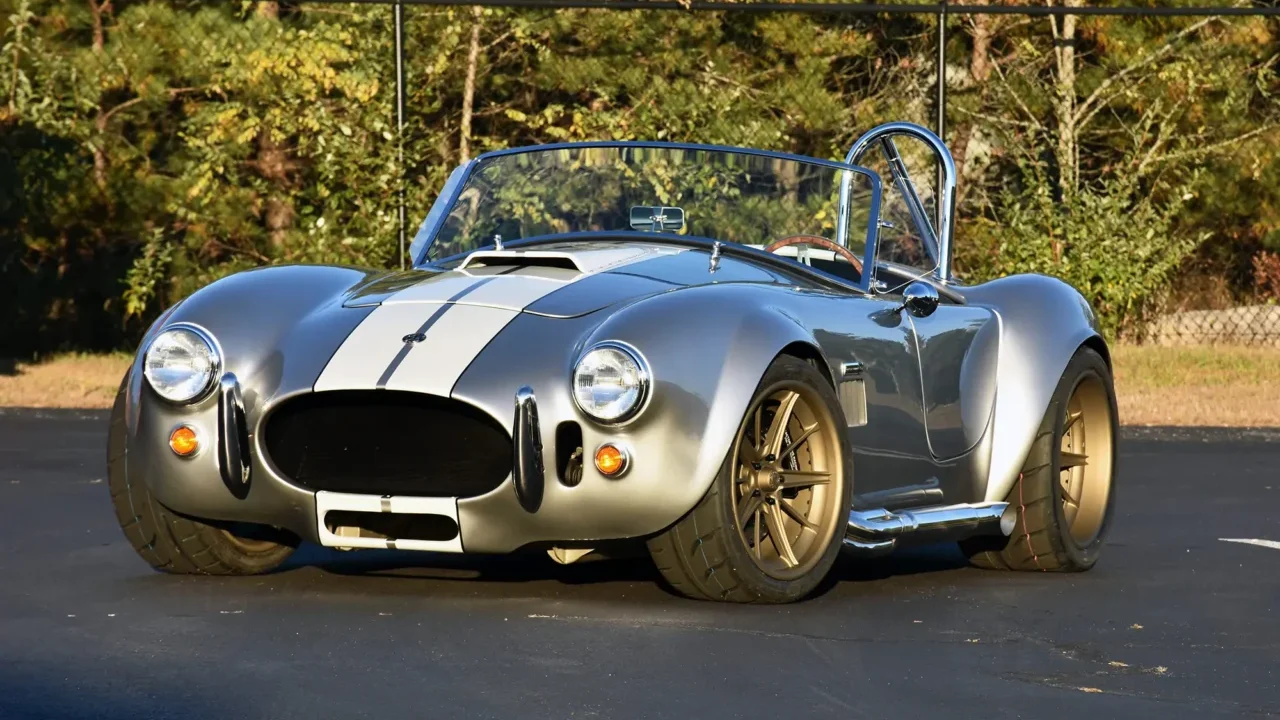
The original Shelby Cobras were, technically, British cars with an American V8 engine, but the Mark III from 1965 is an American product through and through.
In order to fit the massive 427 V8, the Shelby Cobra required a new chassis, and it was designed in cooperation with Ford. It wasn’t as popular as it should’ve been, and the MkIII Shelby Cobra is extremely rare today. However, it did spawn an entire kit car industry, and those are attainable even to the regular Joe.
Shelby Daytona Coupe
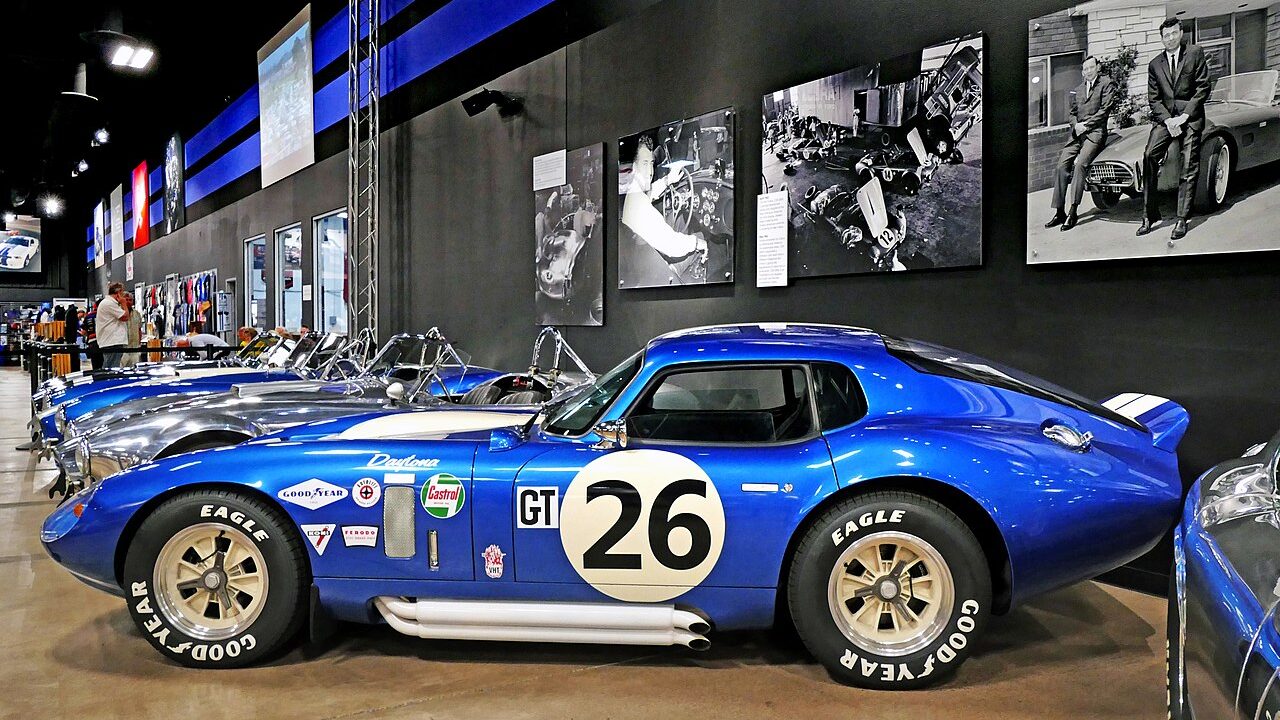
Many decades before the Dodge Viper scared the bejeezus out of car enthusiasts, its spiritual predecessor, the Shelby Daytona Coupe, was known for doing the same thing. The Daytona Coupe was largely based on the Shelby Cobra roadster, but with a sleeker design than the Cobra’s muscular look.
There was a reason behind the Daytona Coupe’s almost European sports car-like exterior. It was built to take on Ferrari in the GT racing class, and needed to be more aerodynamically efficient than the Cobra roadster.
Ford GT40
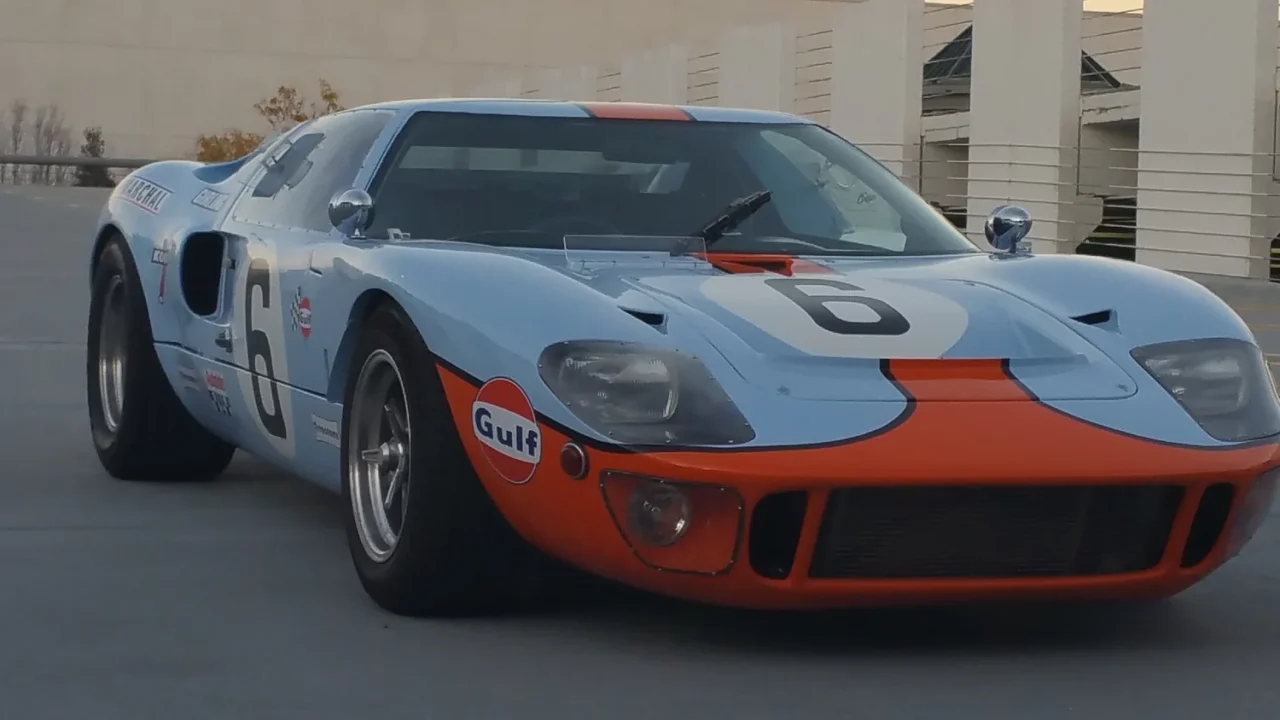
In the 1960s, Ford tried to buy Ferrari, but the Italian carmaker pulled out of the deal at the last second. Henry Ford II became obsessed with destroying the Italians at the 24 Hours of Le Mans, and the Ford GT40 was the car that ended Ferrari’s dominance at the French racetrack.
The Ford GT40 was built on a Lola chassis, and it was not only fast, but it looked amazing as well. Combining a European chassis with American muscle proved to be a winning strategy, and the beautiful GT40 would later serve as an inspiration to two modern-day Ford GT generations.
Consulier GTP
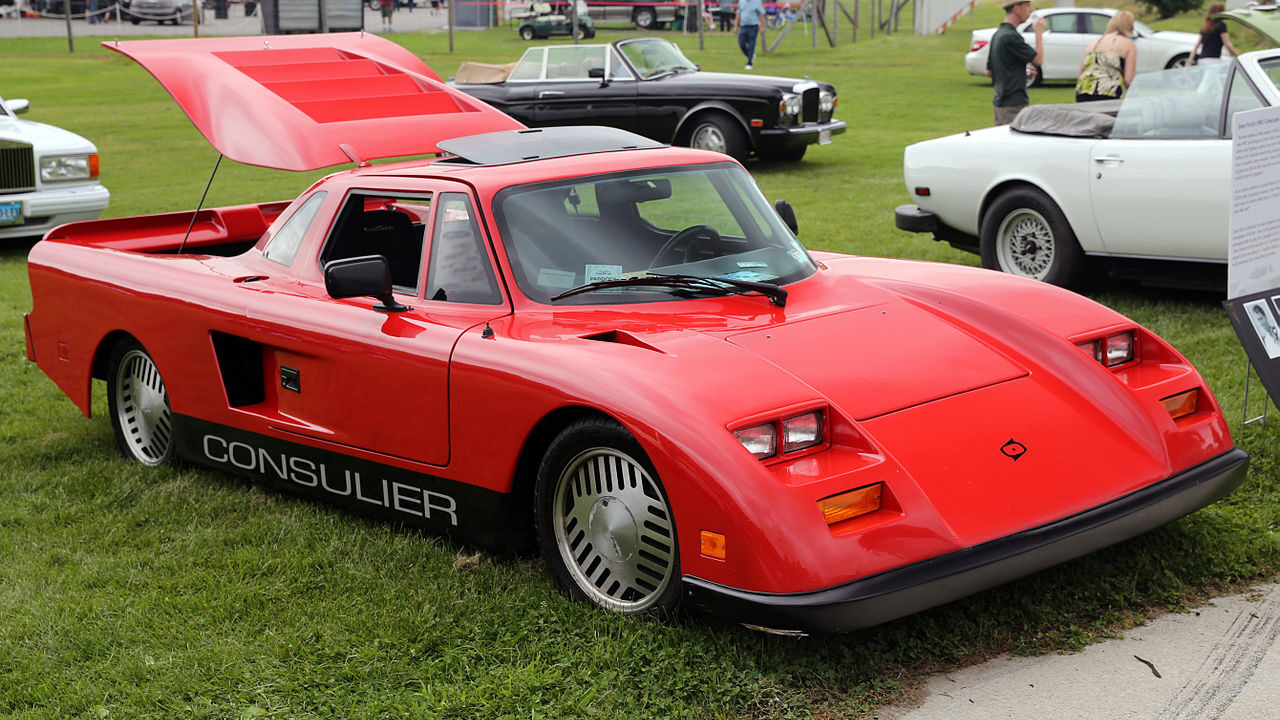
Warren Mosler founded Consulier in 1985, and in 1988, the Consulier GTP was unveiled. I don’t think anyone has ever claimed that it’s a good-looking American sports car, but it did destroy the competition around the racetrack.
Early models only had a turbocharged 2.2-liter 4-cylinder Chrysler engine, but later models received a 5.7-liter and 6.3-liter Chevy V8. The Consulier GTP didn’t need a huge V8 to win, though. In fact, it was so dominant, IMSA eventually banned it from racing.
Dodge Viper
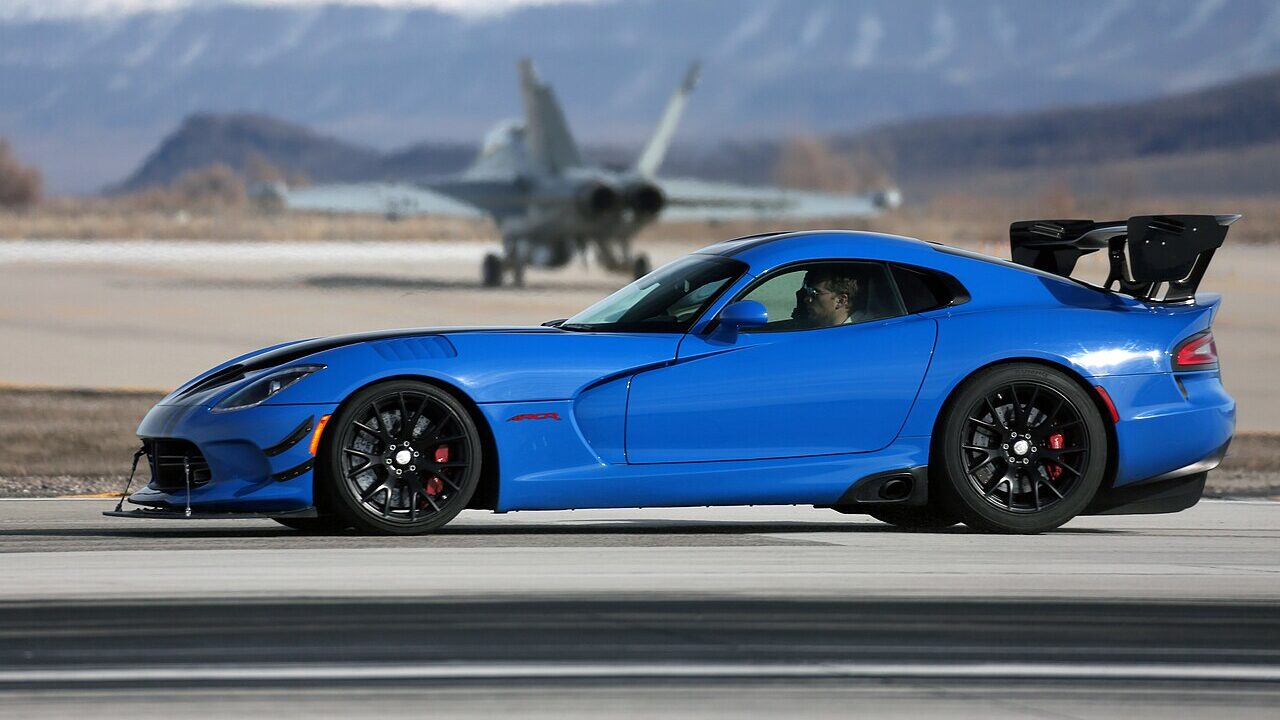
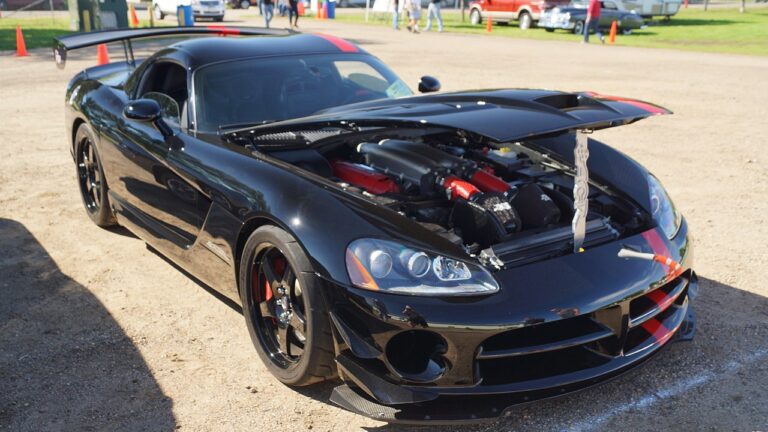
The Dodge Viper may not be in production anymore, but it will forever be remembered as one of the most iconic American sports cars ever. Over the years, its engine size grew from 8.0 liters to 8.3 and 8.4 liters – all in V10 form – and Lamborghini helped develop it.
The Dodge Viper certainly lived up to its name — it’s as dangerous as it is stunning, and commands respect, even from experienced drivers.
Saleen S7
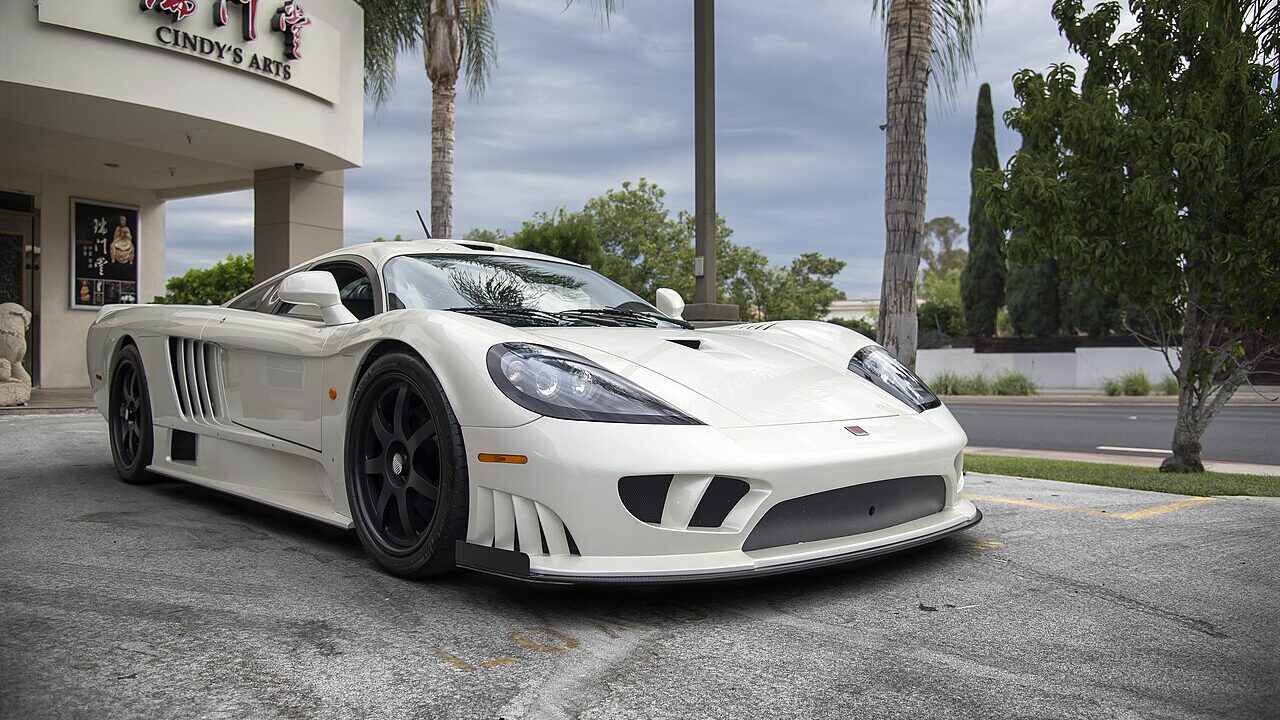
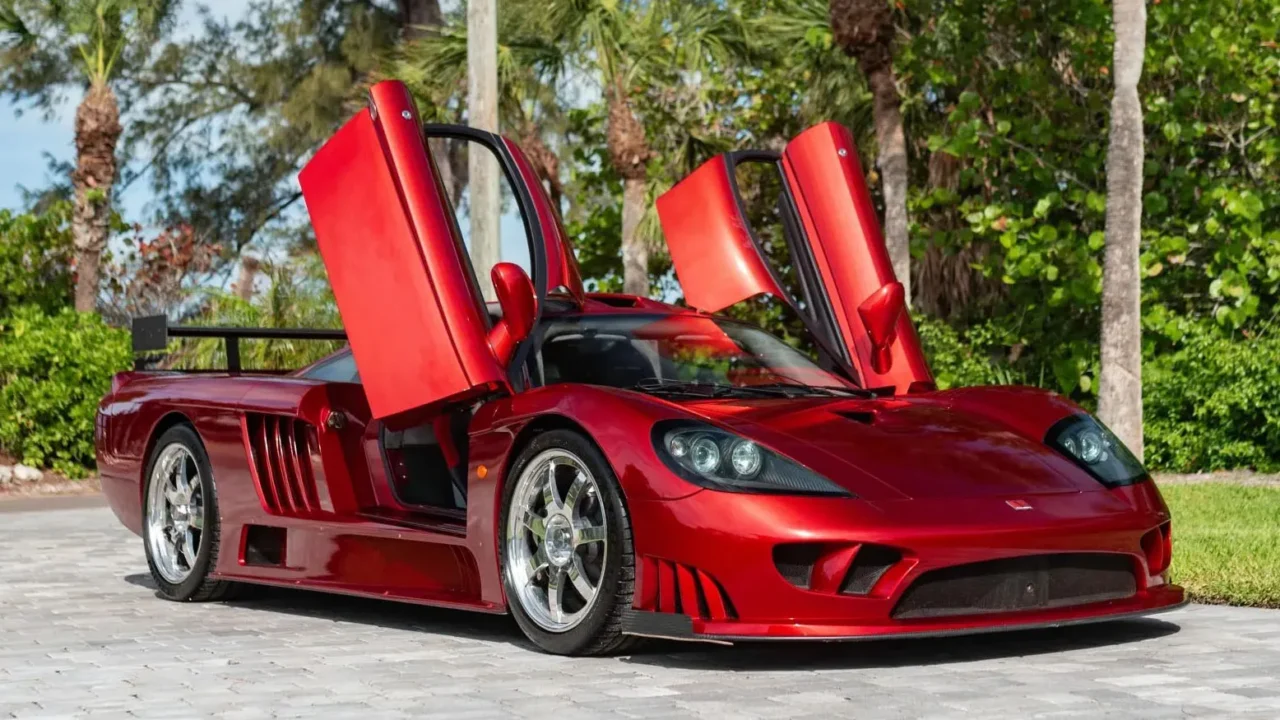
The Saleen S7 Twin Turbo adorned many a teenager’s room in poster form back in the 2000s. Saleen initially rose to fame by making performance parts for Fords, Mustangs in particular. The Saleen S7 was their first attempt at building a car from scratch, but you wouldn’t guess that by looking at it, or by driving it, for that matter.
Saleen’s S7 was right up there with Europe’s finest supercars. It looked stunning, drove great, and had plenty of power. With a 248 mph top speed, it was among the fastest cars of the 2000s.
Ford GT
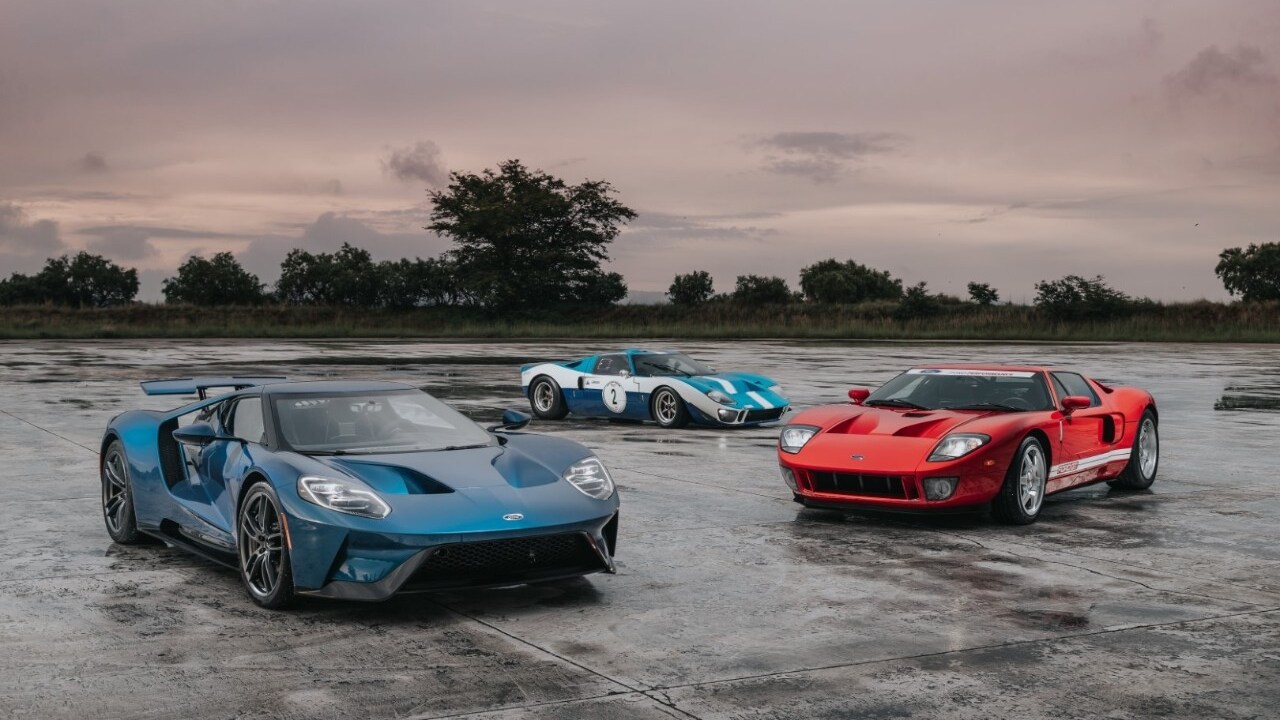
Ford brought back the GT in the mid-2000s, and there was no doubt where the inspiration came from. It looked a lot like its older sibling that had dominated Le Mans in the 1960s. This new version was only available for a couple of years before it disappeared, but it wasn’t the last time Ford would use the GT name.
In 2016, Ford wanted to celebrate the 50th anniversary of its 1966 Le Mans victory, and so the Mk2 Ford GT was born. Unlike the supercharged V8-powered version from 2005, Ford now used a turbocharged 3.5-liter EcoBoost V6. It went on to win 1st and 3rd in its class at Le Mans that year, proving that it was more than just a pretty face.
Tesla Roadster
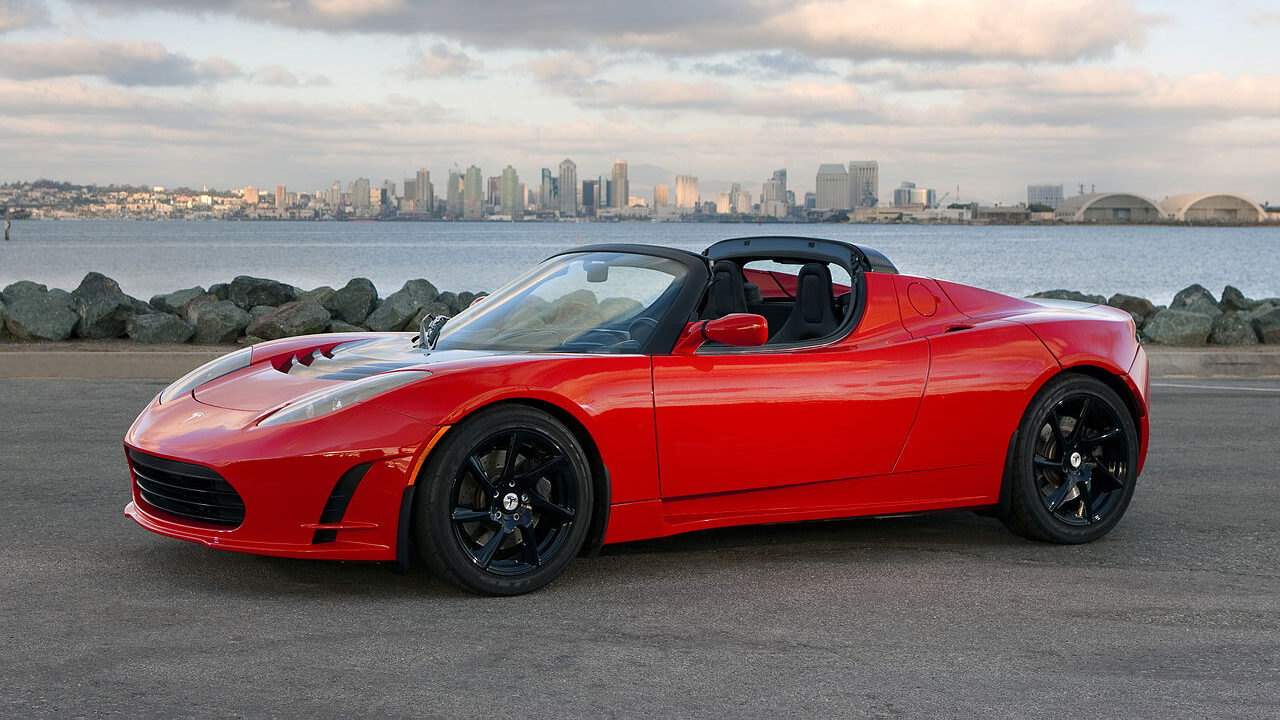
Tesla sold its first model, the Roadster, between 2008 and 2012. While it’s not one of the greatest American sports cars of all time, it may be one of the most important, as this was the model that put Tesla on the map. Around 2,450 units were sold in over 30 countries.
The Roadster was based on the Lotus Elise chassis, and it was the first highway-legal, serial-production, all-electric car to use lithium-ion battery cells. It was also the first production EV that could do more than 244 miles per charge.
Hennessey Venom GT
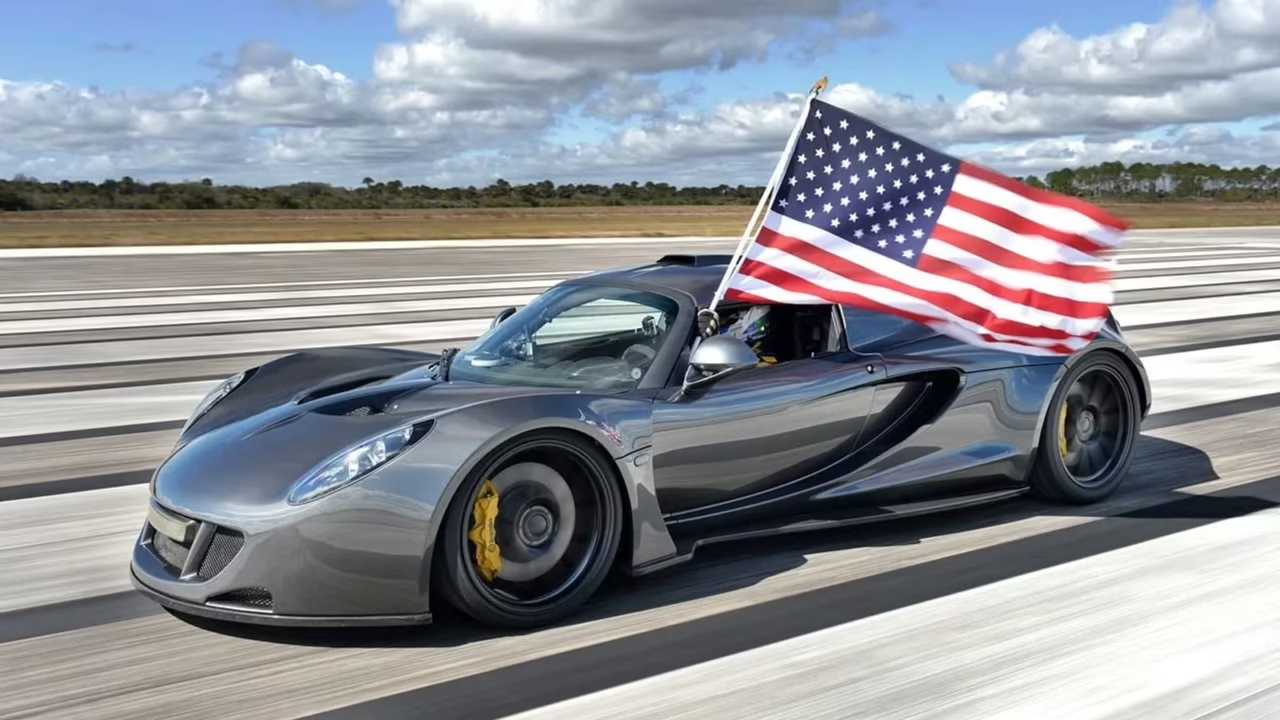
Hennessey Performance Engineering is perhaps best known for tuning performance cars to ridiculous levels. However, the Texas-based tuner has also built some excellent cars of its own, one of them being the limited-production Venom GT.
Based on the Lotus Elise/Exige, Hennessey only built 13 Venom GTs. It has a GM LS7 V8 engine that’s been upgraded to produce 1,244 horsepower thanks to the addition of a couple of turbochargers. It’s no wonder that the Hennessey Venom GT went on to set multiple official and unofficial speed records.
SSC Tuatara
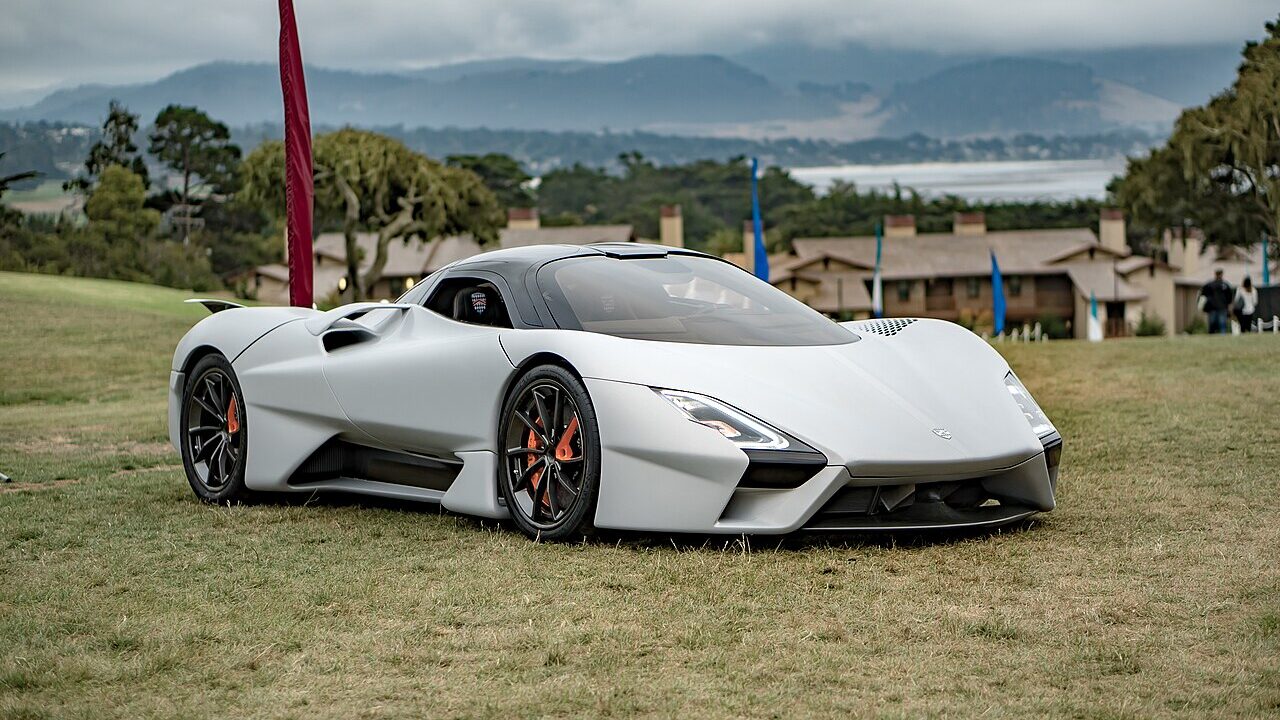
SSC has been locking horns with Bugatti and Koenigsegg for years, as the three hypercar manufacturers are constantly battling to see who has the fastest car. After the SSC Ultimate Aero TT was crowned the world’s fastest production car, Bugatti snatched the title from the Americans. SSC knew they couldn’t squeeze more speed and power from the Ultimate Aero TT, so they needed a new vehicle — the SSC Tuatara.
SSC unveiled the Tuatara in 2020. It has a 5.9-liter SSC Twin-Turbo flat-plane crank V8 engine. Power output is nothing short of ridiculous, with 1,350 horsepower on 91 octane, 1,750 horsepower with E85 flex fuel, and 2,200 horsepower on methanol. The Tuatara eventually managed to set a top speed of 295 mph.
Did you like this article?
Make sure you follow us on Facebook for more builds, guides, and car culture content.

