



While the Italians arguably build the finest sports cars the world has ever known, the Brits aren’t far behind. Over the years, Britain has produced some excellent performance cars. Some of these icons left the Italians choking on their dust, while others even had them beat in the looks department.
While there’s no doubting the style or performance of British sports cars, we can’t really deny that they come with a somewhat sketchy reputation regarding reliability. We won’t let that stop us from admiring them, though.
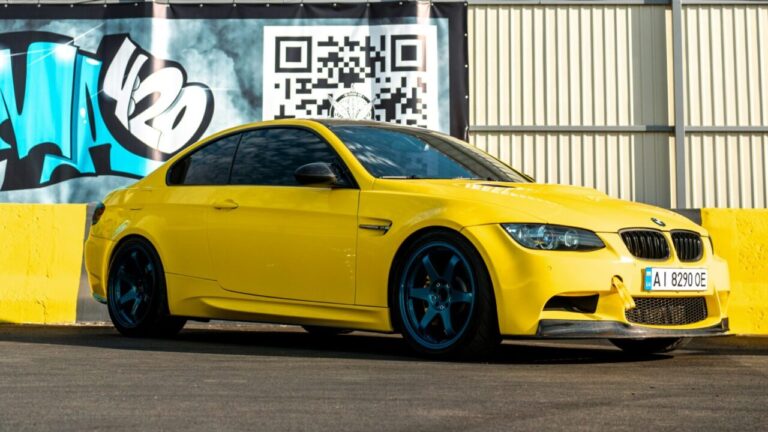
Jaguar XKE E-Type
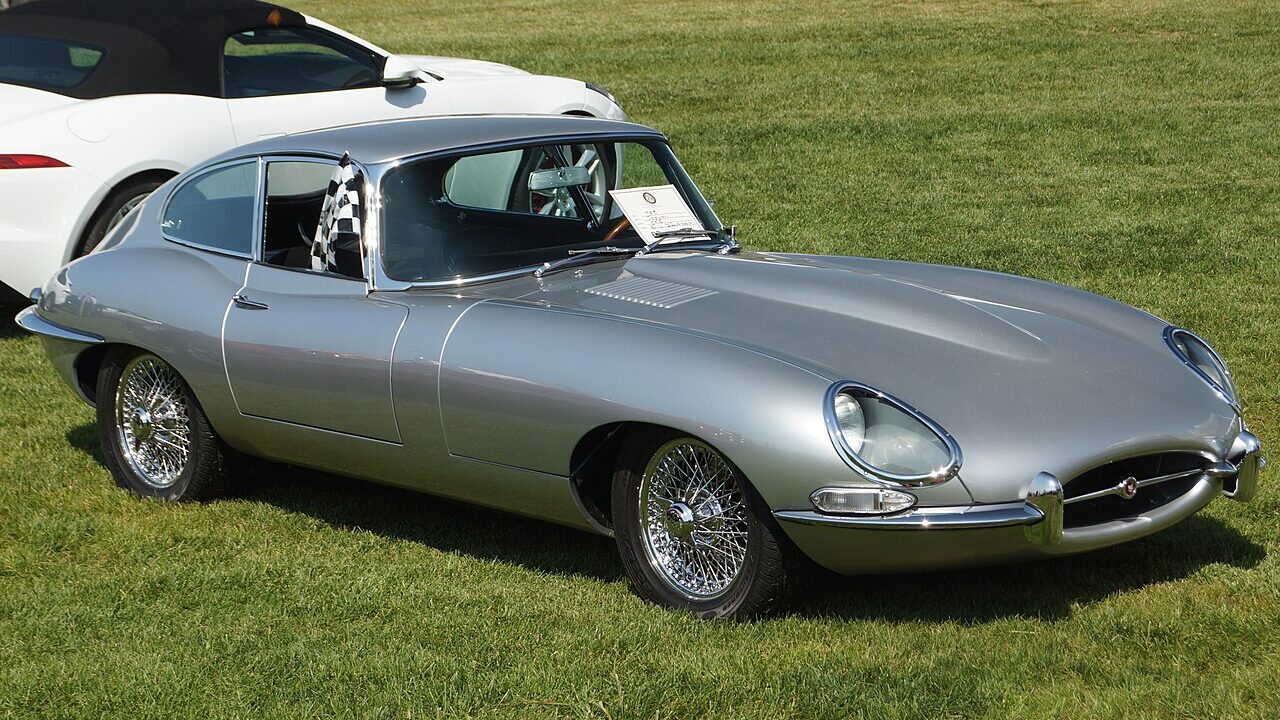
We may as well rip off the band-aid and get it over with. A list of the best British sports cars must include the legendary Jaguar E-Type. Even Enzo Ferrari allegedly called the E-Type the most beautiful car in the world.
Its looks aren’t the only thing it has going for it. The XKE changed the sports car world when it emerged in 1961. It cost much less than a Porsche or Ferrari, and it would hit 60 mph from a standstill in a mere 6.7 seconds and storm on to a very impressive 150 mph top speed.
MG MGB
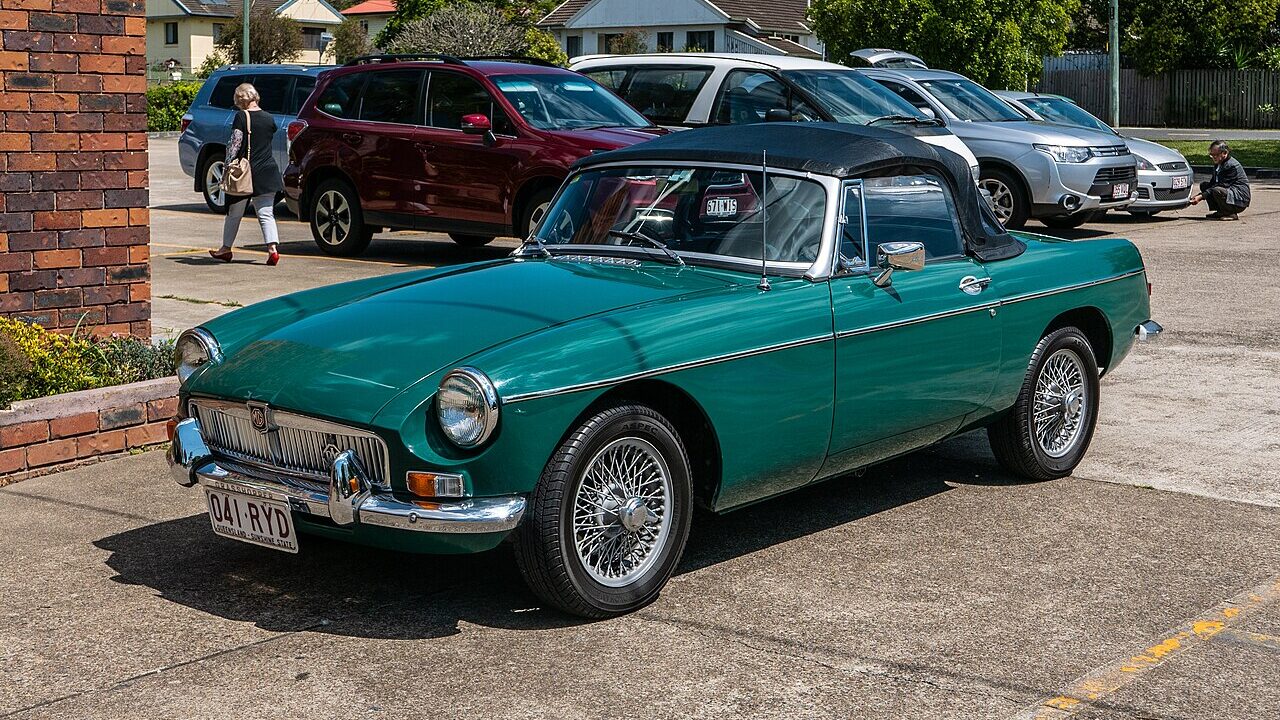
The MGB sticks to the traditional sports car formula, with a four-cylinder engine up front and all the power sent to the rear wheels. In the middle, we find a couple of seats for the driver and one lucky passenger.
The simple MGB was highly successful, which led to an 18-year production run. The MGB is the quintessential British sports car and was also the inspiration for the Mazda Miata.
Lotus Esprit

The Lotus Esprit may not have been the most reliable sports car ever made, but it’s still one of the most iconic. The Esprit helped Lotus gain new fans worldwide, thanks to a series of Lotus video games and a starring role in James Bond, The Spy Who Loved Me.
The first generation was one of Giorgetto Giugiaro’s first polygonal “folded paper” designs. Later, Lotus updated the Esprit’s look with help from designer Peter Stevens. The Esprit was a proper driver’s car, with powerplants ranging from inline fours to a twin-turbocharged V8.
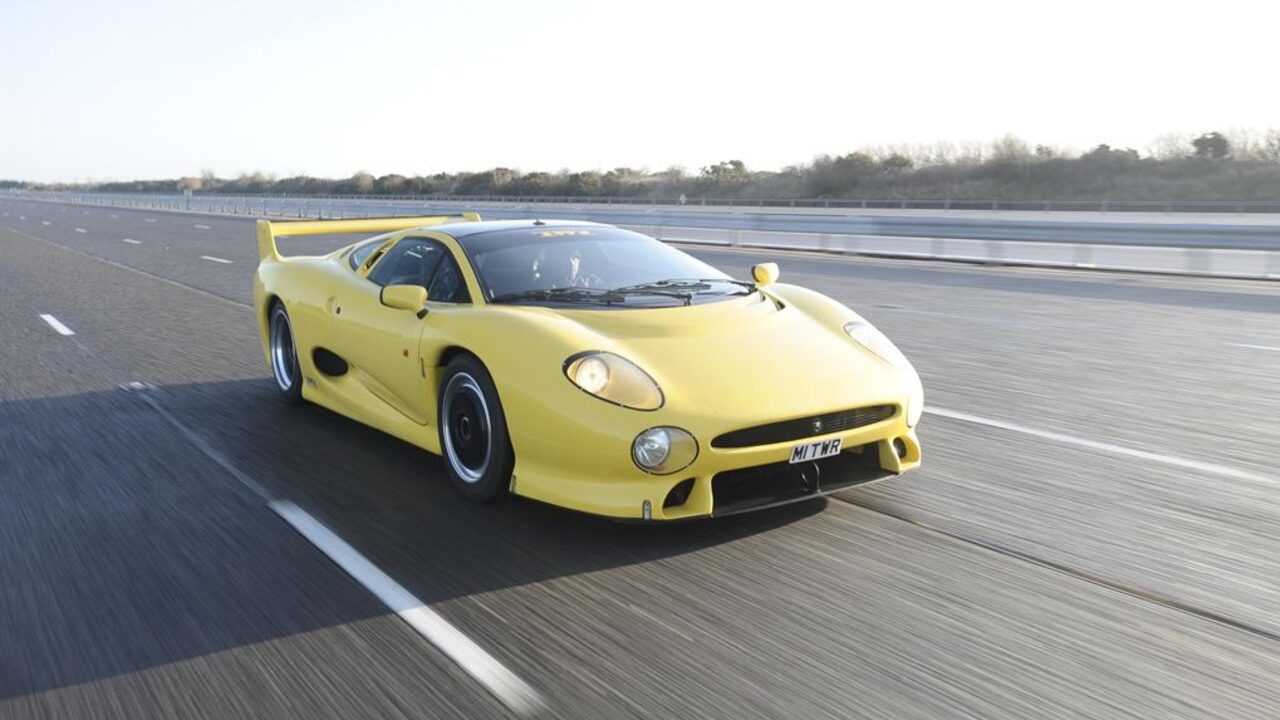
Jaguar XJ220

These days, the Jaguar XJ220 would probably be classified as a sports car, but when it first saw the light of day, it most certainly was a supercar. The XJ220 held the title of the world’s fastest car for a while until the McLaren F1 came along and dethroned it.
A turbocharged 3.5-liter V6 engine that pumped out a respectable 542 hp and 475 lb-ft pushed the car to a top speed of 212.3mph.
Austin-Healey 3000
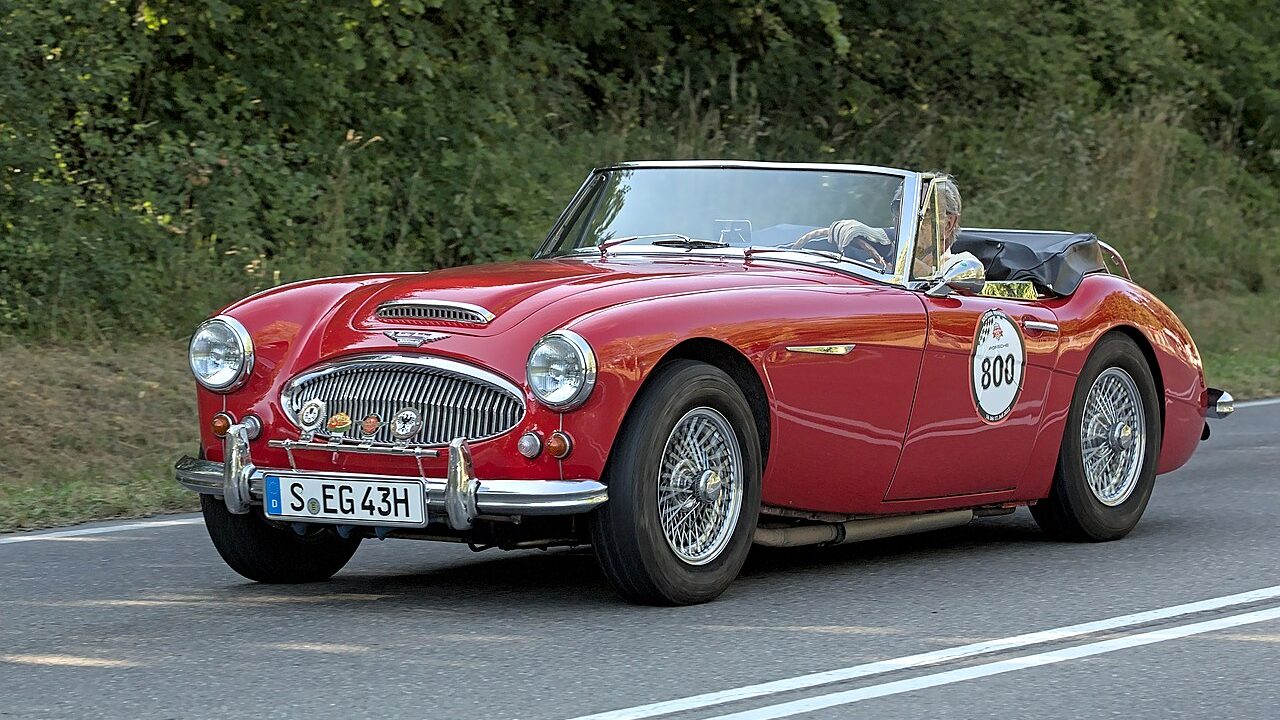
The Austin-Healey 3000 was a quick car back in its day. Its 2.9-liter straight-six engine produced close to 150 horsepower in the later models, which meant it would march past 120 mph.
Unlike most British sports cars from this era, the Austin-Healey 3000 was surprisingly reliable (by British standards), making it a very competitive choice for endurance racing.
Lotus Elise Mk1

When Lotus revealed the Elise, they changed the sports car world forever. This model truly cemented the fact that a lightweight car with a great chassis and a small engine will annihilate heavier competitors.
The first-gen Elise was as simple as it gets. The simplicity also made it one of the most reliable British sports cars ever. Even the 116-horsepower 1.8-liter Rover engine became more reliable after Lotus gave it a sprinkle of its magic. If you’re looking for an affordable, mid-engined sports car, you could do a lot worse than this.
Aston Martin DB7

Ford bought Aston Martin in the late 1980s, hoping they could turn the company around by creating a somewhat affordable entry-level grand tourer that many could afford. The DB7 was the result of that plan.
As good-looking as it is, it may come as a surprise that the Aston Martin DB7 is something of a parts-bin special. It’s built on a Jaguar XJS platform and features Mazda 323 F taillights, Mazda 323 Estate chrome door handles, Miata indicators, Ford Scorpio interior switches, and Citroen CX mirrors. Still, it was a huge success and one of the best-looking British sports cars to this day.
AC Aceca
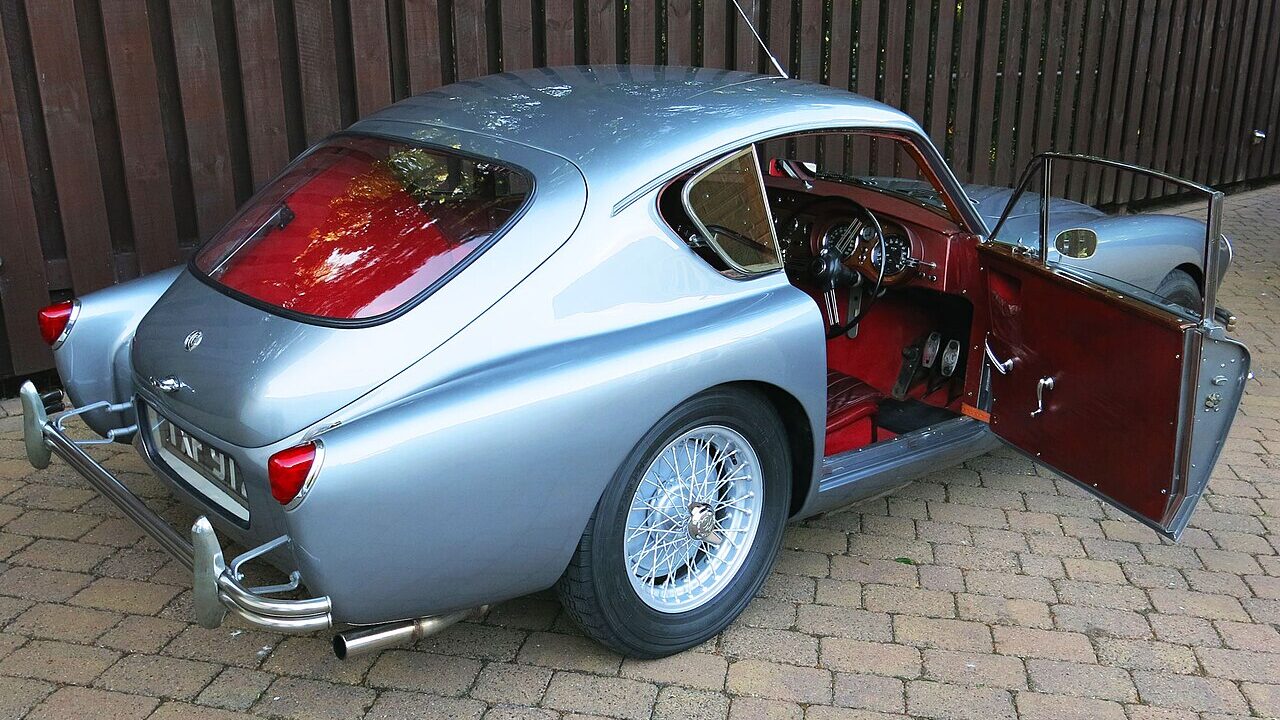
The AC Aceca is the coupe version of the AC Cobra, or Shelby Cobra after Carroll Shelby got his hands on one. Unlike its open-topped sibling, the Aceca was never powered by a massive V8 engine. Instead, it was home to a straight-6 producing between 105 to 170 horsepower.
I’ll argue that, along with the Jaguar E-Type, the AC Aceca might be one of the most gorgeous sports cars to emerge from the land of tea and crumpets.
Jaguar F-Type
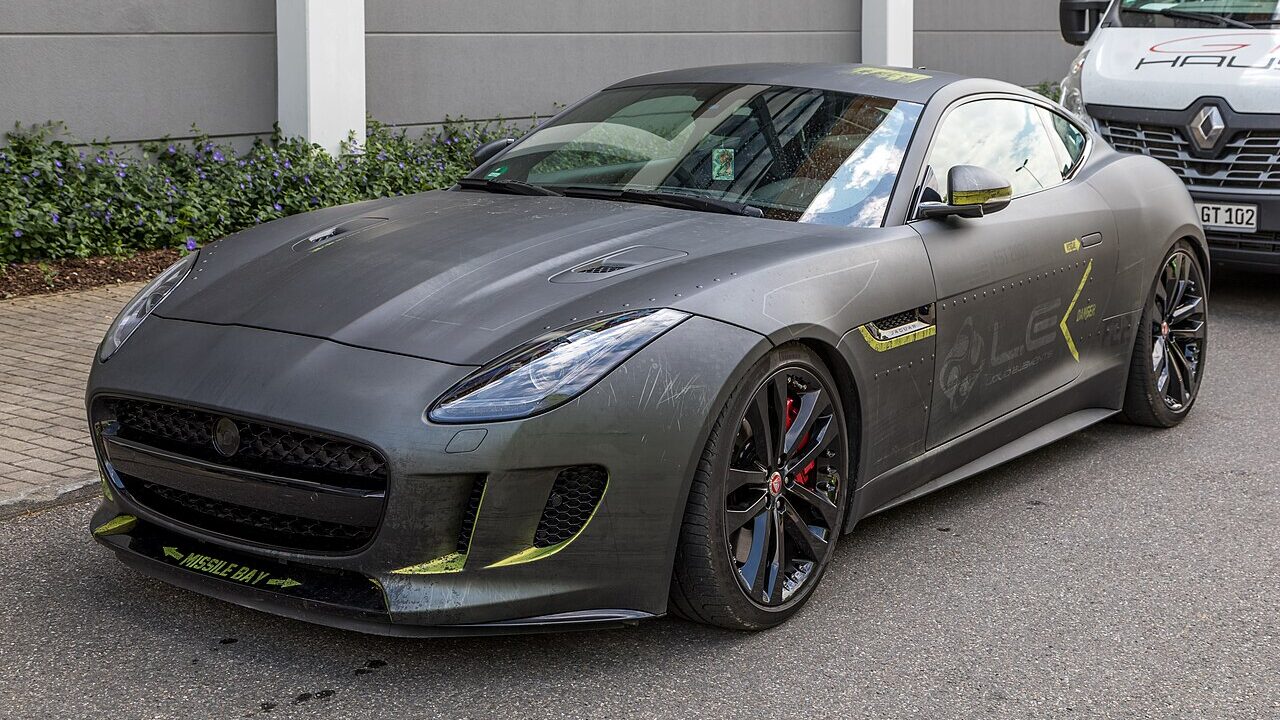
The E-Type was followed by some questionable Jaguar sports cars and grand tourers. Then, the 2014 F-Type emerged, and we instantly forgave the British car manufacturer for its past mistakes.
The Jaguar F-Type is a great everyday sports car, largely thanks to its excellent engine options, ranging from a turbocharged inline-four to a supercharged V6 and a screaming V8.
Aston Martin DB5
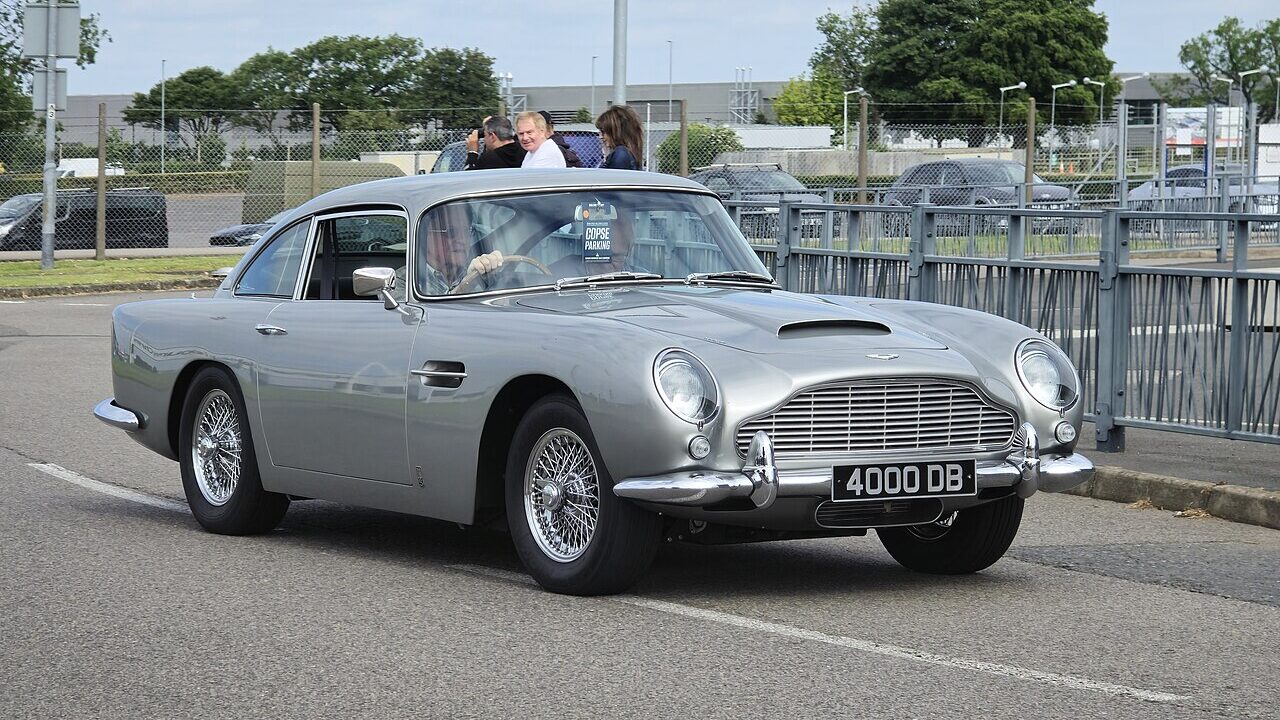
The Aston Martin DB5 is famous for being the car of choice for British MI6 agent James Bond, and it’s easy to see why when looking at this sleek beast.
The DB5 isn’t just one of the most stunning sports cars ever made, it even packs a punch to match its looks. Under the sculpted hood lives a 4.0-liter straight-six engine that produces 282 horsepower, enough to give the DB5 a top speed of 145 mph.
Caterham Seven
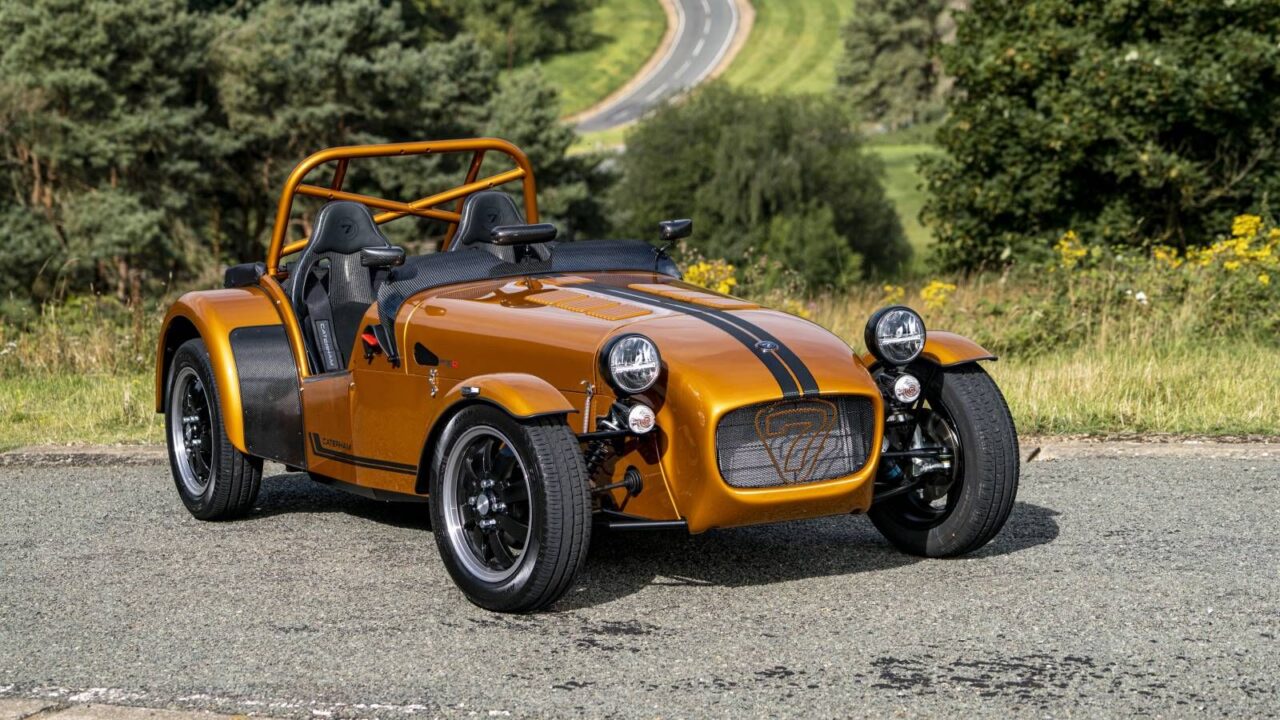
Caterham bought the rights to the Seven from Lotus in 1973, and the car looks virtually identical today. Sure, they’ve created some hairy-chested high-performance versions since then, but the essence remains the same.
The Caterham Seven is as basic as it gets, and that’s exactly why people love it. While the high-power versions are unbeatable on track days, the more modest models excel at your favorite twisty road.
Ariel Atom
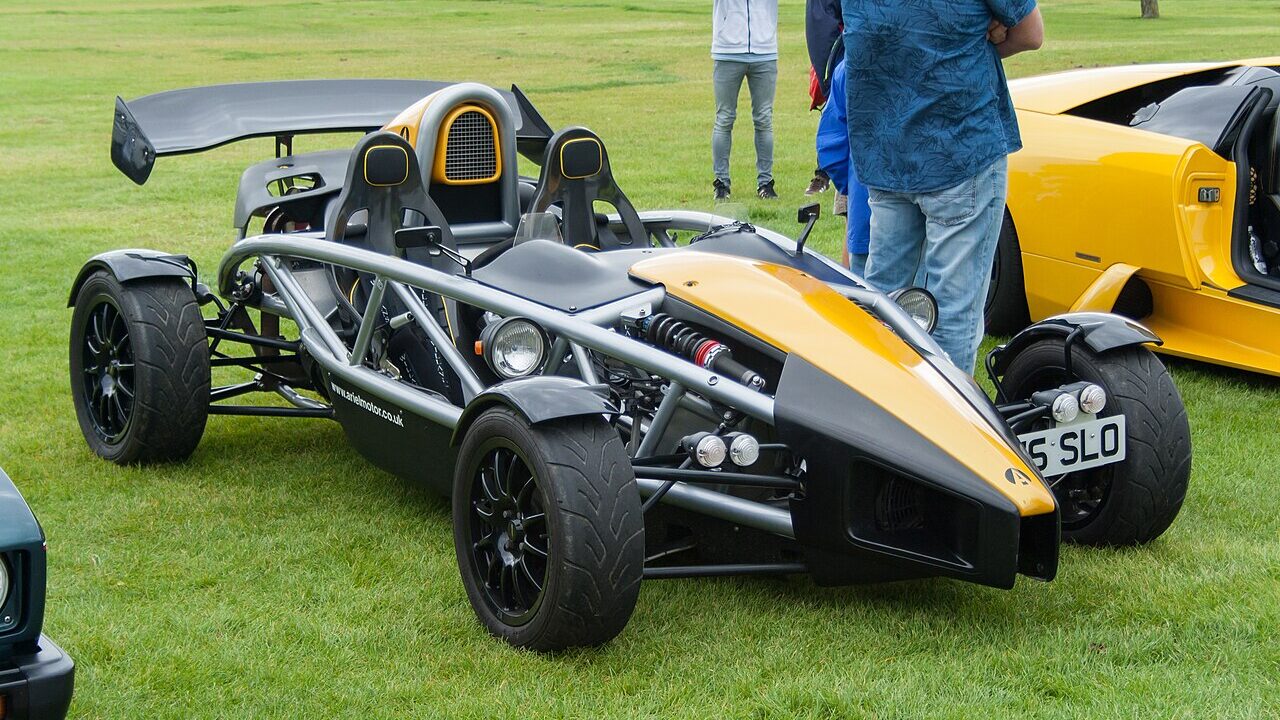
Speaking of minimalist sports cars, there’s no way we could leave the Ariel Atom off this list. Some would argue that this is the best British sports car of all time, and if you only want speed and adrenaline, they’re right!
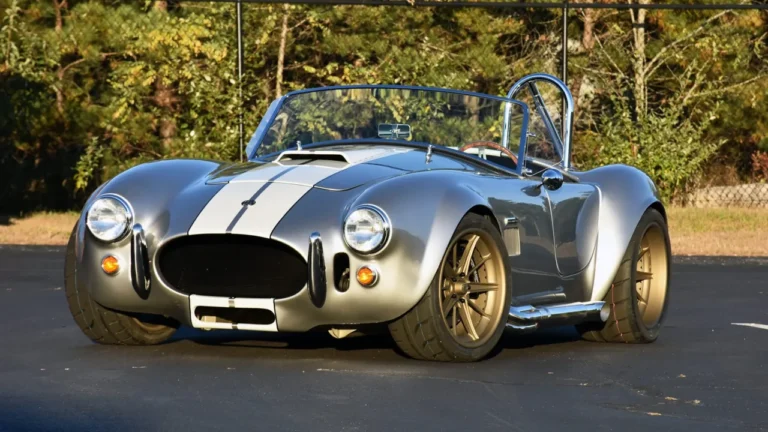
The Ariel Atom offers blistering speed and acceleration thanks to the turbocharged Civic Type-R engine that pumps out more than 300 wild ponies. It’s safe to say that there are more sensible daily drivers out there, though.
Lotus 2-Eleven
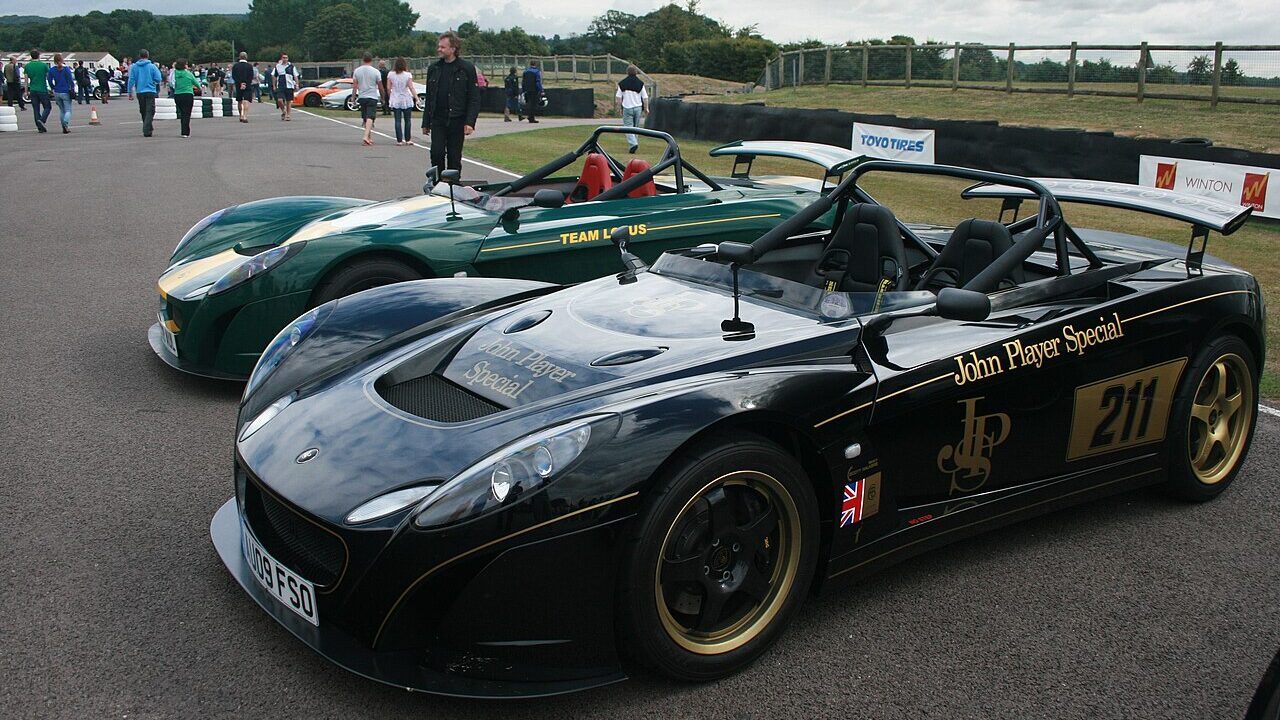
Lotus has more or less perfected the minimalist sports car with its lineup since the 1990s. While it does feature more bodywork than the Ariel Atom, it’s otherwise just as stripped of anything non-essential to going fast around a track.
The Lotus 2-Eleven weighs less than 1,500 lbs, and its 1.8-liter engine produces 257 horsepower, giving it a power-to-weight ratio similar to a Formula One car from the ’60s. There’s no doubt that this is one of the best British sports cars for true driving enthusiasts.
Noble M500
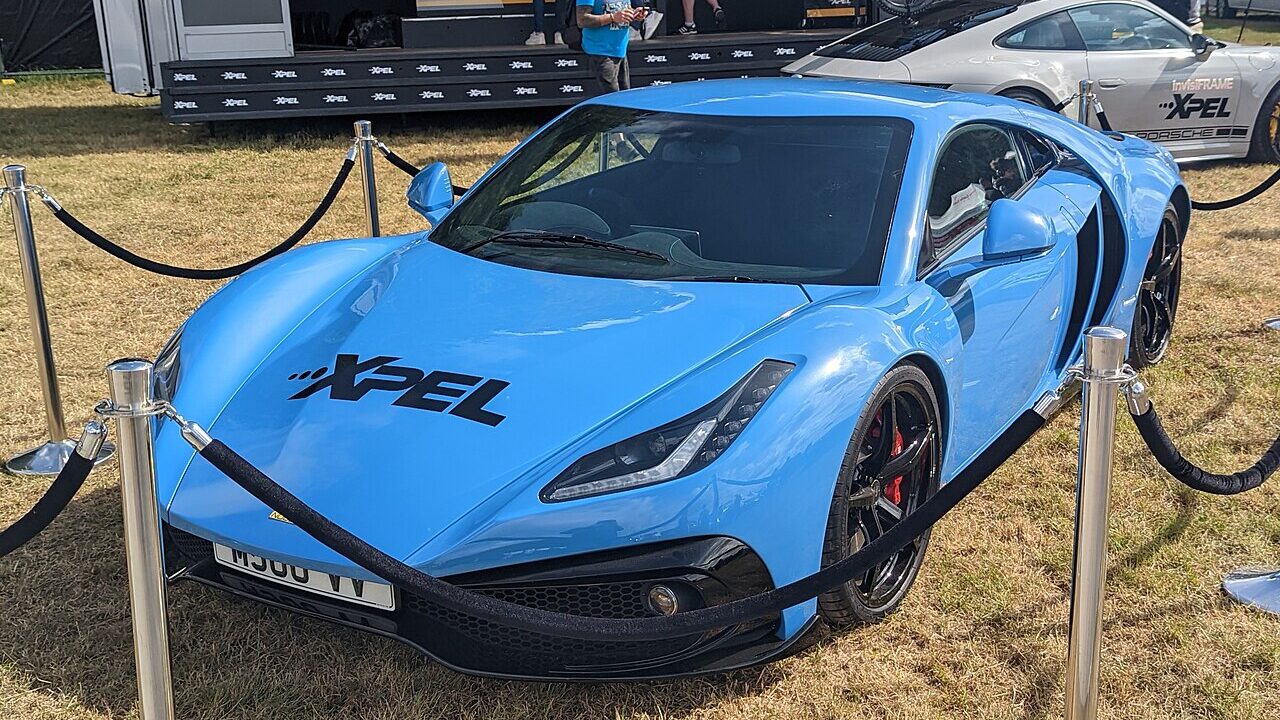
The Noble M500 is another British minimalist sports car. The bodywork consists of lightweight carbon fiber, and the M500 is lighter than many full-blown supercars.
The M500 name comes from the 500–550 horsepower twin-turbocharged Ford EcoBoost 3.5-liter V6 engine. That’s enough to push it past the 60 mph mark in around three seconds and onward to a top speed of 200+ mph.
Lotus Exige
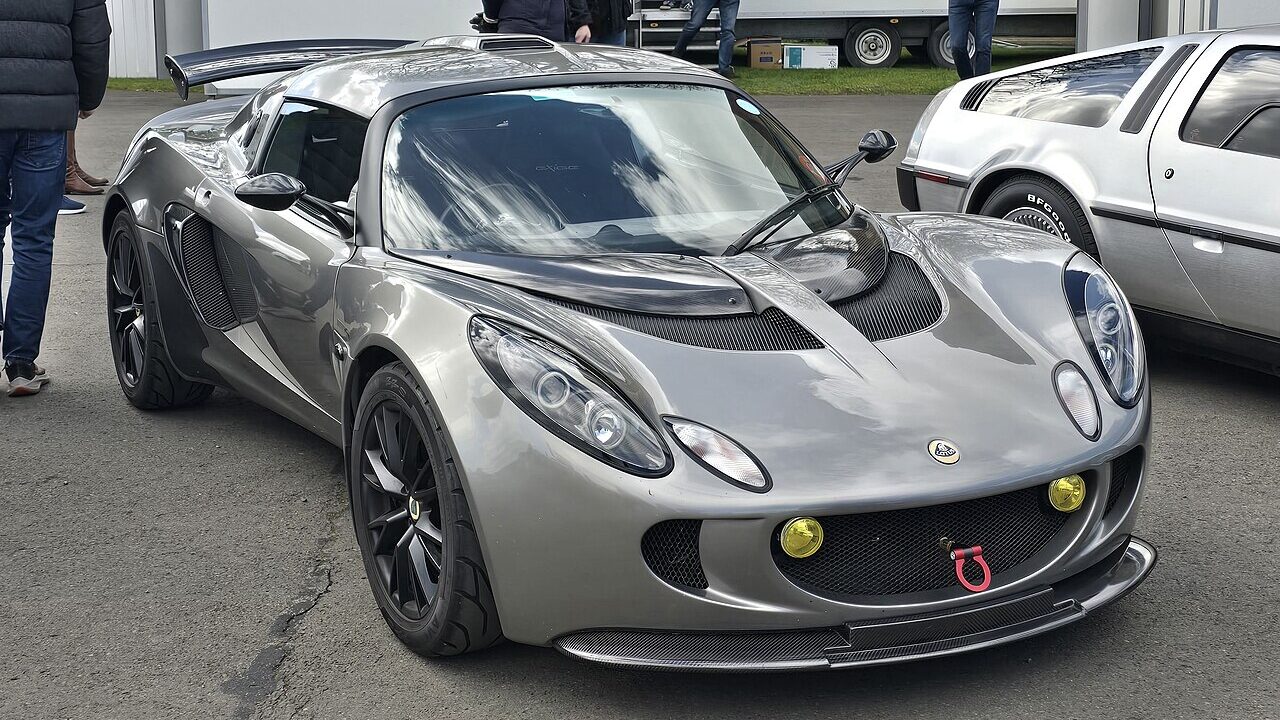
Lotus originally launched the Exige as a more track-focused coupé version of the Lotus Elise. Later generations of the Lotus Exige received a bigger engine, a Toyota-sourced 3.5-liter V6 instead of the Elise’s inline-four.
The Exige has proven that it’s more than capable of keeping up with more exotic machines around a racetrack.
TVR Chimaera
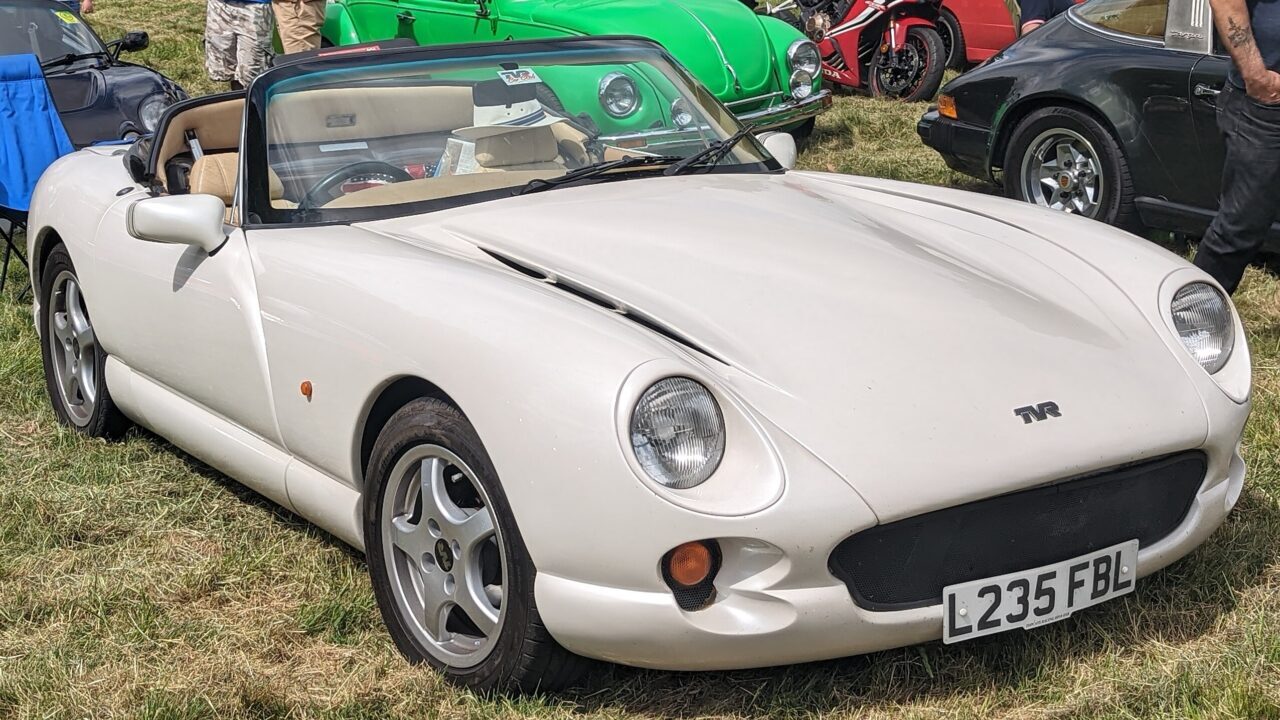
TVR is perhaps one of the most overlooked British sports car manufacturers, even if they have made some iconic cars over the years. Unfortunately, TVRs have never been considered reliable, but the Chimaera is so simple, there’s not much that can go wrong.
TVRs are known to be real drivers’ cars, and the Chimaera is no different. Under the hood lives a 5.0-liter V8 that produces 340 horsepower. All the power goes to the rear wheels, and there aren’t any safety features such as ABS, traction control, or even airbags.
Aston Martin Vantage
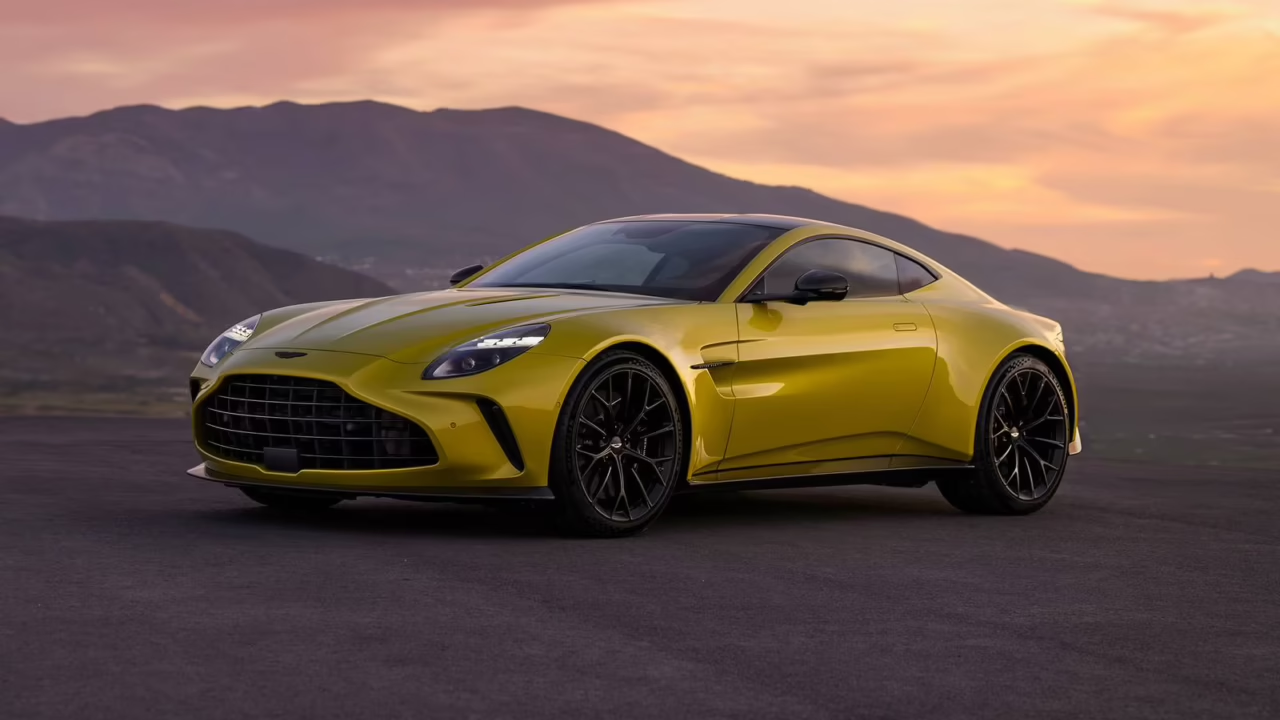
All the Aston Martin Vantage models are great, but the latest one is exceptional. This time, Aston Martin added more luxury and improved technology, which is great – it’s a grand tourer, afterall.
However, a GT car is only as good as its engine, and this is where the Aston Martin Vantage really shines. Pop the hood, and you’ll find an AMG-sourced 4.0-liter twin-turbocharged V8 that produces over 500 hp and just as much torque.
Morgan Plus 8
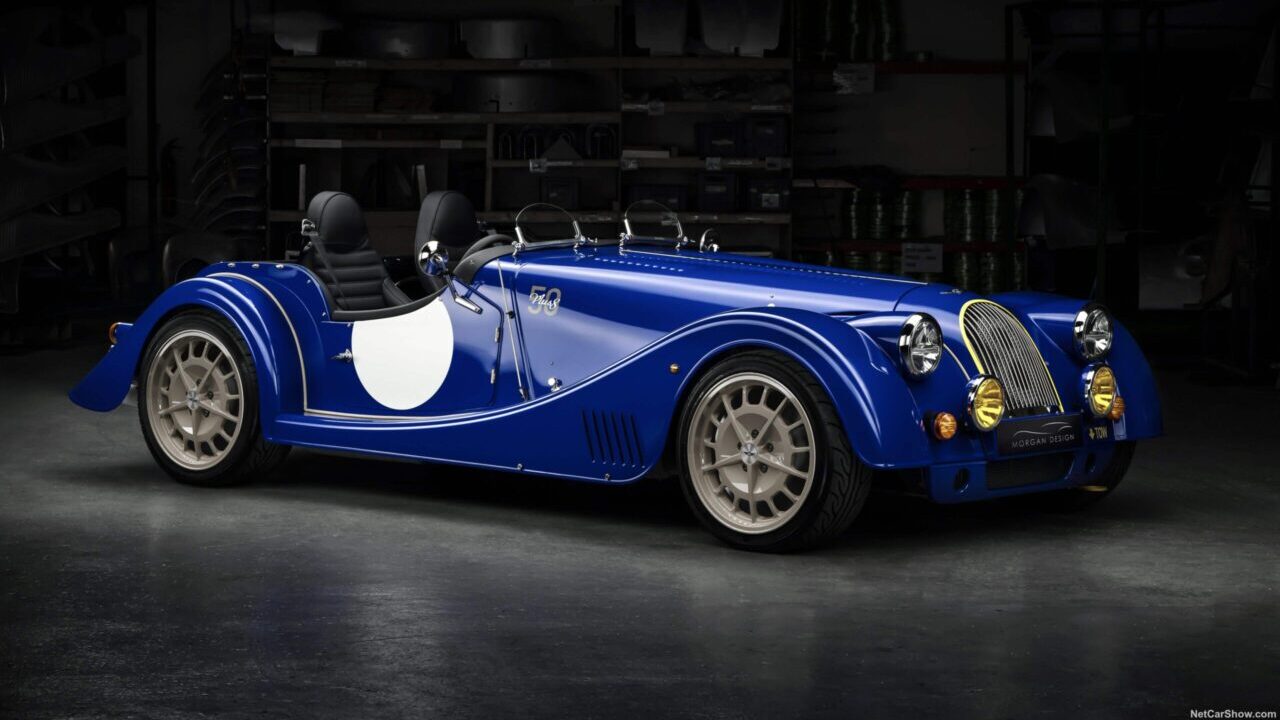
The Morgan Plus 8 is a proper retro sports car. In some ways, the company is stuck in the 1940s. The design looks like it’s from that era, and Morgan still uses wood to build their cars. Mechanically, however, Morgan has caught up to the rest of the world.
The original Morgan Plus 8 saw production from 1968 to 2004, and power came from a Rover V8. From 2012 to 2018, they made an updated version powered by a 4.8-liter BMW V8 mated to a 6-speed manual or automatic. As old as it looked, the new engine meant it could still compete with modern sports cars.
Gordon Murray T.33
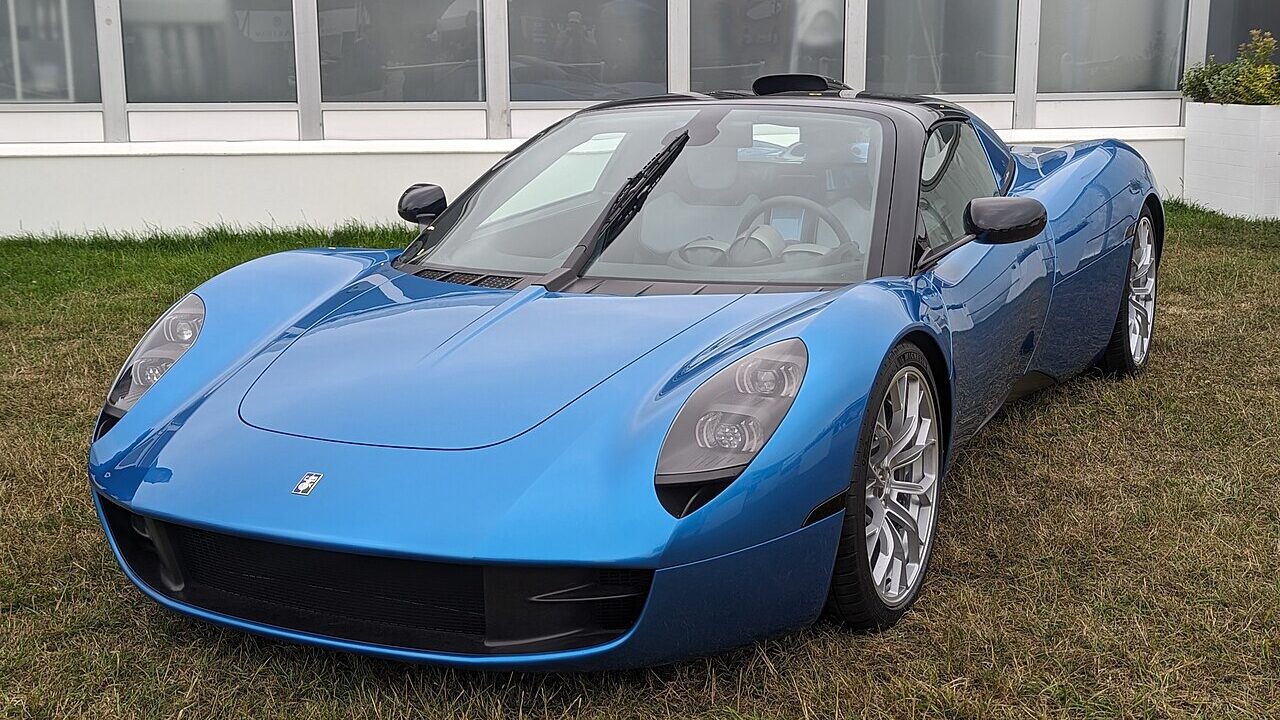
Gordon Murray was the genius behind the McLaren F1, and he’s returned with a couple of highly desirable sports cars. His T.50 is said to be inspired by the McLaren F1, and he found his inspiration for the T.33 in the 1960s grand tourers.
The McLaren T.33 uses the same 4.0-liter Cosworth V12 as the T.50, and it’s about 1 million dollars cheaper, making it an absolute bargain (it still costs $1.5 million before taxes, though).
McLaren F1

The McLaren F1 is one of the most legendary supercars ever made. It’s powered by a BMW V12 engine that produces 618 horsepower and 479 lb-ft of torque – enough to set a world record top speed of 240.1 mph in the 1990s. It’s still the fastest naturally aspirated car ever.
Some of its special features include an engine bay covered in gold to help keep the temperature down, a central seating position with two passenger seats behind it, and butterfly doors. It’s also notoriously difficult to handle, and both Rowan Atkinson and Elon Musk have crashed one.
McLaren P1
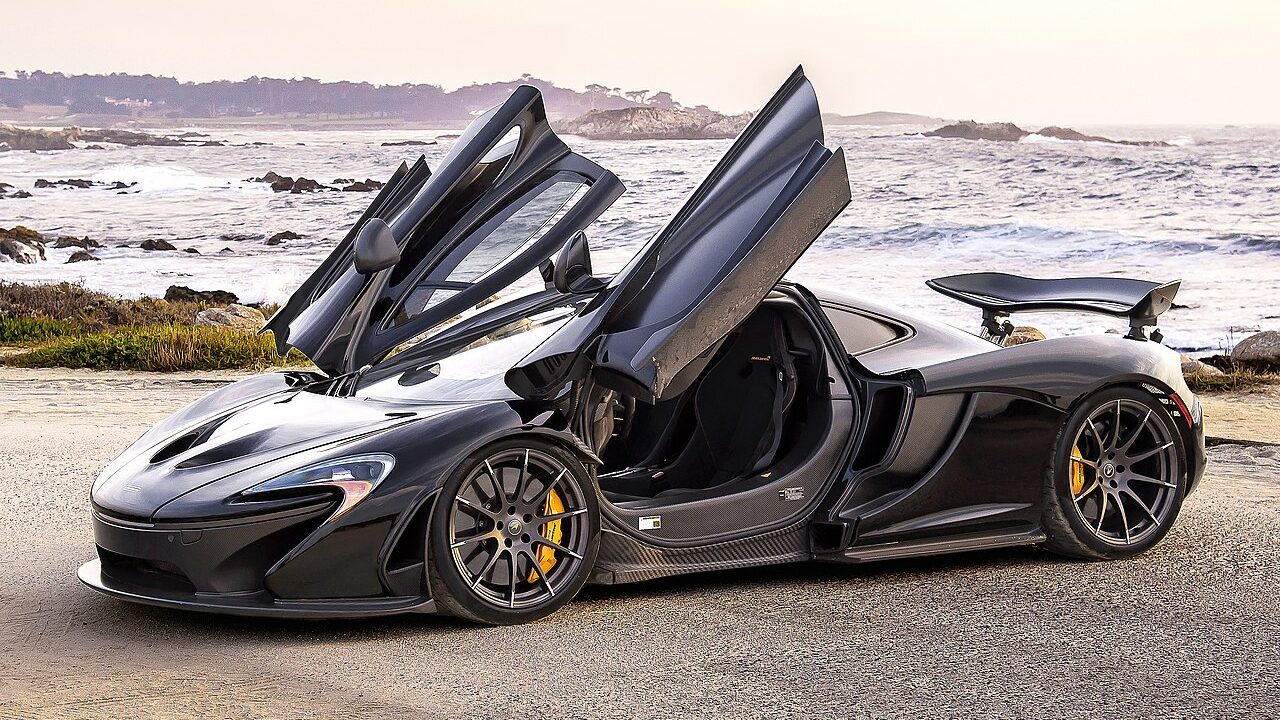
The McLaren P1 is a mid-engined, plug-in hybrid hypercar. It was part of the holy trinity of hypercars – the other two being the Ferrari LaFerrari and the Porsche 918.
The P1’s electric motor and gasoline engine produce a combined power output of 903 horsepower and 664 lb-ft of torque. The car is stuffed full of Formula One-derived tech, such as Instant Power Assist System (IPAS), a Drag Reduction System (DRS), and a KERS. 0 to 62 mph is dealt with in 2.8 seconds, and the top speed is electronically limited to 217 mph.
Did you like this article?
Make sure you follow us on Facebook for more builds, guides, and car culture content.

