

Many car enthusiasts refer to any Japanese car as JDM these days, but that’s just plain wrong. JDM cars are available solely in Japan, so they are built to comply with Japanese regulations only. Over the years, perhaps especially during the 90s, often referred to as the golden era of Japanese cars, automakers and tuners from the land of the rising sun have built some exquisite and desirable limited edition models. Unfortunately, many of those cars were never available outside Japan.
In this article, we’ll take a look at some of the coolest JDM special edition cars, and while they were all forbidden fruit outside of Japan, some are eligible for US import today.
Subaru Impreza 22B STI
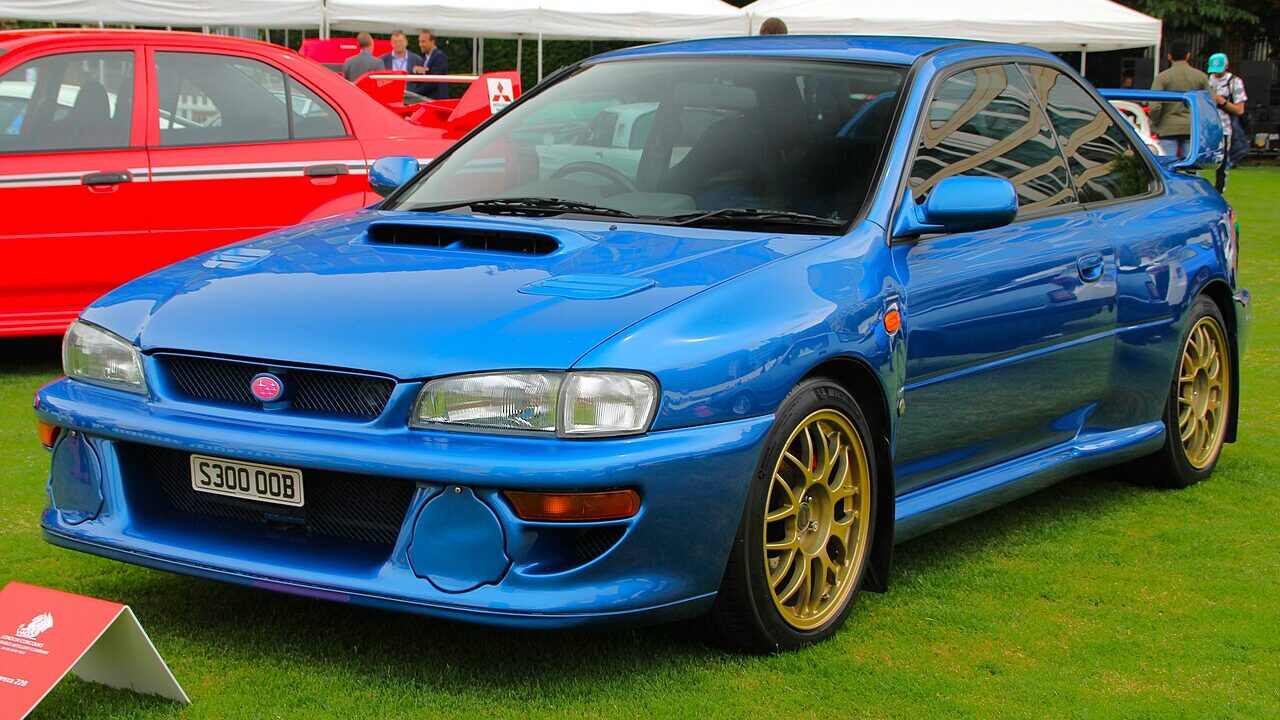
The Subaru Impreza 22B STI is probably the world’s most famous limited edition JDM car. It was built to celebrate Subaru’s 40th anniversary and third consecutive WRC victory. Only 400 cars were supposed to be built, all for the JDM market, but Subaru decided to make 24 extra cars for the export market.
The Impreza’s turbocharged 2.0-liter boxer engine was replaced with a 2.2-liter unit, and the 280 horsepower was sent to all four wheels. Exterior-wise, the 22B had a wider body and several WRC-inspired parts. It’s not the rarest Impreza ever, but it’s probably the most sought-after and considered the Holy Grail Subaru among enthusiasts… except for Prodrive’s P25 restomod version.
2005 Honda NSX-R GT
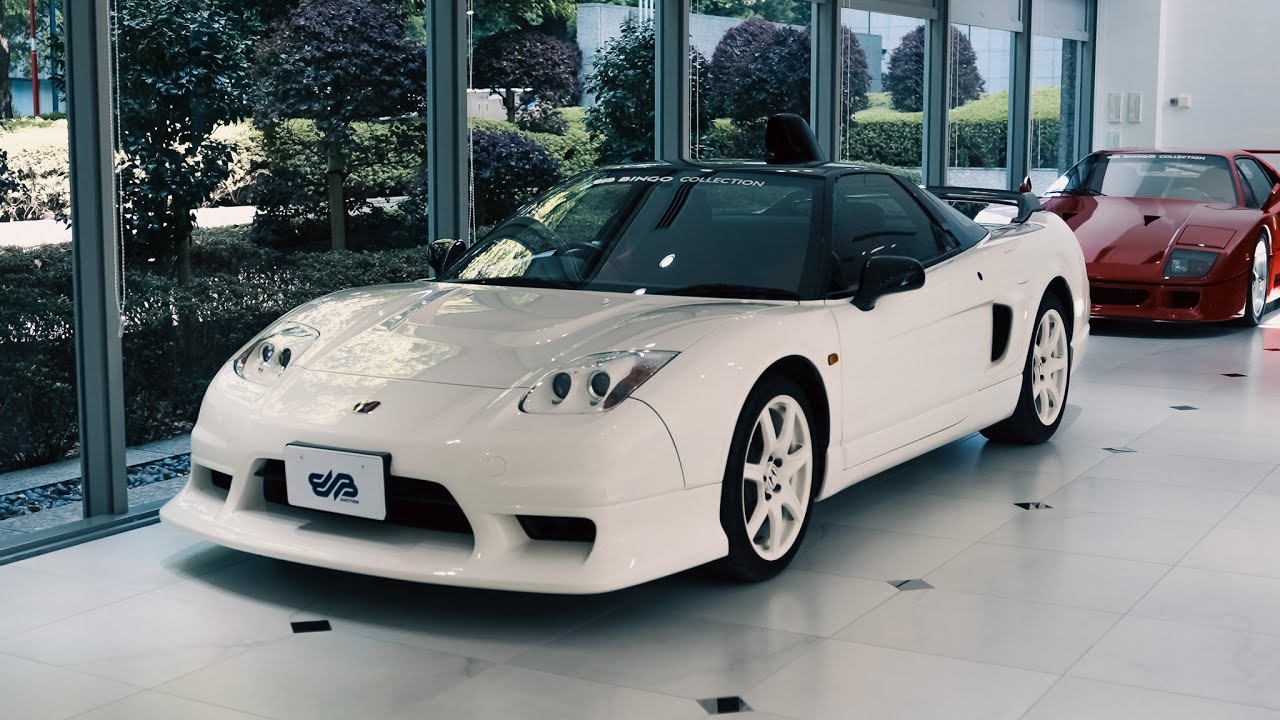
Honda built quite a few limited-edition versions of the NSX during its years in production. The 2005 Honda NSX-R GT is definitely among the coolest. Honda built it as a homologation special so they could race (and win) the Super GT championship, so only five cars were produced, and just one was sold.
At the front, the NSX-R GT has an extended carbon fiber nose with larger intakes and a front splitter. Moving to the back, there’s a spoiler under the wing, the carbon fiber rear bumper and apron are extended, and there’s a large diffuser in the middle. Perhaps the most eye-catching feature is the massive snorkel, which isn’t actually functional on the road car.
Nissan Fairlady Z432
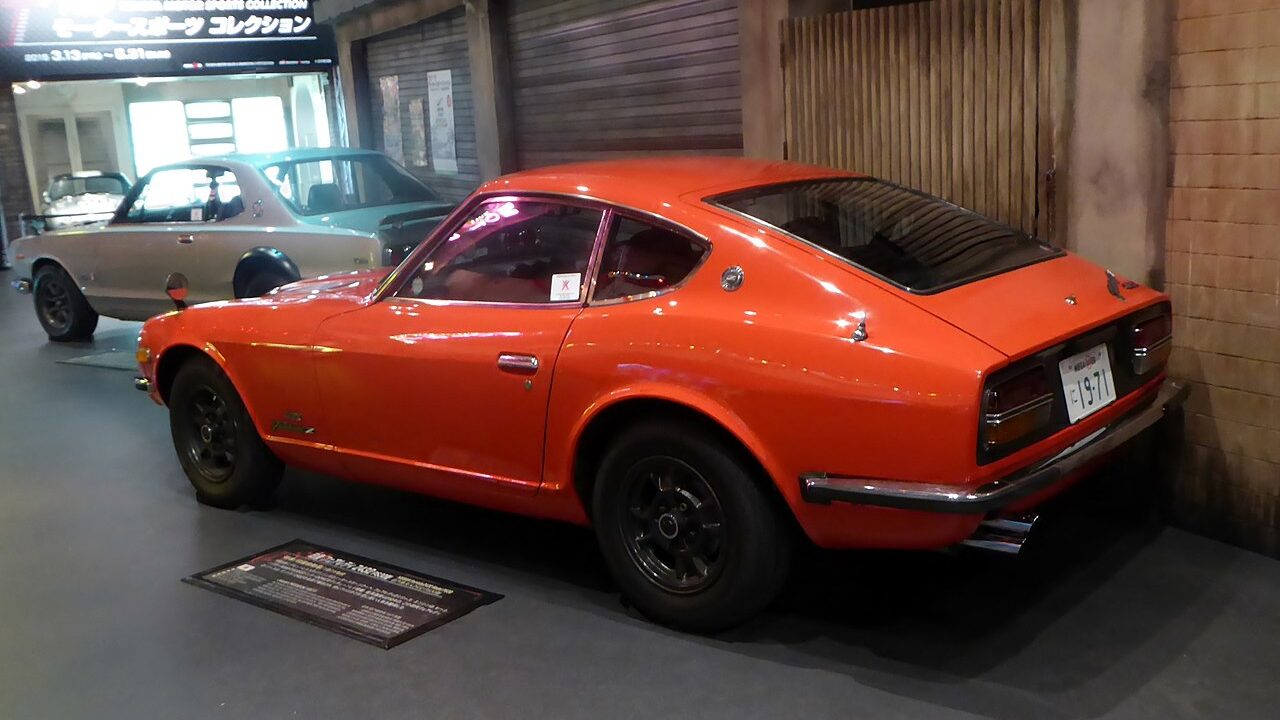
When Nissan released the 240Z, it changed the sports car world forever. In Japan, the 240Z was sold as the Fairlady Z, and it didn’t take long before Nissan decided the sports car needed a more potent engine. Enter the Fairlady Z432.
The Fairlady Z432 had the Skyline GT-R’s 2.0-liter twin-cam, triple-carburetor engine that produced 160 horsepower. Around 420 Z432 cars were built, and there was also a homologation special, of which 50 were built, all of them painted orange with a matte black hood.
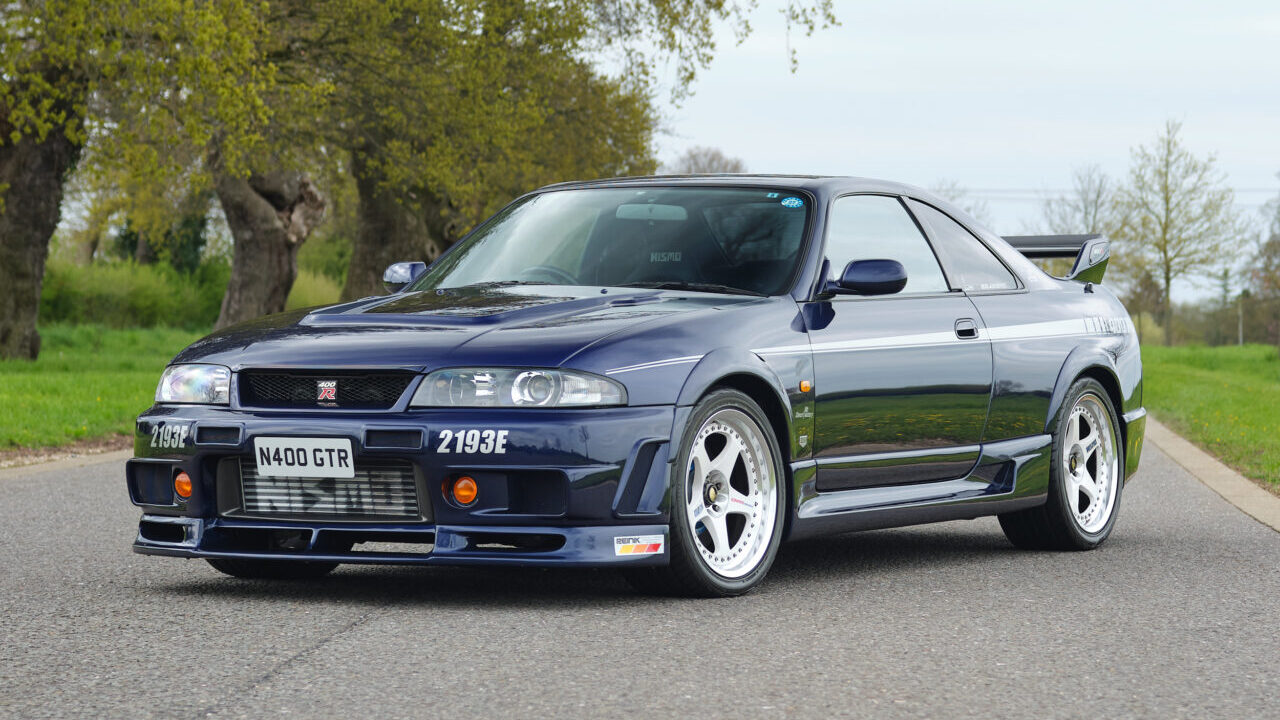
Nissan Skyline GT-R NISMO 400R
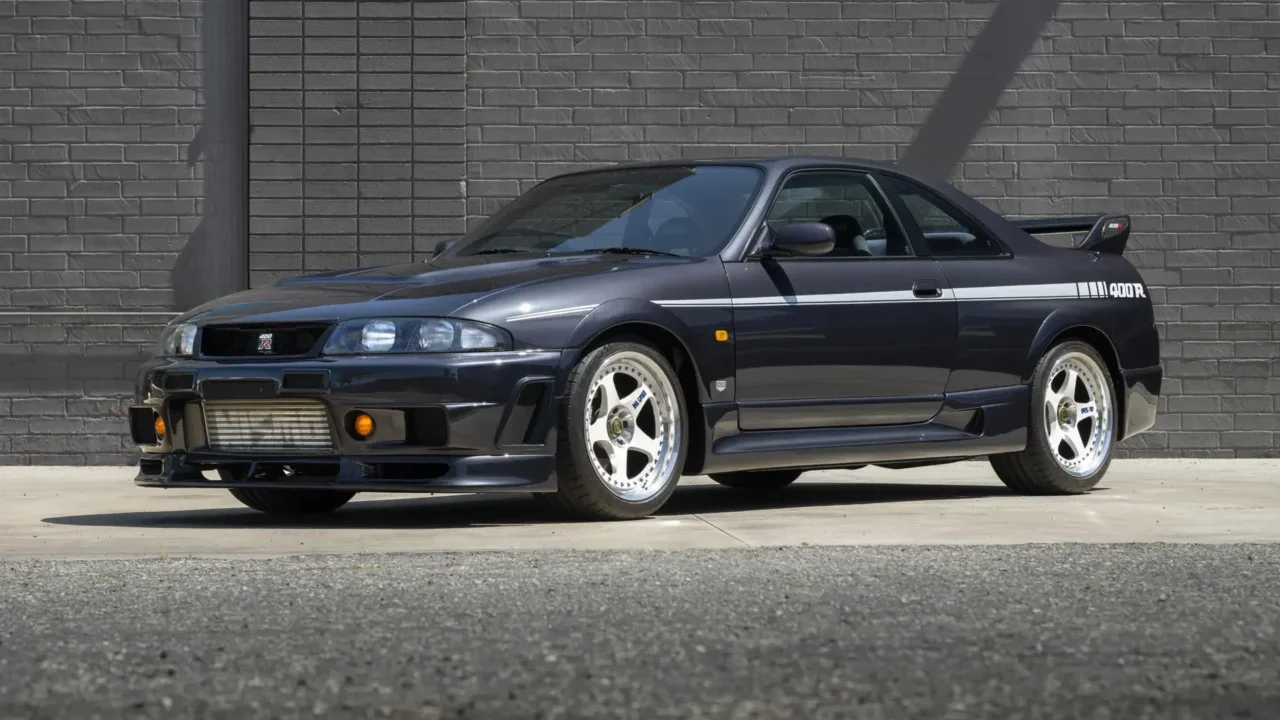
The R33 Skyline GT-R may not be as iconic as the R32 and R34, but it’s still an amazing machine. That’s especially true for the NISMO-developed 400R version. It’s the most powerful factory-tuned R33 GT-R, and you may have guessed that it packs 400 horsepower.
The power increase was partly achieved thanks to the RB26DETT engine growing from 2.6 to 2.8 liters. All that power also made the 400R rather quick. It would reach 60 mph from a standstill in just four seconds and had a top speed of 186 mph. Nissan originally intended to build 100 cars, but when the R33’s production ended, they’d only built 44.
Honda NSX Type R

Not to be confused with the NSX-R GT we mentioned earlier, the Honda NSX Type R is another track-focused version of the Japanese mid-engined sports car. Honda mainly focused on reducing weight and upgrading the suspension with the Type R.
This is a proper track weapon, so you won’t find any creature comforts. In fact, anything that didn’t make it faster around the track was removed, including the sound deadening, traction control, and air-con. The suspension has been stiffened up, and Honda played around with the gear ratio to improve acceleration.
Mitsubishi Galant AMG
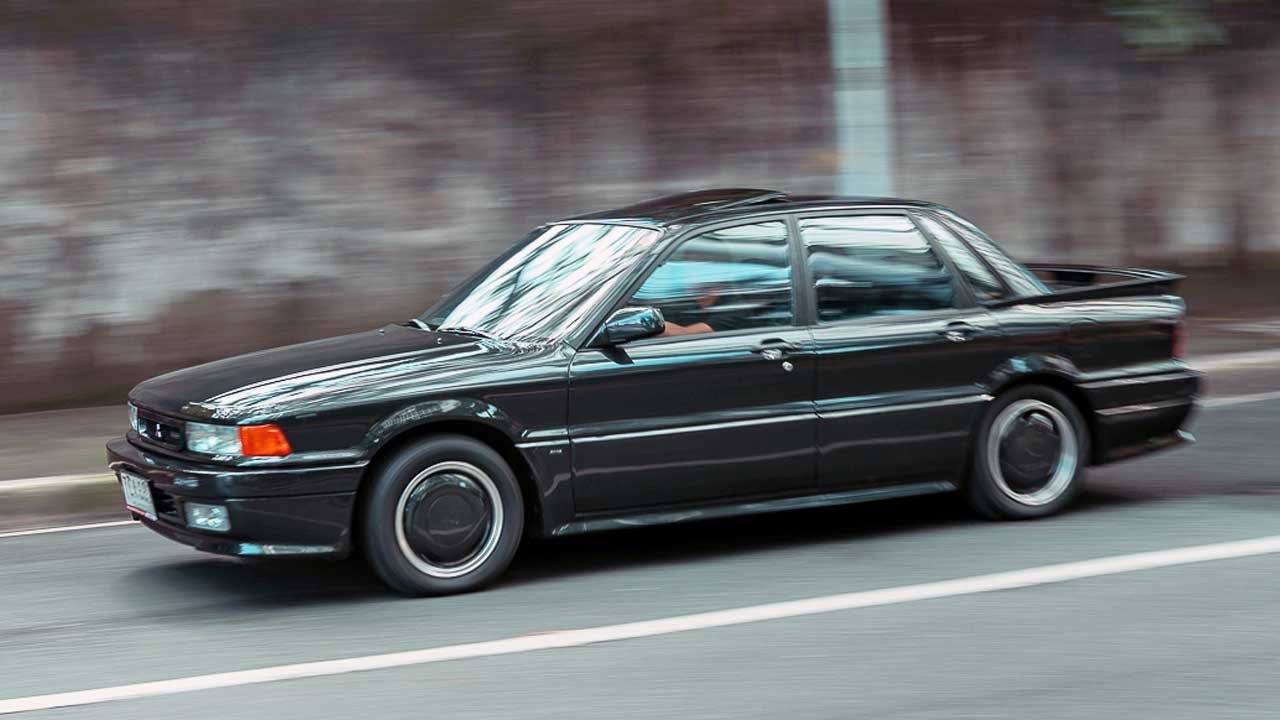
AMG is the performance division of Mercedes-Benz, but before 1999, it was a separate company, which is why an AMG Mitsubishi could exist. The 1989 Galant AMG wasn’t the first time these two companies worked together – they’d also created the Mitsubishi Debonaire AMG two years prior.
The Mitsubishi Galant AMG limited edition was based on the GTi-16v model. It received some mild engine upgrades, taking power to 168 horses, a unique body kit, different wheels, and a leather interior. Only 500 AMG Galants were built, and they were sold exclusively in Japan.
Nissan NISMO 380 RS
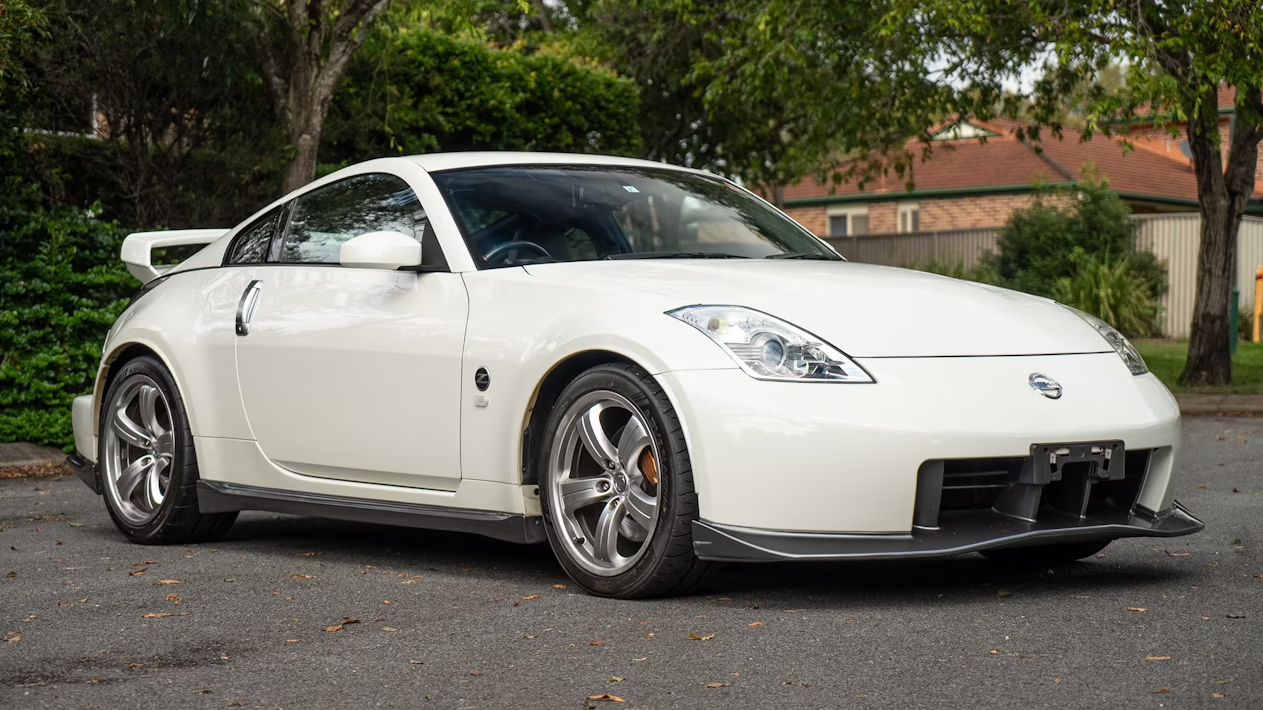
After winning the 2007 Japanese Super Taicyu Endurance Series, Nissan decided to celebrate by creating something very special. Nissan’s performance division, NISMO, got its hands on 300 road-going 350Z cars and stuffed the 3.8-liter racing engine under their hoods.
The engine was based on the VQ35HR unit found in the 350Z, but with most of the race engine’s internals. The NISMO 380 RS was also fitted with a unique aero package that improved downforce, it had forged RAYS wheels, upgraded Brembo brakes, among other upgrades.
Subaru WRX STI S208
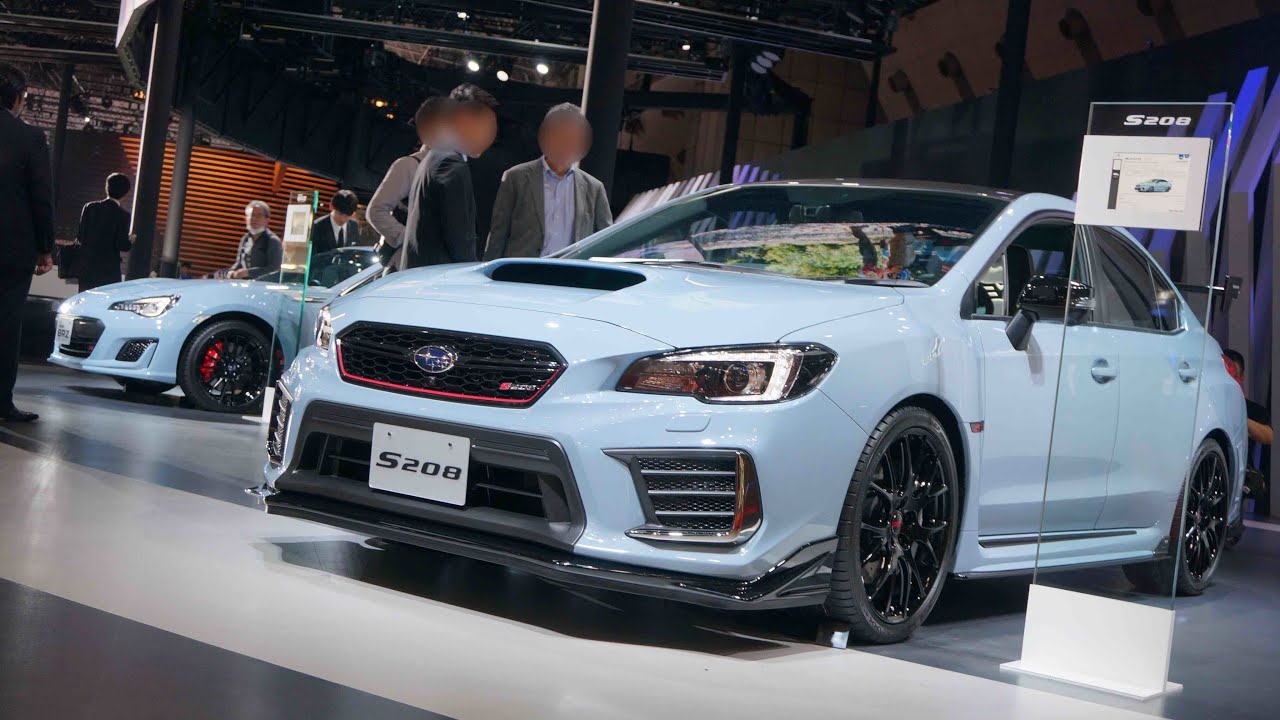
Subaru has built many special editions of the WRX over the years, and most of them were never made available outside the Japanese market. One such model is the 2018 Subaru WRX STI S208.
Subaru only built 450 S208s, all with upgraded Bilstein suspension, a quicker steering rack for improved handling, and the turbocharged 2.0-liter boxer unit now produced 324 horses. The roof, front splitter, and spoiler were made from carbon fiber, and the interior also received some upgrades to remind you it’s a special edition car.
Toyota Supra TRD 3000GT
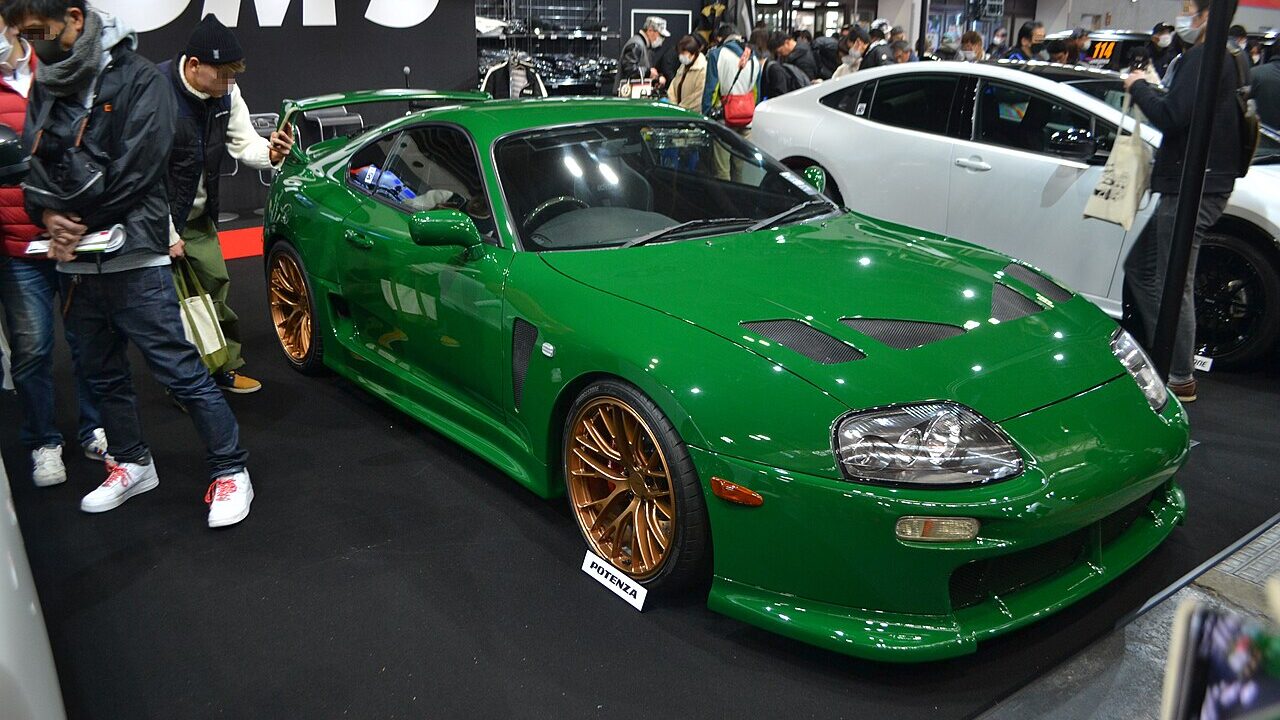
The Toyota A80 Supra has become one of the most idolized and sought-after Japanese cars ever. However, as good as it is, it can’t match the limited edition TRD 3000GT that was revealed in 1994 when Toyota entered the Supra into the Japanese Grand Touring Championship.
The TRD 3000GT had plenty of upgrades compared to the standard Supra, including a much wider body, huge wing, and upgraded suspension. Unlike most of the cars on this list, the TRD 3000GT is not a factory-built model, instead, it was a dealer-option, TRD-installed conversion package.
Nissan Skyline GTR Nismo Z-Tune
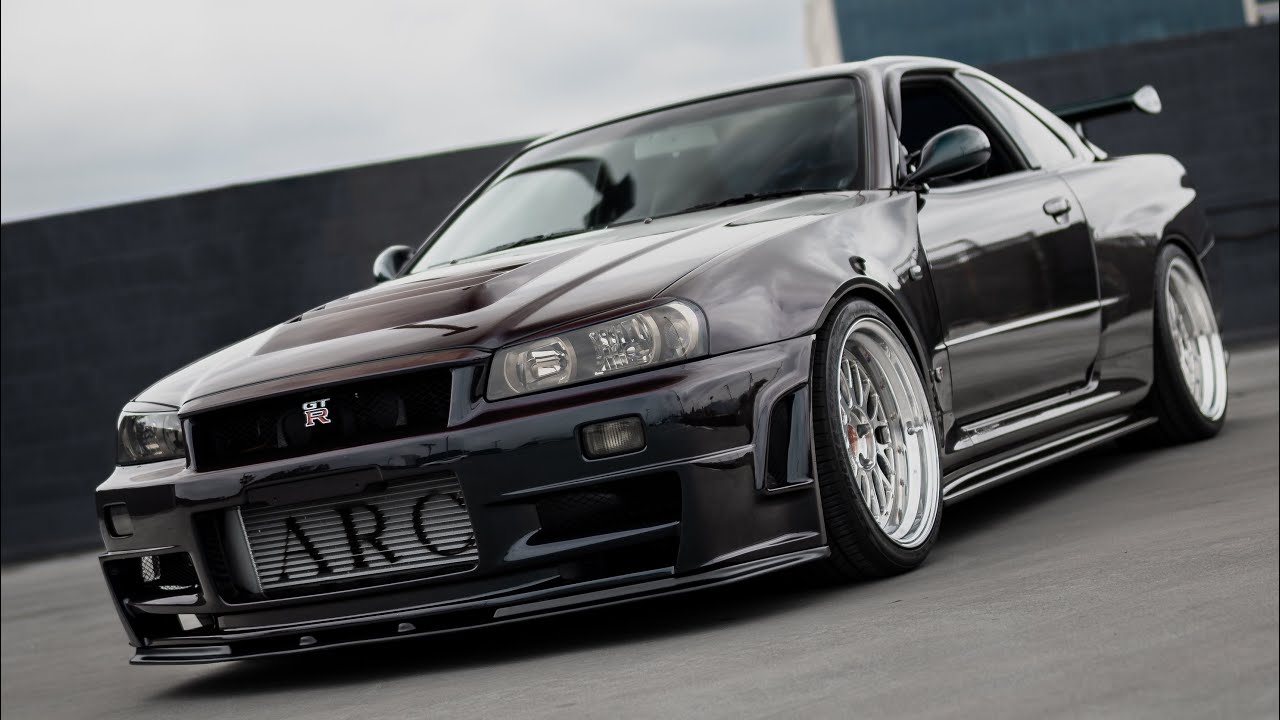
There are many highly desirable special edition Nissan Skyline GT-Rs, but few are as rare and sought-after as the NISMO Z-Tune. As the R34 GT-R’s production was nearing its end, NISMO wanted to celebrate the car’s legacy.
Instead of using brand-new cars, NISMO bought 20 lightly used R34 Skyline GT-R V-Spec cars, stripped them down, and rebuilt them better than they’d ever been. The Z-Tune received carbon fiber bodywork, aggressive aero, upgraded Sachs suspension, and improved Brembo brakes. The engine was also given some TLC, and produced 493 horsepower, making it one of the most powerful JDM cars of its era.

Nissan Sileighty
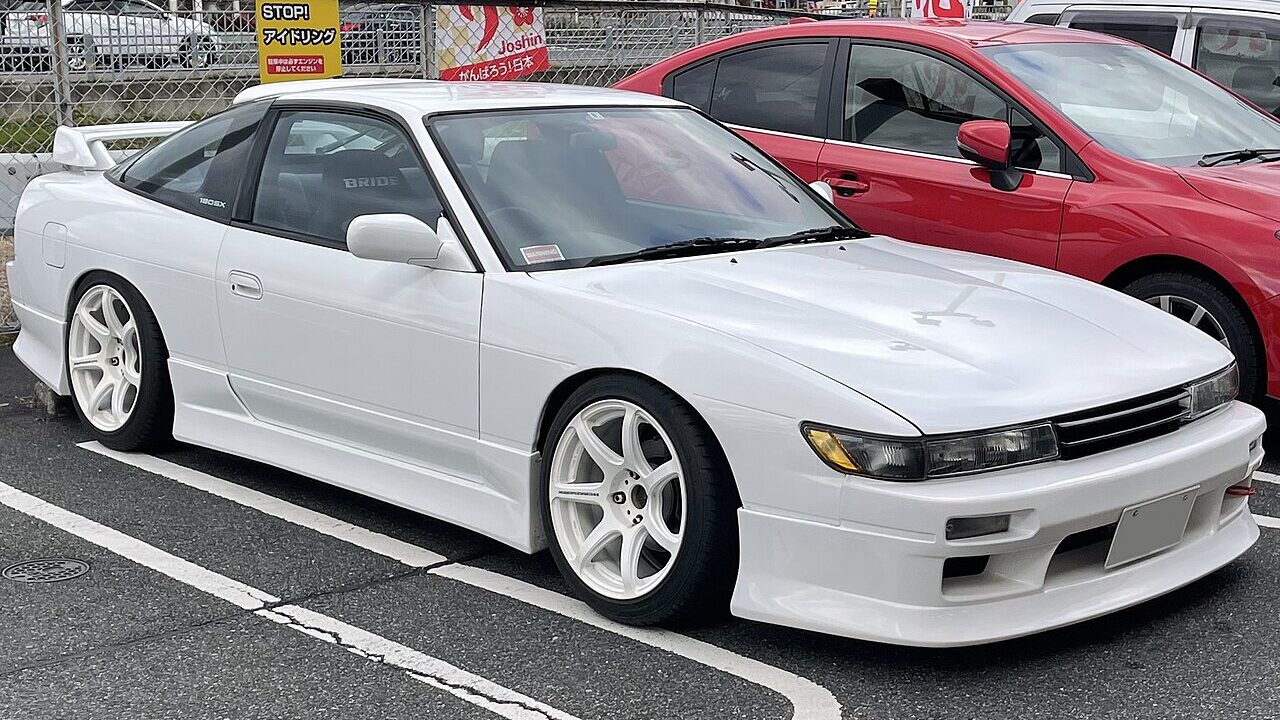
The Nissan Sileighty, or Sil80, is a mix between the Nissan Silvia and 180SX where the Silvia’s front end is fitted to the 180SX. It came about in the late 1980s as the 180SX was the car of choice for drifters, and when they crashed, the Silvia parts were cheaper.
Kids-Heart, a Japanese tuning company, contacted some Nissan dealerships and asked if they wanted to sell a ready-made conversion. In total, around 500 official Sileighty models were planned, but no one knows how many were actually built; plus, there are also many homemade Sileighty cars.
Subaru WRX STi S207
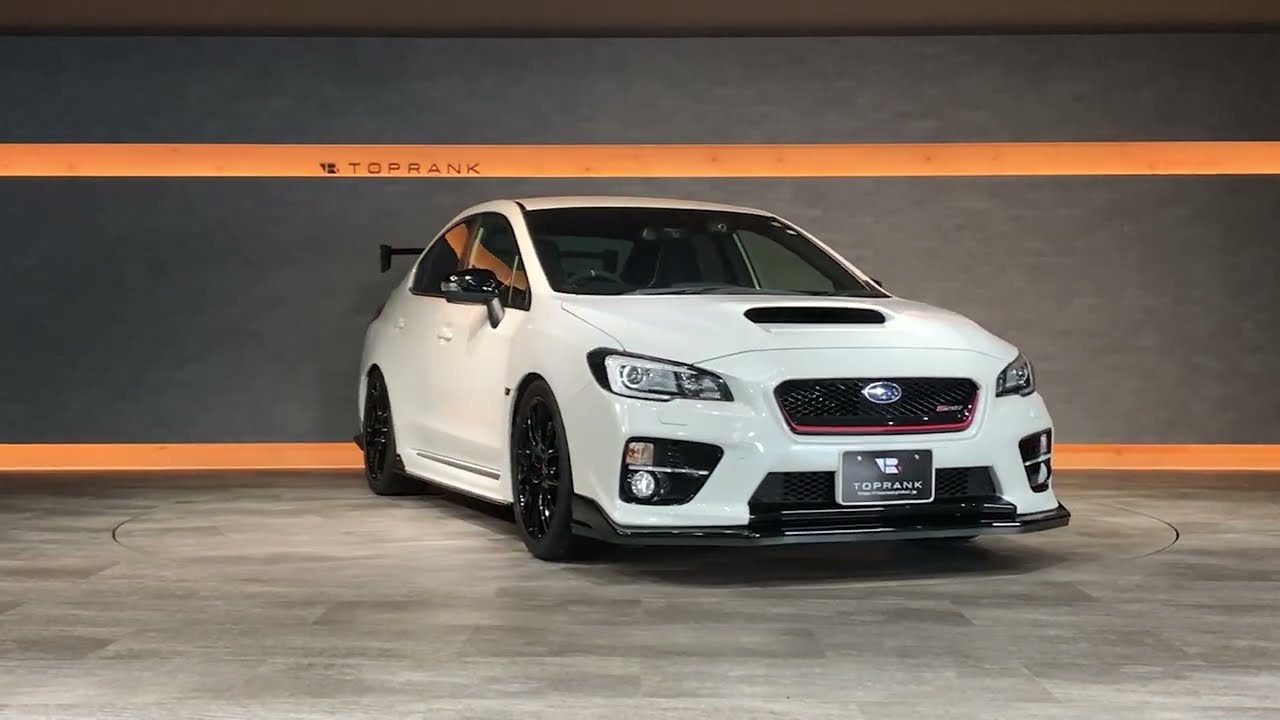
The S207 is another awesome S-line Subaru that’s forbidden fruit outside the land of the rising sun. Only 400 were made, 200 with the NBR Challenge Package, which included a badge commemorating the carmaker’s class win at the 2015 Nürburgring 24 hours and a carbon-fiber rear spoiler. Of those NBR cars, 100 were offered in Sunrise Yellow paint.
There’s more to the Subaru WRX STi S207 than just a fancy paint job and some badges, though. It had a quicker steering rack, STI-tuned Bilstein suspension, and six-piston Brembo brakes, and the engine churned out 323 horsepower.
Mazda RX-7 FD Spirit R
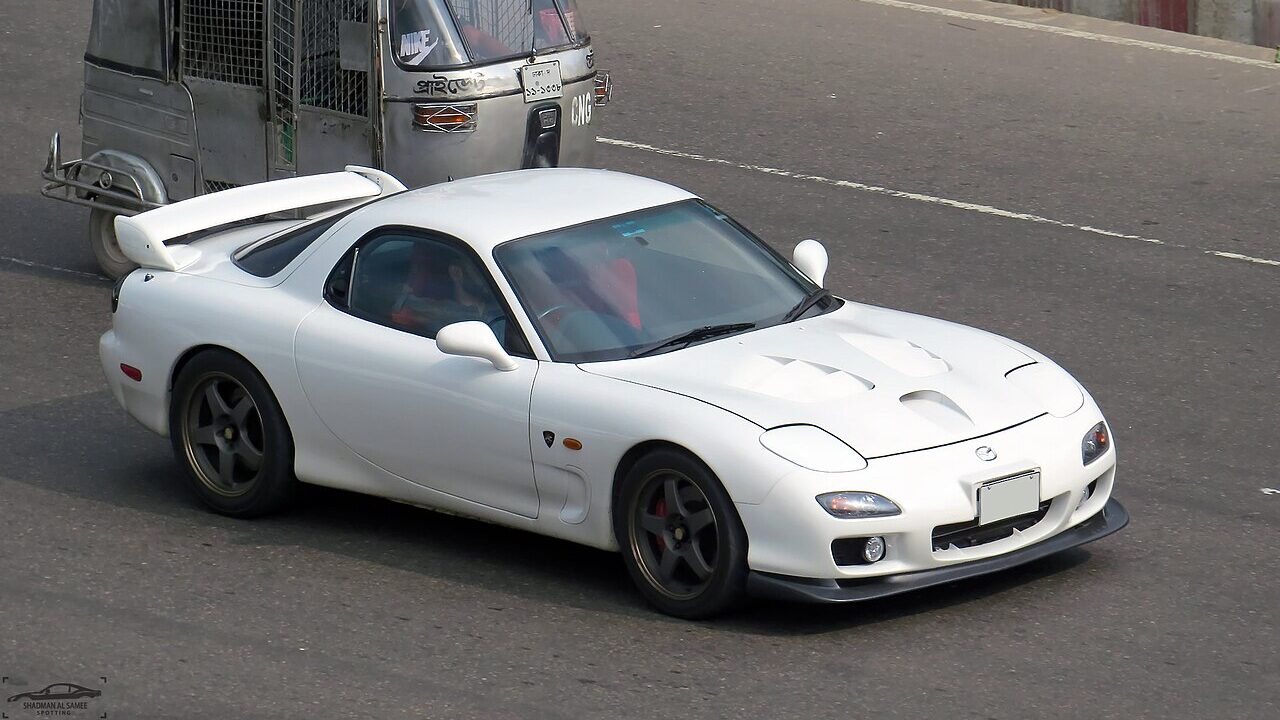
The last-generation Mazda RX-7 was only sold in the States from 1992 to 1995, but in Japan it was available until 2002. To celebrate the legendary rotary-powered car’s decade-long run, Mazda decided to do something special for the final 1,500 cars – the Spirit R editions.
The Spirit R is the most sought-after RX-7, combining all the good stuff from the previous special edition models into one very attractive driver-focused package, making it the ultimate RX-7.
FD2 Honda Civic Mugen RR
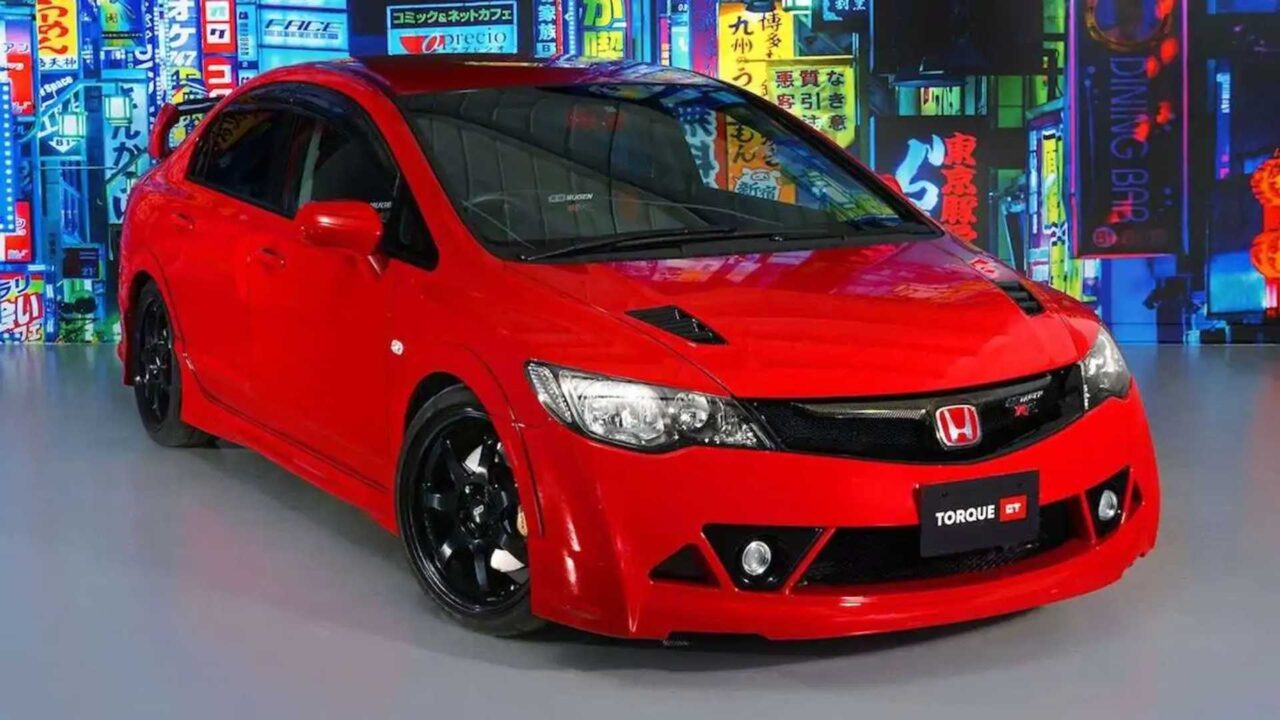
As if the regular Civic Type R wasn’t special enough, Mugen took 300 cars and turned everything up to 11, when it created the Honda Civic Mugen RR. It was only available in Milano Red and was exclusively available on the Japanese market.
The Mugen RR had carbon fiber bumpers and an aluminum hood to reduce weight, the engine was given various Mugen performance parts to increase power to 237 horses, and the interior received some exclusive upgrades.
NB Mazda MX-5 Coupe
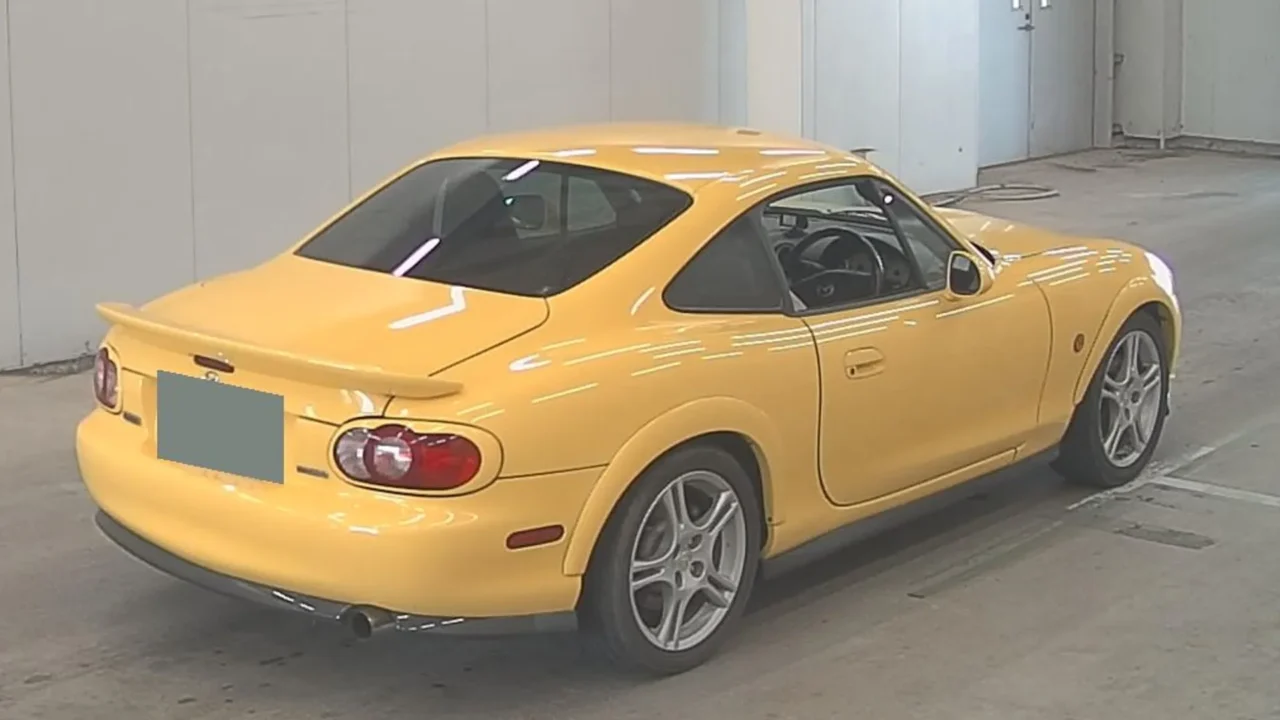
Mazda released the first MX-5 (or Miata) in 1989, and the Mazda Engineering and Technology division kept playing around with the idea of a coupe version. There was a one-off concept based on the first-gen car, but in 2003, Mazda finally built it.
The MX-5 Coupe was based on the second-generation car, and the steel roof was a structural part of the car. Mazda even managed to keep the weight down, so the coupe only weighed 22 lbs more than the roadster.
Toyota MR2 TRD2000GT
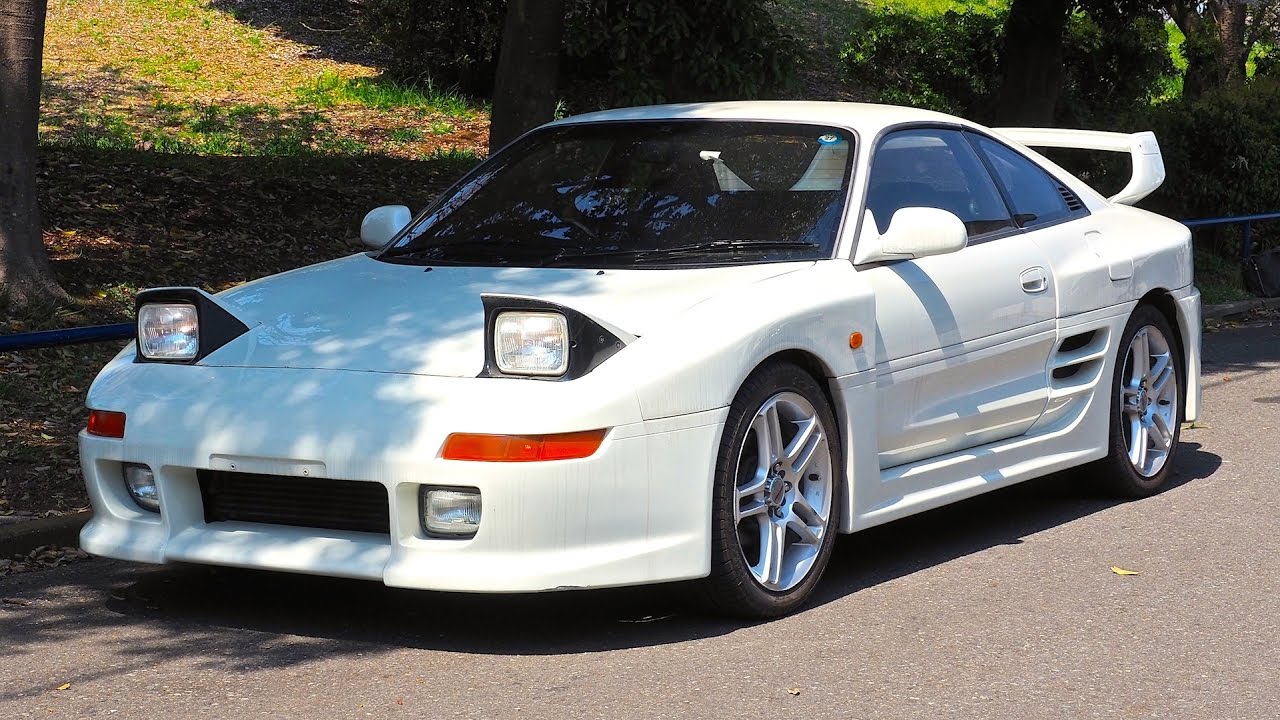
Like the Supra-based TRD 3000GT, the 2000GT was built to pay homage to Toyota’s racing program. Toyota Racing Development offered an official conversion in 1998, consisting of a widebody kit and engine tuning.
Customers could choose the engine, suspension, wheel, and interior upgrades their cars should fitted with, so no two TRD2000GT MR2s are identical. One was given a 500-horsepower engine, while others received only a few performance parts. The body kit was made from lightweight fiberglass, and each car was re-classified as a new car with a specially numbered TRD VIN plate.
WRX STI TC380
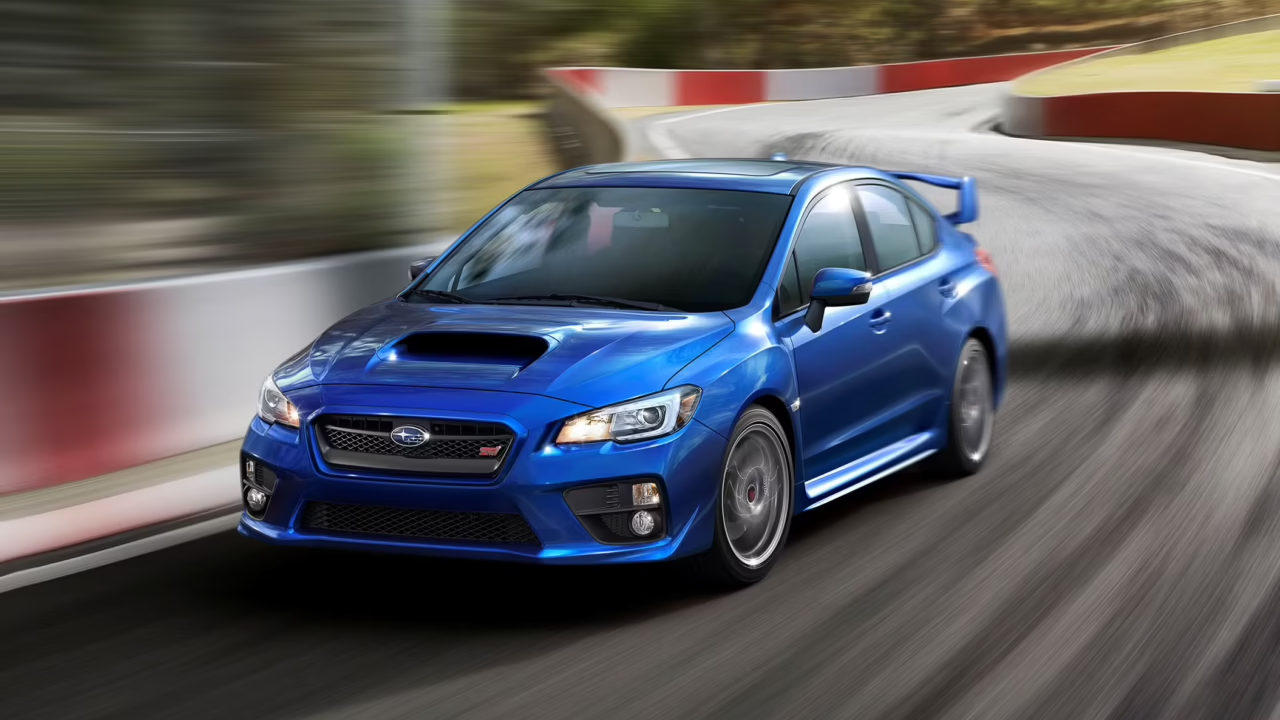
The JDM-only Subaru WRX STI TC380 has a turbocharged 2.0-liter EJ20 boxer engine, but with 380 horsepower, it had more power than most Imprezas.
Whereas the regular STI had IHI turbochargers, Japanese tuning company and aftermarket specialist HKS supplied the turbos for the TC380. It was the final celebration of the fourth-generation WRX STI, and Subaru only built 50 cars.
Did you like this article?
Make sure you follow us on Facebook for more builds, guides, and car culture content.

