





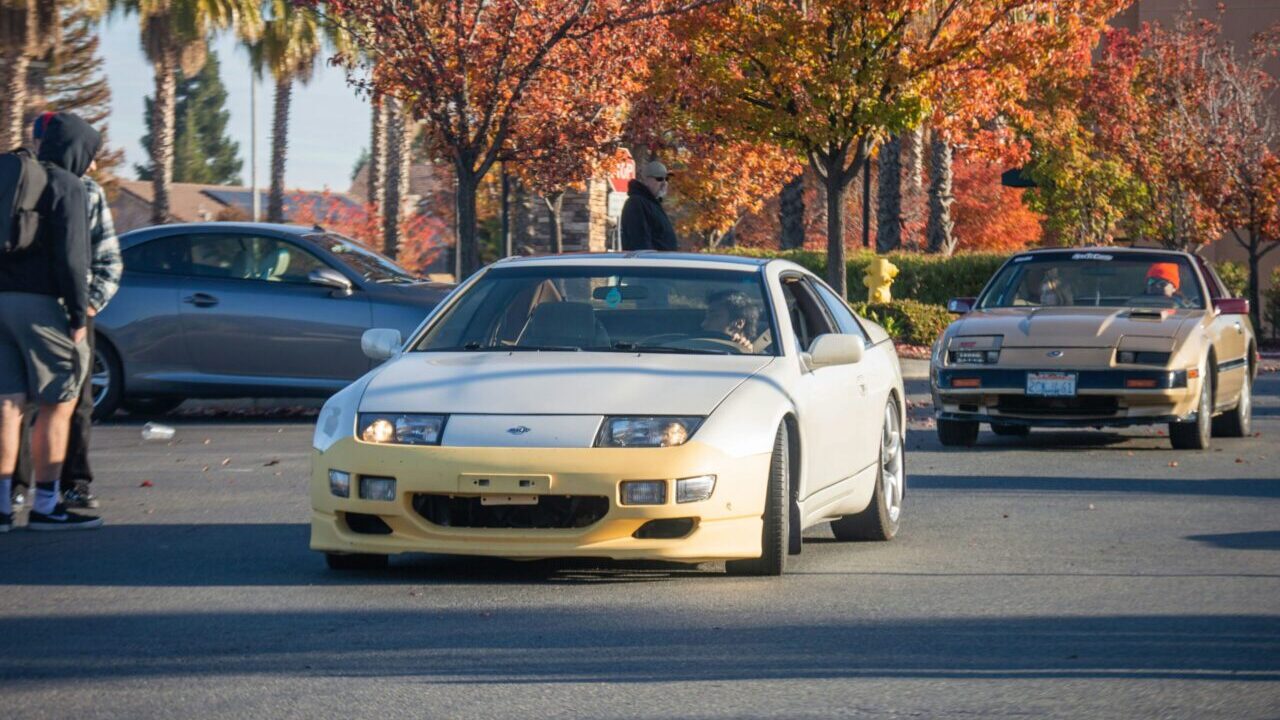
Few cars define the golden age of Japanese performance quite like the Nissan 300ZX. Coming from an era of economic optimism, technological ambition, and highway battles on the Wangan, the 300ZX became a wedge-shaped, twin-turbocharged, four-wheel-steering symbol of what Japan could build when it didn’t care about budgets or bean counters.
Across two generations, the 300ZX evolved from a sharp-edged grand tourer into one of the most sophisticated performance machines of the 1990s. Beloved by tuners, feared by rivals, and immortalized in manga, video games, and midnight street racing, the Z32 Nissan 300ZX is now regarded as one of Nissan’s most important creations.
This is the full story of the 300ZX — its rise, its cultural imprint, and why it remains a cornerstone of Japanese performance history.
The Z-Car Legacy Reaches a New Era
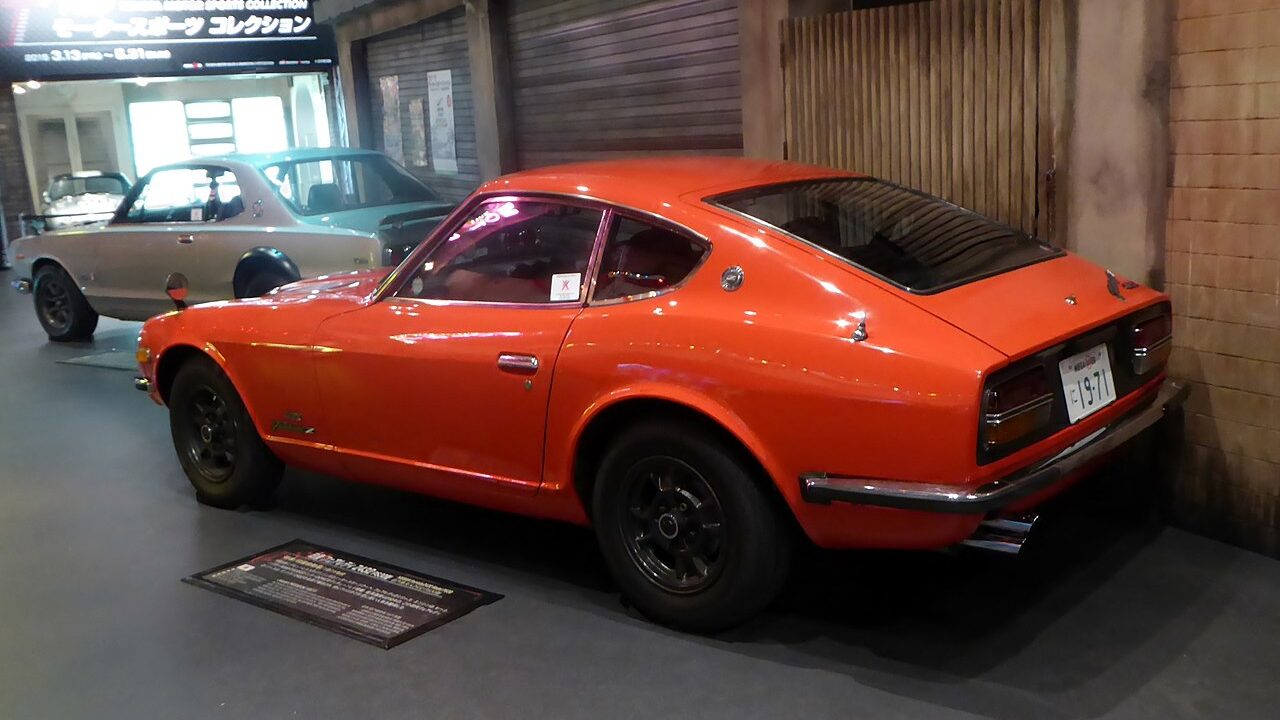
When the first Fairlady Z (240Z) arrived in 1969, it shocked the world. Here was a handsome, lightweight sports car that blended European charisma with Japanese reliability, and to top it off, it had a price tag that embarrassed its British, German, and Italian rivals. Obviously, it didn’t take Nissan long to realize it had something special on its hands.
By the time the 1980s rolled around, the Z-car had evolved into the 280ZX, an uglier, if more comfortable grand tourer, that appealed to America’s love for plush interiors and digital dashboards. However, the world was changing. Turbocharging was taking off, and Japan’s automotive industry was entering its most experimental era. Nissan wanted the next Z to usher in a new chapter, one that could blend supercar performance with emerging technologies.
And so, in late 1983, the Nissan 300ZX Z31 was born.
Z31: The First 300ZX
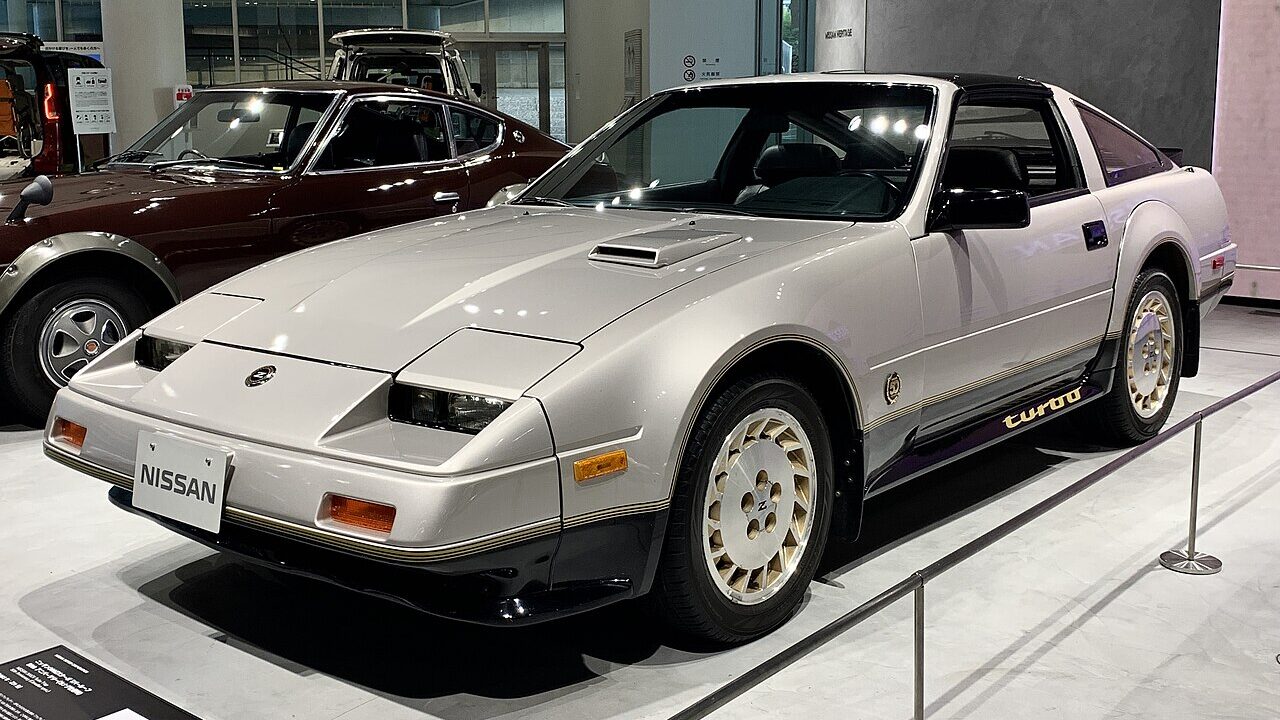
The Z31 had a simple mission: bring the Z-car into the future. The iconic straight-six was gone; in its place, Nissan debuted the new VG-series V6 engine. It was smoother, more compact, and designed to carry the brand through the next decade.
Visually, the car screamed 1980s futurism. Folded-paper angles, pop-up headlights, digital displays, and a cockpit that looked like it came straight from a sci-fi anime. It was the era of “Body Sonic” seats that vibrated with the bass, a computerized female voice issuing warnings, and black-and-silver Turbo models that looked like stealth fighters.
Beneath all the theatrics was real performance. Nissan’s turbocharged VG30ET gave the Z31 serious credentials, and in markets like the U.S., the car sold extremely well. Street racers loved its torque and tunability. Grand touring fans appreciated its stability and refinement. And in Japan, the Z31 quietly began appearing in the late-night world of highway speed runs.
Still, the best was yet to come.
Z32: When Nissan Built a Japanese Supercar

When the Z32 300ZX arrived in 1989, it annihilated its predecessor in every way possible. Nissan’s engineers were told to build the best sports car they could, and for one brief moment in time, cost didn’t matter.
The result was nothing short of astonishing.
A Shape Born in a Supercomputer
The Z32 was sculpted using Cray-2 supercomputers, making it one of the first production cars shaped with advanced CAD modeling. Gone were the straight lines from a time when designers used rulers. The Z32 Nissan 300ZX had a low, wide, muscular body that looked every bit as exotic as contemporary Porsches and Ferraris.
A Twin-Turbocharged V6 With Endless Potential
Under the hood sat the VG30DETT — a 3.0-liter twin-turbo V6 that delivered blistering performance. With 300 horsepower (in U.S. spec) in stock form and a rush of boost that hit hard and early, the 300ZX could sprint from 0–60 in around five seconds. In 1989, this was nothing short of spectacular.
Exotic Technology Before “Exotic” Had a Price
The Z32 introduced a level of engineering that was usually reserved for high-end European machinery:
- Twin turbos with dual intercoolers
- Super HICAS four-wheel steering
- Multilink suspension front and rear
- Flush headlights inspired by Group C race cars
- A cockpit angled toward the driver like an F-16 fighter jet
The car was so sophisticated that even today, mechanics still talk about how tightly everything is packaged. It’s a badge of honor among Z32 owners to say, “If you can work on one of these, you can work on anything.”
It didn’t take long before the world took notice. Car and Driver put it on their “10 Best” list for seven consecutive years. Enthusiasts lined up to buy them. In short, Nissan had built a masterpiece.
Street Legends: The 300ZX on the Wangan

To understand the 300ZX’s cultural significance, you have to go to one place:
The Wangan.
Japan’s Bayshore Route, a long, fast, shimmering stretch of highway connecting Tokyo and Yokohama, became the battleground for Japan’s most elite underground street racers. Speeds regularly exceeded 200 mph. The heroes of this world were members of the infamous Mid Night Club, a society of racers whose cars and skills were as legendary as their strict code of honor.
While the RX-7 and Porsche 930 were kings of the club, the 300ZX, particularly the Z32 Twin Turbo, earned enormous respect. Its stability at high speed, sleek aerodynamics, and plenty of turbo power made it a natural fit for long, sustained top-speed runs.
Highly modified Zs with upgraded turbos, reinforced cooling systems, and aerodynamic tweaks became staples of late-night battles on the Wangan. Tuners like Revolfe, JUN, Border Racing, and VeilSide turned the 300ZX into a highway beast capable of 200+ mph top speed runs.
The 300ZX’s wide, low silhouette soon became part of the Wangan expressway’s visual identity.
Why Tuners Love the Z32 Nissan 300ZX
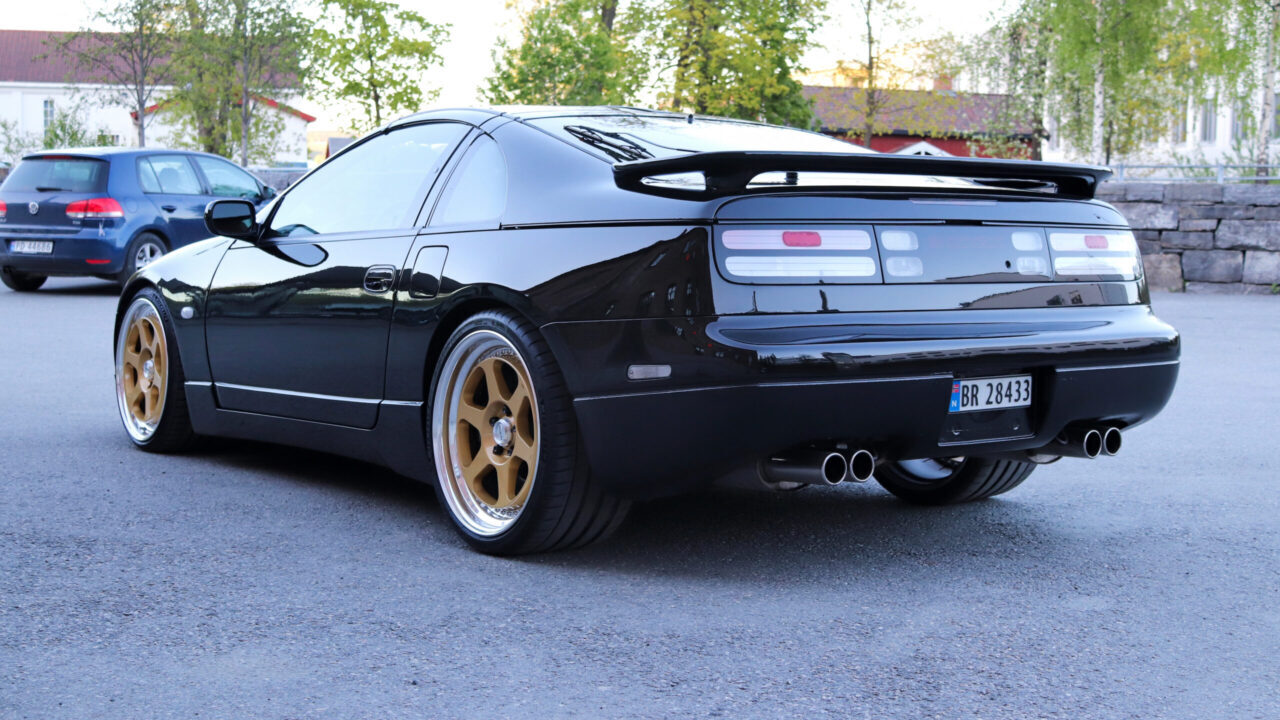
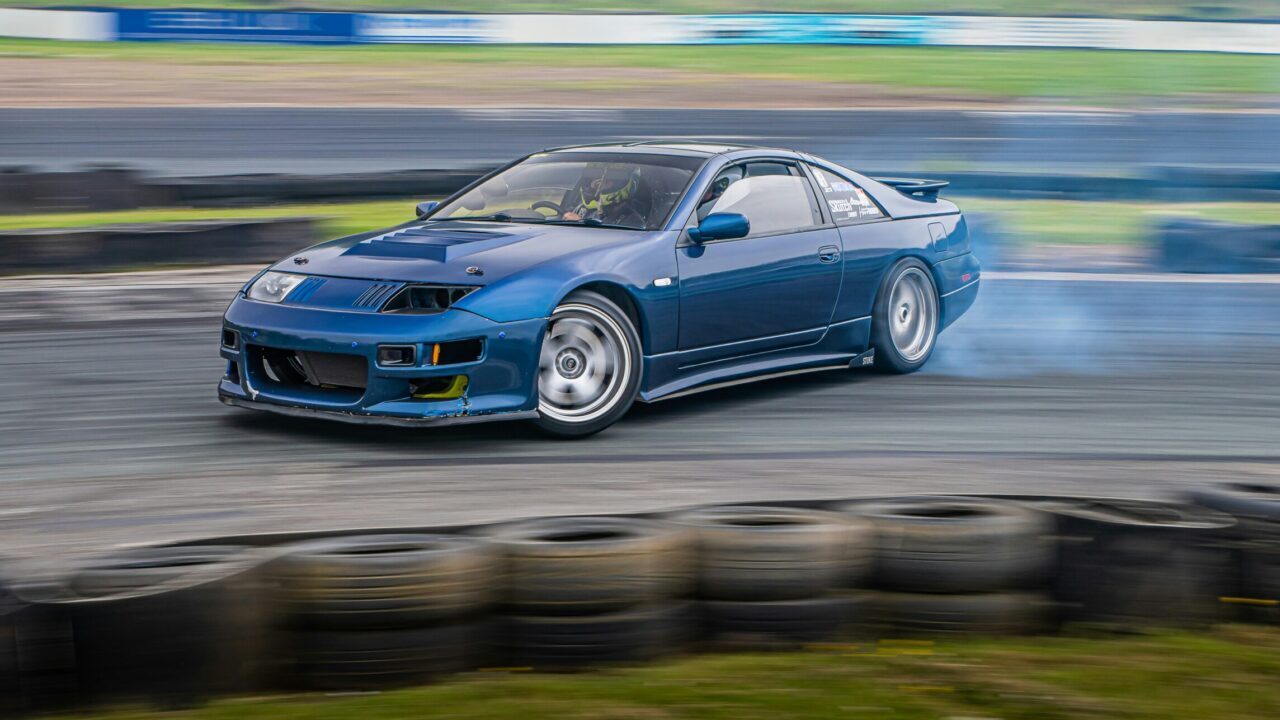
Even today, the 300ZX holds a special place among tuners and JDM fans. If you want to extract more power from your car, make sure you check out our Nissan 300ZX tuning guide.
The VG30DETT is a Beast in the Right Hands
With forged internals and stout construction, the twin-turbo V6 responds incredibly well to upgrades:
- Bigger turbos
- Front-mount intercoolers
- Standalone ECUs
- Enlarged injectors
- Strengthened fuel systems
400–500 hp is easy. 600–800 hp is achievable. 1,000+ hp? It’s harder, but doable, and plenty of tuners have done it.
A Chassis That Loves Power
The Z32’s wide track, low center of gravity, and multilink suspension give it a planted, almost GT-R-like feel at speed. Add modern coilovers, wider wheels, and upgraded brakes, and the car becomes a serious track weapon.
Styling That Never Gets Old
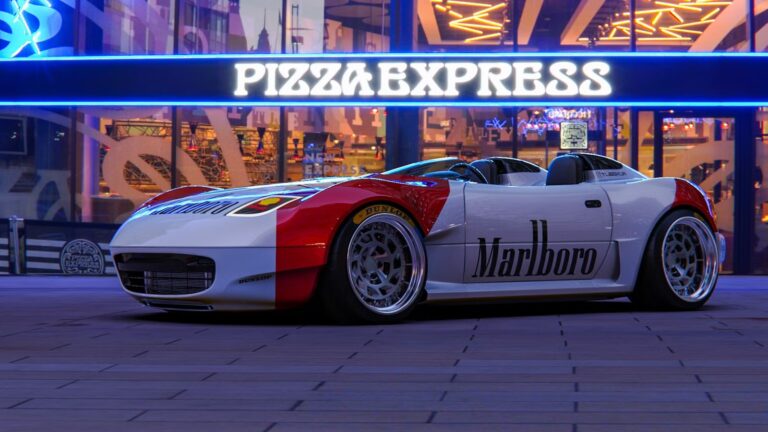
The 300ZX is one of those rare cars that barely needs modification to look exotic. That said, the aftermarket stepped in anyway:
- VeilSide’s aggressive widebodies
- JUN and Stillen aero kits
- TwinZ Design modern updates
- Huge GT-style wings for Wangan runs
There’s a reason the Z32 appears at every major tuner show from Tokyo Auto Salon to SEMA: it looks incredible even 30+ years later. Check out our feature on Tor Håkon’s OEM+ Nissan 300ZX with around 400hp at the rear wheels.
The 300ZX in Film, Games, and Manga
While it never reached the pop-culture saturation of the Supra or Skyline GT-R, the 300ZX has still managed to quietly build a decent pop-culture resume.
Wangan Midnight
The Z32 appears repeatedly in the Wangan Midnight manga, anime, and video game series, often as a rival to the Blackbird Porsche or the Devil Z S30. In some adaptations, it even becomes a protagonist’s car, symbolizing a more modern evolution of the Z spirit.
Video Games
The Z32 has appeared in dozens of racing titles:
- Gran Turismo series
- Forza Motorsport and Horizon
- Midnight Club
- Tokyo Xtreme Racer
- Assetto Corsa mods
- Ridge Racer and Sega arcade racers
For many 90s kids, the 300ZX was one of the first Japanese sports cars they ever drove… digitally, that is.
Movies and TV
While not as common on the silver screen, the 300ZX’s distinctive shape pops up in:
- U.S. action films from the late 80s and early 90s
- Japanese dorama series
- Car-focused YouTube channels and documentaries celebrating JDM culture
It’s the car that people recognize immediately but can’t always name — “Oh yeah, that 90s Nissan. The cool one.”
The Nissan 300ZX’s Fall From Grace — And Why It’s Rising Again
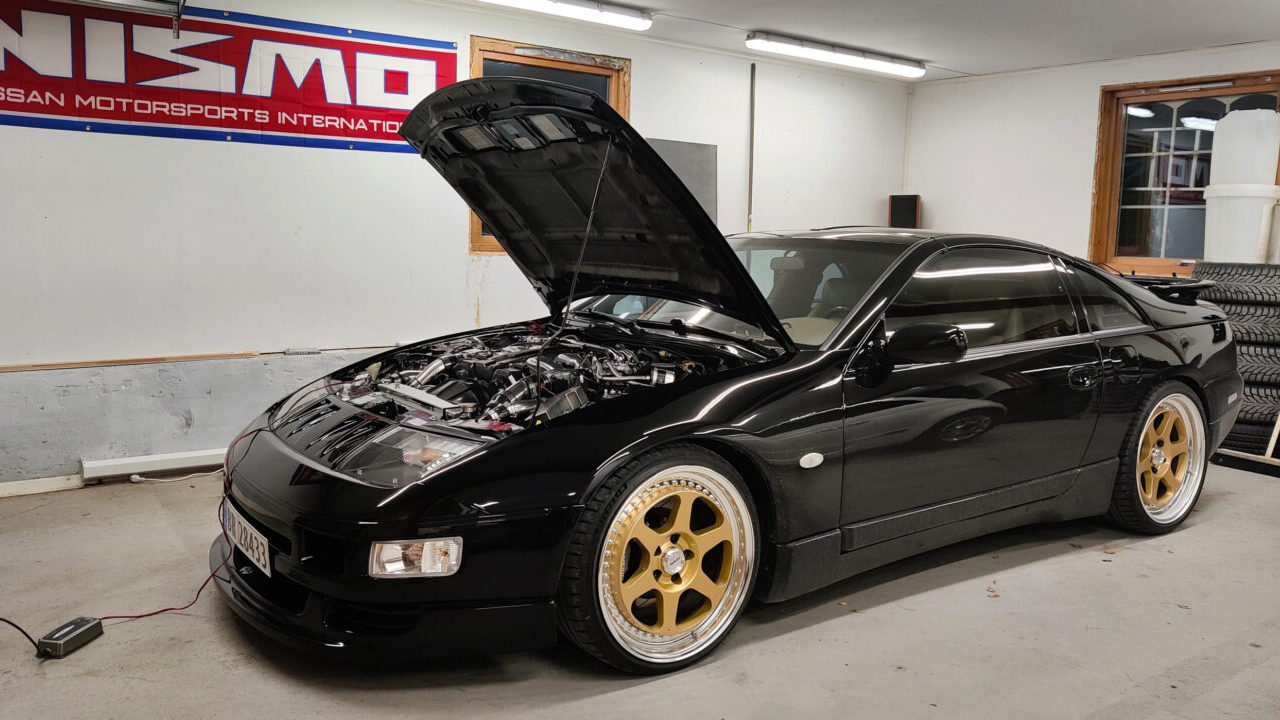
The Z32’s biggest strength was also its biggest weakness: complexity. As the 1990s wore on, the Japanese economy bubble burst. Nissan began bleeding money. Sports cars fell out of favor. The 300ZX was expensive to build, expensive to maintain, and expensive to buy.
By 1996, it had left the U.S. market. By 2000, production ended entirely. Fortunately, time has been kind.
Enthusiasts eventually rediscovered the 300ZX. Collectors realized how advanced it was for its era, and the tuning community kept the fire burning through decades of builds, swaps, and high-speed legends.
Today, the 300ZX, especially clean Twin Turbo models, is experiencing a surge in popularity. Prices are slowly, but surely, rising. Parts support is improving. And younger enthusiasts who grew up seeing the car in games are now reaching for the real thing.
Legacy: The Nissan 300ZX’s Place in Automotive History
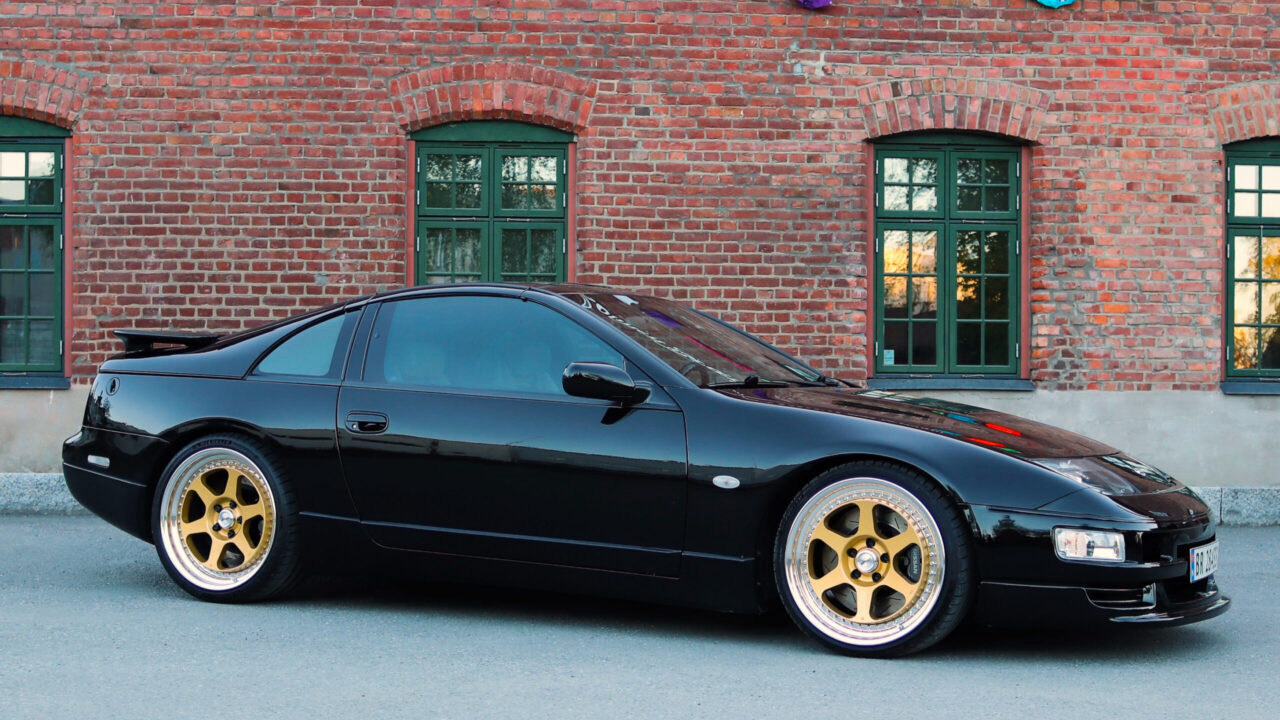
The 300ZX is one of Japan’s finest automotive achievements.
It Pushed Boundaries
Nissan treated the Z32 like a halo car, not a mass-market product. It introduced technologies that wouldn’t become mainstream until decades later.
It Was a Street-Racing Icon
Few cars are more intertwined with Japan’s underground performance culture, and the Z32 was highly respected for its speed and abilities.
It Balanced Beauty and Brawn
The 300ZX mixed exotic looks with a powerful punch, and was equally at home at a car meet, on a mountain pass, or flying down the Wangan.
It Kept the Z Spirit Alive
Without the 300ZX, we might never have gotten the 350Z, 370Z, or the modern Nissan Z. It carried the badge through one of the most important eras of Japanese performance.
The Timeless Allure of the 300ZX
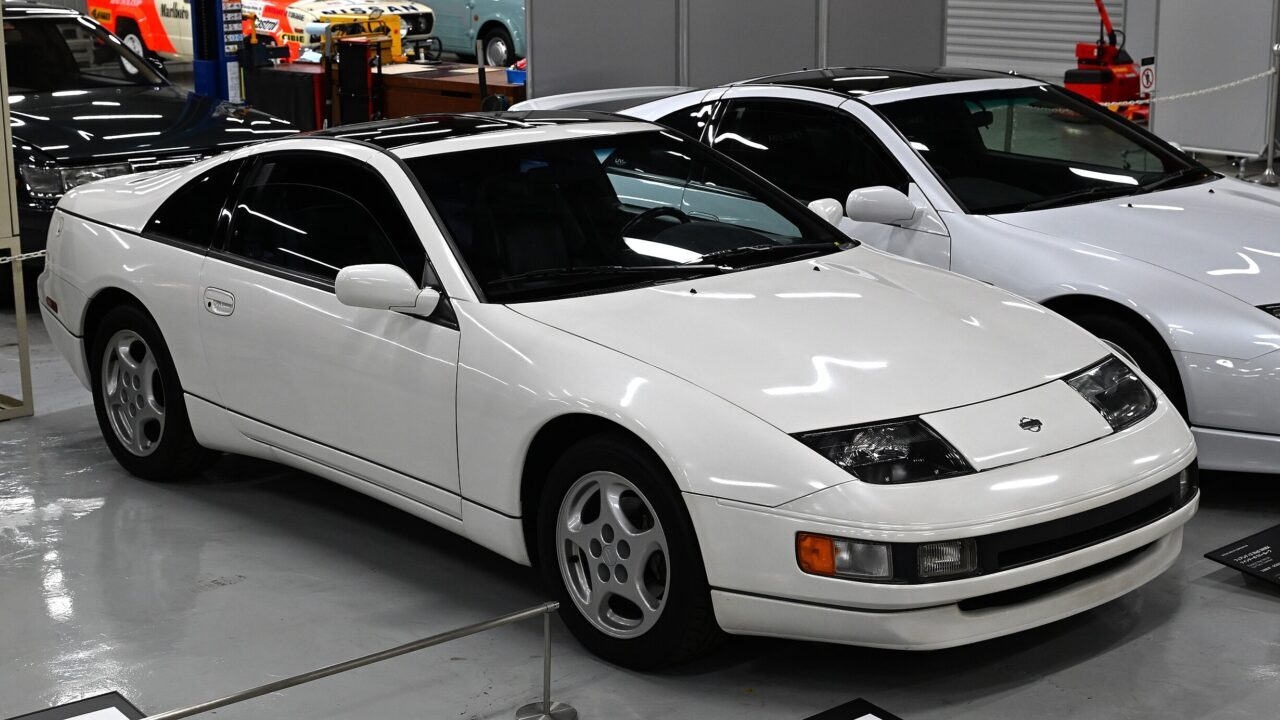
The Nissan 300ZX is a time capsule that shows off the most exciting era in Japanese automotive history. It represents a moment when Nissan refused to compromise, when engineers were allowed to dream, and when Japanese performance cars stood toe-to-toe with Europe’s best.
For enthusiasts, it’s a symbol of everything that made 80s and 90s Japanese engineering so special, not to mention its legendary status among street racers.
To this day, the 300ZX remains exactly what it always was: A brutally fast, beautifully engineered, endlessly charismatic machine that rewards the bold and punishes the unprepared. A true classic of the JDM world. Make sure you check out our 300ZX buyers’ guide if you want your own piece of Japanese sports car history.
Did you like this article?
Make sure you follow us on Facebook for more builds, guides, and car culture content.

